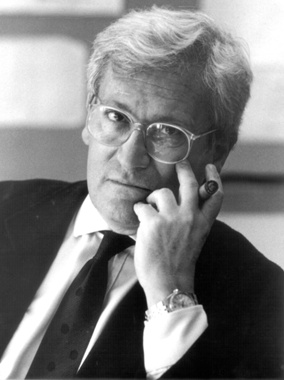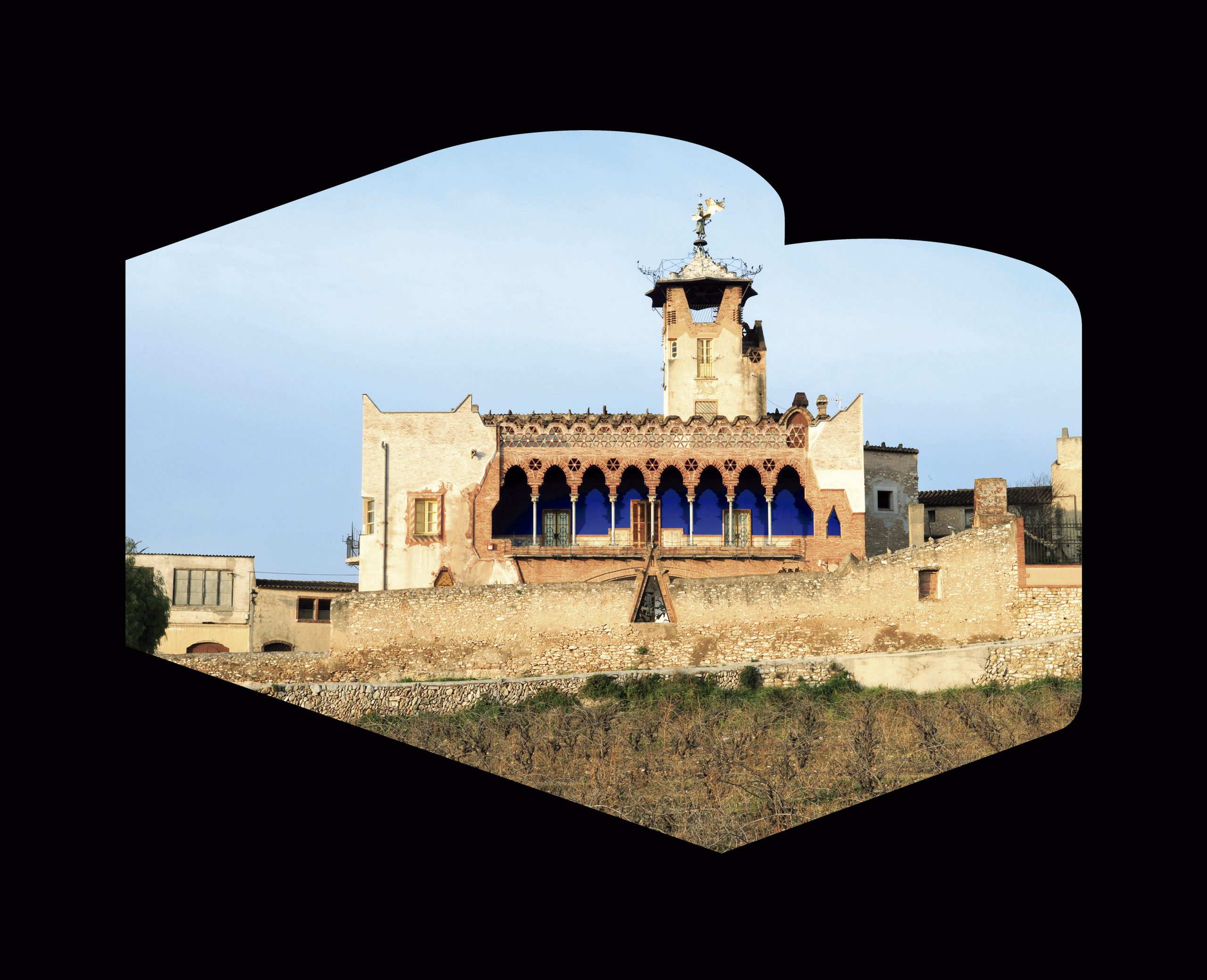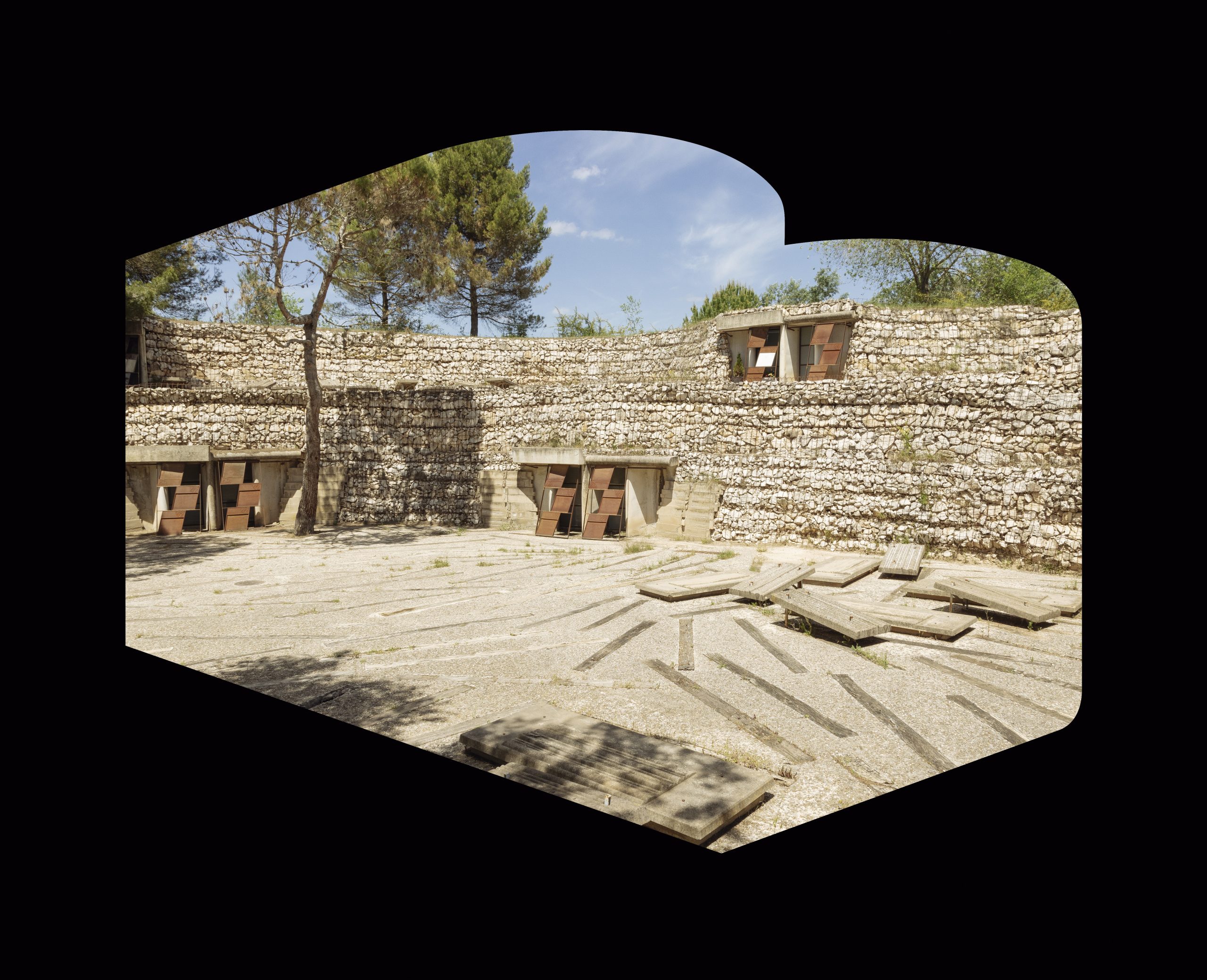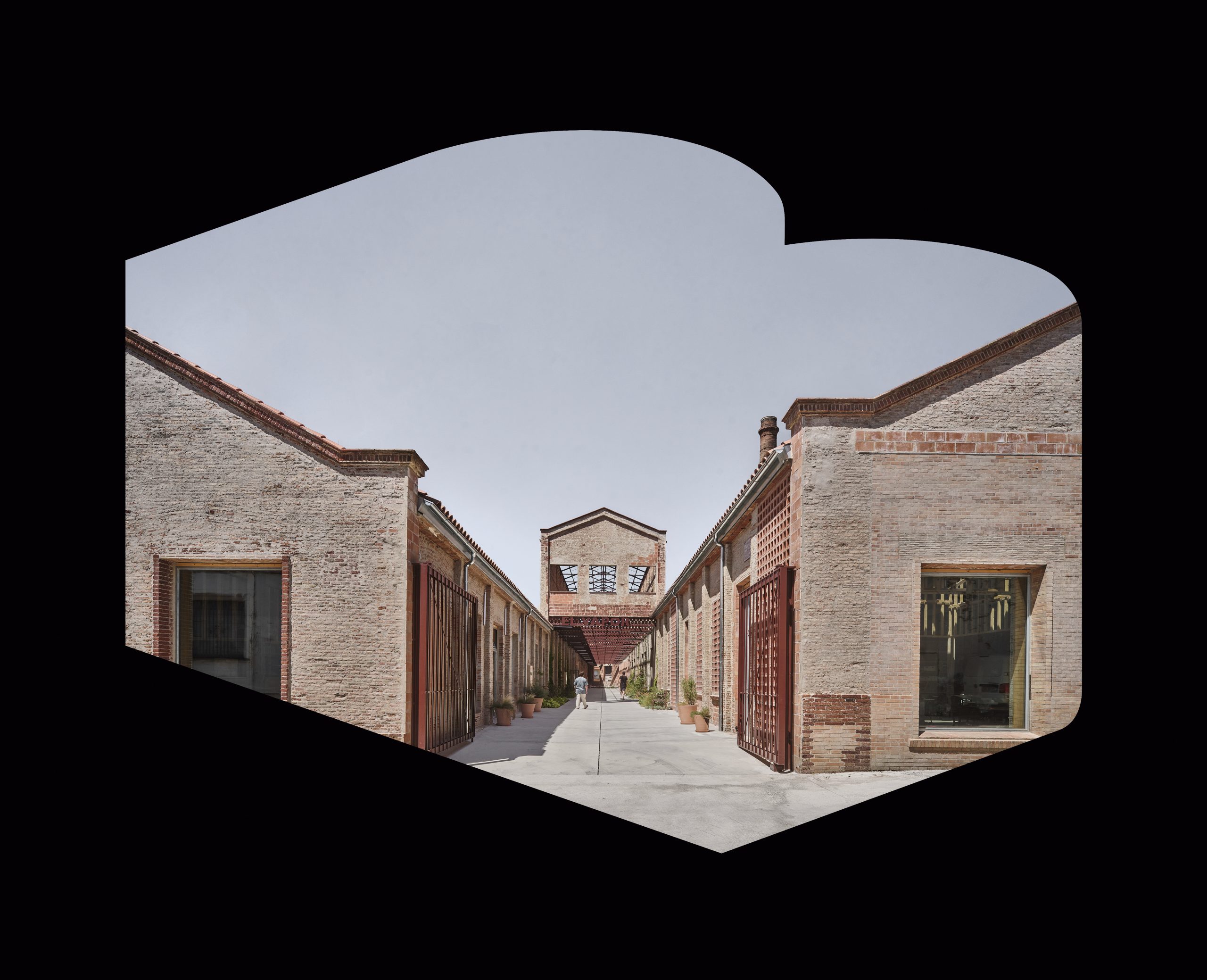
The schools designed by the MBM studio spearheaded education in a country that had been clearly repressed and held back by the methods employed by the dictatorship, which were mainly linked to religious institutions. This constraint clashed head-on with the educational principles of Josep Maria Martorell and Oriol Bohigas, both of whom were pupils at the Institut-Escola de la Generalitat de Catalunya at the Palau del Governador in the Ciutadella during the years of the Second Republic. The values of this educational centre were based, amongst other things, on the following principles: Catalan as the sole language of instruction, co-educational classes for boys and girls, secularism as a humanist foundation, and pedagogy as a means of guiding children towards maturity. In Bohigas’s words, “absolute freedom and an absolute demand for responsibility”.
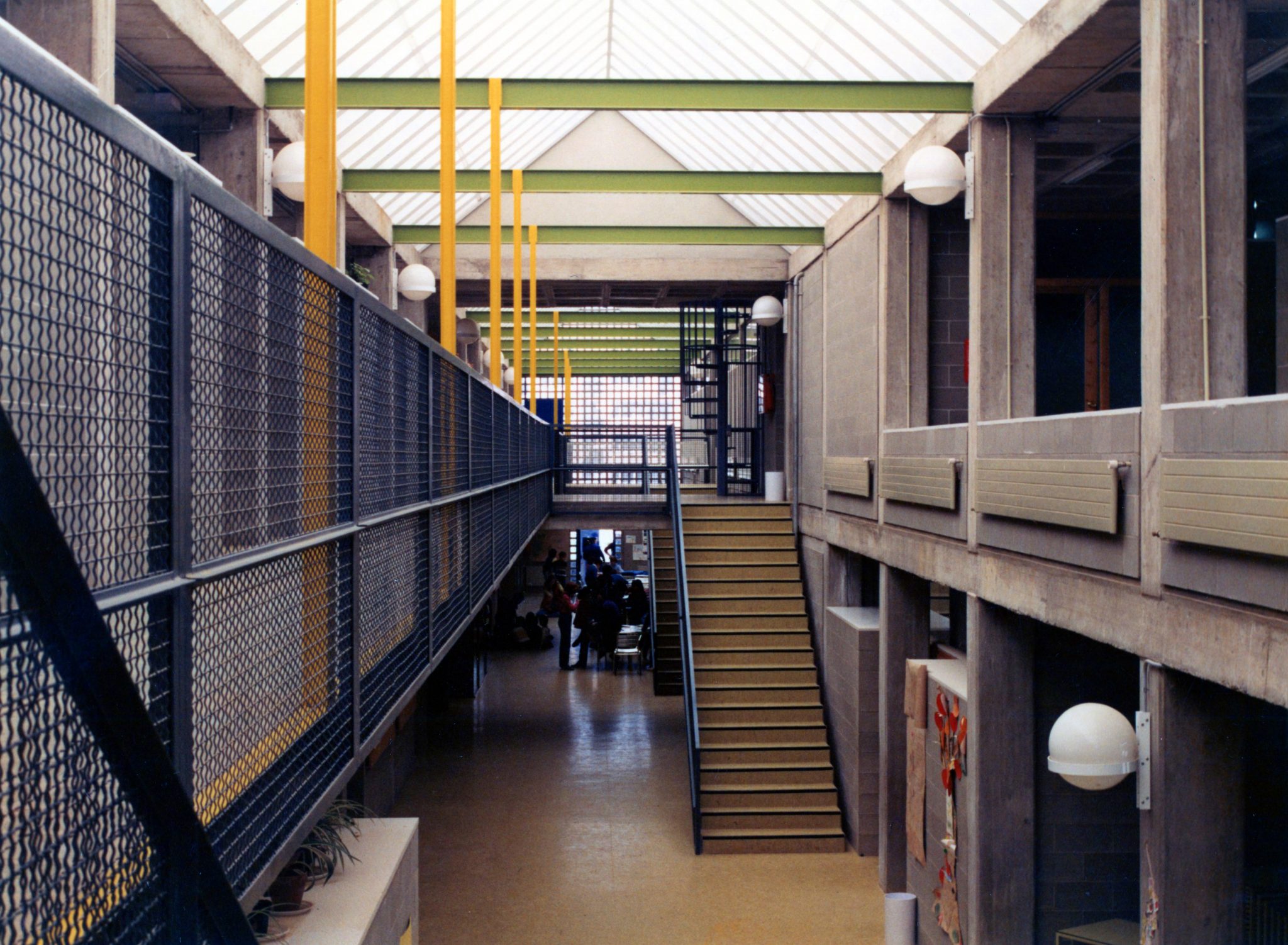
It is undeniable that this foundation would later manifest itself in the professional practice of these two students, who became friends and ultimately founding partners of the Martorell-Bohigas studio. In their first school works, still without the participation of the Englishman David Mackay, there is an effort to move away from the rigid functionalism that understood the pupil as a passive recipient, but which had not yet made the community the epicentre of learning. With the successive international contributions during the 1950s, and principally with the emergence of the new English school model, which grouped classrooms around a central multipurpose space, the classroom as an isolated container linked to access corridors would become blurred, and a full move would be made towards the study and experimentation of new, enriching proposals. In this regard, the contributions of David Mackay, as well as the monograph dedicated to this subject by the 12th Milan Triennale in 1960, entitled “La casa e la scuola”, were fundamental in opening up lines of research. The Garbí school was the first to be built, followed by other celebrated examples such as the Sant Jordi schools, Costa i Llobera, the Abat Oliba institute in Ripoll or the highly renowned Thau school, which in a way brought full circle the recovery of the education these pupils of the Institut-Escola had received during the republican Generalitat. Now, architecture was part of it.
In the following years of the 1980s, this experimentation continued with new proposals, from grid-based approaches, such as the Mestres Montaña school, as well as those that addressed the new, urgent demands for public and secular facilities arising from the young democracy, which sought to leave behind practices it considered obsolete. The radicalism of the Vázquez Montalbán institute, which combines a bold formal postmodernity with an absolutely rational and stripped-back use of building materials, results in unique and new common spaces for a population that, until then, had not seen this type of proposal—except for the more well-off classes who attended concerted schools.
It could be said, then, that MBM’s school architecture responds to educational concerns; if the will to teach and to foster social interaction creates the building, it will also be the building that shapes people.
 1
1