Intro

About

In this first stage, the catalogue focuses on the modern and contemporary architecture designed and built between 1832 –year of construction of the first industrial chimney in Barcelona that we establish as the beginning of modernity– until today.

The project is born to make the architecture more accessible both to professionals and to the citizens through a website that is going to be updated and extended. Contemporary works of greater general interest will be incorporated, always with a necessary historical perspective, while gradually adding works from our past, with the ambitious objective of understanding a greater documented period.

The collection feeds from multiple sources, mainly from the generosity of architectural and photographic studios, as well as the large amount of excellent historical and reference editorial projects, such as architectural guides, magazines, monographs and other publications. It also takes into consideration all the reference sources from the various branches and associated entities with the COAC and other collaborating entities related to the architectural and design fields, in its maximum spectrum.

Special mention should be made of the incorporation of vast documentation from the COAC Historical Archive which, thanks to its documental richness, provides a large amount of valuable –and in some cases unpublished– graphic documentation.

The rigour and criteria for selection of the works has been stablished by a Documental Commission, formed by the COAC’s Culture Spokesperson, the director of the COAC Historical Archive, the directors of the COAC Digital Archive, and professionals and other external experts from all the territorial sections that look after to offer a transversal view of the current and past architectural landscape around the territory.

The determination of this project is to become the largest digital collection about Catalan architecture; a key tool of exemplar information and documentation about architecture, which turns into a local and international referent, for the way to explain and show the architectural heritage of a territory.

Aureli Mora i Omar Ornaque
Directors arquitecturacatalana.cat

credits

About us

Project by:

Created by:

Directors:

2019-2026 Aureli Mora i Omar Ornaque

Documental Commission:

2019-2026 Ramon Faura Carolina B. Garcia Eduard Callís Francesc Rafat Pau Albert Antoni López Daufí Joan Falgueras Mercè Bosch Jaume Farreny Anton Pàmies Juan Manuel Zaguirre Josep Ferrando Gemma Ferré Inés de Rivera Fernando Marzá Moisés Puente Aureli Mora Omar Ornaque

Collaborators:

2019-2026 Lluis Andreu Sergi Ballester Marianela Pla Maria Jesús Quintero Lucía M. Villodres Montse Viu

External Collaborators:

2019-2026 Helena Cepeda Inès Martinel

With the support of:

Generalitat de Catalunya. Departament de Cultura

Collaborating Entities:

ArquinFAD


Fundació Mies van der Rohe


Fundación DOCOMOMO Ibérico


Basílica de la Sagrada Família


Museu del Disseny de Barcelona


Fomento


AMB


EINA Centre Universitari de Disseny i Art de Barcelona


IEFC


Fundació Domènench Montaner.


ETSAB

Design & Development:

edittio Nubilum

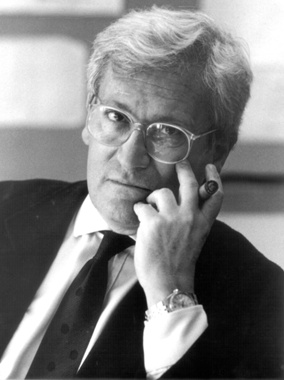
Una possible “Escola de Barcelona”

per Oriol Bohigas

Aquest article d’Oriol Bohigas, publicat l’any 1968 a la revista Arquitectura, núm. 118, del COAM, va voler posar de manifest l’arquitectura feta pels arquitectes catalans al voltant dels principis que ell mateix defensava, tant arquitectònics com intel·lectuals, vers aquella arquitectura produïda a altres parts de l’Estat. Va identificar una manera de fer que, d’ara endavant, evolucionaria sota altres preceptes.

L’enfocament d’aquesta intervenció serà diferent del que Fullaondo va adoptar. M’havia proposat, simplement, explicar-vos quina és la situació actual de l’arquitectura catalana, l’arquitectura que en aquest moment s’està fent, sobretot a Barcelona. Era, doncs, un propòsit gairebé purament informatiu d’actualitat general. Després, però, vaig pensar que podia concretar més i, en comptes d’explicar globalment el conjunt variat de l’arquitectura catalana recent, limitar-me a l’obra d’un grup reduït i concret d’arquitectes de Barcelona. Es tracta d’un conjunt no escollit a l’atzar, sinó determinat per la raó que s’hi troben les condicions i es produeixen les relacions necessàries per poder dir que és, realment, un grup coherent i gairebé, salvant l’èmfasi excessiu de la paraula, una escola.

Piscina del Club Mas Pey, de Ricardo Bofill Taller de Arquitectura. (autoria desconeguda)

Ja sabem que l’arquitectura catalana es desenvolupa també per altres arquitectes que treballen en línies aproximadament diferents de la que comentarem, però ens sembla que el grup a què ens referirem és el que presenta, almenys a un cert nivell numèric, una cohesió més gran, i és el que, d’altra banda, i parer nostre, té una forma d’actuar lligada a les característiques que podríem considerar més generals en tota la cultura catalana, fins i tot la d’altres àmbits no purament arquitectònics.

Hem dit que és un grup força coherent i que fins i tot, eliminant l’excessiu èmfasi de la paraula, el podríem anomenar escola: l’Escola de Barcelona, com algú ja l’ha anomenat. El que podem dir amb seguretat és que es tracta d’una capelleta en els termes normals i, fins i tot, pejoratius de la paraula. Aquesta capelleta, encara que no està ni de bon tros formalitzada —ni ho estarà mai perquè és més un fet de coincidències, de vegades conjunturals, que un propòsit d’estructura— es pot considerar aglutinadora d’uns quants estudis, en els quals treballen diversos arquitectes sempre en col·laboració.

Can Bayés, de Lluís Cantallops i Jaume Rodrigo. (autoria desconeguda)
Interior de la botiga Sonor, de Lluís Clotet i Oscar Tusquets, del Studio PER. (© Fons Fotogràfic O. Maspons / Arxiu Històric del COAC)

M’estic referint als estudis de Correa i Milá; de Tusquets, Clotet, Bonet i Cirici; de Bofill i els seus col·laboradors, entre els quals hi ha el seu propi pare; de Domènech, Puig i Sabater; de Cantallops, que treballava amb el malaguanyat Rodrigo; el meu propi (Martorell, Bohigas, Mackay) i una sèrie d’arquitectes joves i de la generació intermèdia que han treballat en diverses col·laboracions i que no enumerem perquè no volem, ni de bon tros, donar la impressió d’un quadre tancat de noms, sinó simplement d’un conjunt d’obres, algunes de les quals es poden incloure en el grup, sense que la resta de la producció del seu autor es pugui considerar tan coherent.

Una altra cosa cal advertir prèviament. Tot i que exposaré els meus criteris amb l’apassionament i l’aparent convicció que dona el fet de participar personalment d’aquesta arquitectur, això no vol dir en absolut que aquests judicis siguin positivament valoratius. Intentaré descriure simplement quina és la situació d’aquest grup d’arquitectes.

El fet que posi cert subratllat apassionat als meus judicis no vol dir que no hi hagi altres camins seguits per altres arquitectes de gran categoria que, fins i tot a mi mateix, em puguin semblar més vàlids o, si més no, tan vàlids com el que descriurem.

Casa Rumeu, de Correa Milá Arquitectes. (© Fons Fotogràfic O. Maspons / Arxiu Històric del COAC)
Façana dels habitatges Gama, d’MBM. (© Fons Fotogràfic F. Català-Roca / Arxiu Històric del COAC)

Hi ha una primera característica comuna que correspon no només als arquitectes d’aquesta capelleta, sinó també gairebé a tots els que treballen a Catalunya. Es refereix a la naturalesa i la procedència dels encàrrecs. Com sabem, els encàrrecs de l’arquitectura catalana procedeixen, pràcticament tots, de la burgesia catalana, que és un grup també molt homogeni i amb unes característiques tant positives com negatives suficientment divulgades. Amb això, l’arquitecte català està pràcticament limitat, de manera que no fa gairebé mai una obra per a grans empreses estatals o particulars de prou envergadura ni per als grans conjunts promocionats per capitalistes més o menys especuladors, ni tan sols per als grans esforços de cooperació a nivell no especulatiu. Aquestes característiques —que caldria desenvolupar i justificar més àmpliament, sens dubte— influeixen en dues coses bàsiques: a les tipologies i al mateix concepte arquitectònic.

Seu de l’Editorial Destino, d’MBM. (© Fons Fotogràfic F. Català-Roca / Arxiu Històric del COAC)

El cas de les tipologies és molt clar. Alguna vegada hem afirmat polèmicament que l’arquitecte català es caracteritza per fer només cases entre mitgeres, mentre que els arquitectes madrilenys es caracteritzen per fer poblats dirigits. Això és, sens dubte, molt exagerat, però em sembla que si calgués fer una història de l’arquitectura recent de Barcelona, els temes que apareixerien més sovint serien el de la petita casa entre mitgeres, el de la petita casa burgesa, el de la petita casa d’especulació a límit immediat, però molt rarament ens hauríem de referir a conjunts d’una certa importància i d’un cert impacte urbà.

“El cas de les tipologies és molt clar. Alguna vegada hem afirmat polèmicament que l’arquitecte català es caracteritza per fer només cases entre mitgeres, mentre que els arquitectes madrilenys es caracteritzen per fer poblats dirigits.”

Habitatges Comte Borrell, d’MBM. (© Fons Fotogràfic F. Català-Roca / Arxiu Històric del COAC)

Pel que fa al concepte arquitectònic mateix, passa que es produeix, sens dubte, una adequació a les exigències d’aquelles operacions de curt abast. L’arquitecte català —l’arquitecte barceloní, més concretament, perquè a Barcelona és on es produeix la major quantitat d’arquitectura significativa— està constantment limitat —i quan dic limitat tampoc considero que això sigui una situació negativa— per les exigències d’unes operacions de curt abast, de visions petites, de participació directa del propietari mateix, d’adequació a tot un sistema, amb la seva tecnologia difícilment transformable, amb una sèrie de criteris al marge que interfereixen directament el tema arquitectònic.

Això ens porta a considerar una segona característica d‘aquest grup d‘arquitectes: l’adeqüació voluntària, conscient i culta a aquestes realitats modestes. D’una banda, això conforma una actitud general de tots aquests arquitectes i de l’altra assenyala un inici de mètode de disseny. Una actitud general davant de problemes de diferent espècie és molt difícil de definir rigorosament, però potser és fàcil fer-ho donant algunes visions parcials significatives, però no sistemàtiques. Heus aquí aquests trets: tenir el convenciment que l’arquitectura no és una exigència de creació monumental, de definició de genialitats individuals, sinó una simple possibilitat de servir els interessos col·lectius d’una manera immediata i molt concreta; creure en el fet positiu d’aquelles mateixes limitacions i en les seves infinites possibilitats, moltes de les quals es poden fins i tot potenciar amb el coneixement i la nova utilització dels oficis tradicionals i de les tècniques usuals; no creure que les experiències formals d’altres disciplines, com ara l’escultura, la geometria o la pintura, puguin ser vàlidament trasplantades a l’arquitectura; no confiar en experiències com els concursos perquè l’actuació no té cap denotació real immediata ni possibilita una investigació seriosa.

Oficina Consultora d’Instal·lacions del COAC, de Cristian Cirici i Pep Bonet, del Studio PER. (autoria desconeguda / Arxiu Històric del COAC)
Habitatges Xaudiera, d’MBM. © Fons Fotogràfic F. Català-Roca / Arxiu Històric del COAC

Hem dit que juntament amb una actitud general també es dona un principi de mètode de disseny. Aquest mètode es podria definir dient que és l’intent de projectar sempre des dels condicionaments interns i des de les exigències tecnològiques d’ús de cada element. És a dir, ser sempre lògicament conseqüent, d’una banda, amb el programa i, de l’altra, amb la tecnologia que ens veiem obligats a fer servir. Això dona peu a la tercera característica que, en principi i en vista de les fotos d’algunes realitzacions catalanes, semblarà excessivament polèmica o fins i tot totalment equivocada, però que a nosaltres ens sembla fonamental. Es tracta de l’intent de seguir fermament la línia de la tradició més exigentment racionalista.

En contra del que se sol dir, la majoria d’exigències racionalistes han estat abandonades, sobretot per aquells arquitectes que intenten mantenir amb més tenacitat una certa plàstica purista, que històricament va aparèixer lligada al racionalisme. A la nostra manera de veure, l’espectacle dels que arreu del món s’erigeixen en defensors de la tradició racionalista és en aquest moment força trist i desmoralitzador, perquè gairebé cap de les seves obres resisteix una anàlisi segons un mètode racional seriós i profund. Segurament tot això es produeix perquè de fa temps existeix una confusió greu entre mètode racional i resultat simple en les formes. Contràriament, col·locant els problemes al pla de la lògica, com més lògic és el procés de creació, més s’allunyen els resultats de l’abstracta puresa formal. En contradicció al que se sol mantenir en aquestes polèmiques, creiem que l’única escola que manté una fe, una continuïtat rigorosa en les bases del racionalisme, és el grup d’arquitectes de Milà i, una mica subsidiàriament, aquesta “escola” Barcelona de la qual parlem.

Laboratoris fitoquímics Lafi, de Ricardo Bofill Taller de Arquitectura. (© Ricardo Bofill Taller de Arquitectura)

Cal advertir que aquesta posició no és exactament una posició racionalista en els termes antics de la paraula —en els seus termes històrics—, sinó que es tracta d’una actitud, podríem dir, àmpliament lògica, en el sentit nou que pugui tenir la denominació d’aquest procés.

Botiga Olivetti a Badalona, de Correa Milá Arquitectes. (© Deidi von Schaewen – Fons Correa Milá / Arxiu Històric del COAC)

Es podria fer una anàlisi, no diguem ja de l’Escola de Milà, perquè això sembla obvi, sinó fins i tot, amb la deguda diferència de qualitat, de la major part d’obres d’aquest grup de Barcelona, veient com el disseny està o intenta estar-hi basat —amb èxit o sense, això ja és un problema de qualitat— en la lògica dels usos, en la tecnologia utilitzada i fins i tot en el procés lògic que comporta la forma mateixa. Cal subratllar aquí que, en el trasllat d’aquesta exigència als resultats formals, ha tingut una influència tremenda la lliçó de Federico Correa. Correa ha estat durant molt de temps professor de l’Escola d’Arquitectura de Barcelona, fins que el van expulsar definitivament fa un parell d’anys, ensenyant diverses generacions d’arquitectes a dissenyar basant-se en un procés lògic. Això ha influït molts arquitectes joves que van passar per la seva aula, la coherència dels quals ha representat segurament l’aglutinament teòric d’aquesta tendència.

Insistim. Aquesta tercera característica comporta tres conseqüències. Primera: disseny condicionat per l’ús de l’objecte arquitectònic i per la tecnologia utilitzada en la seva realització, independentment de quina sigui aquesta tecnologia, independentment que sigui més o menys avançada, més industrial o més artesana. Segona: consideració de les exigències lògiques del llenguatge mateix, un terme que hauríem de desenvolupar més àmpliament si disposéssim de més temps. I tercera: a conseqüència d’aquest gust per respondre honestament a la tecnologia utilitzada per donar sortida formal als problemes que planteja i, fins i tot, al procés mateix de creació i construcció, un cert èmfasi en l’expressió tecnològica.

Alberg Canyamars Xanascat, d’MBM. (© Fons Fotogràfic F. Català-Roca / Arxiu Històric del COAC)
Maqueta de la Torre Atalaya, de Correa Milá Arquitectes. (autoria desconeguda – Fons Correa Milá / Arxiu Històric del COAC )

Moltes obres d’aquest grup català es poden explicar mitjançant aquest èmfasi en l’expressió tecnològica, basada molt sovint en els mateixos accidents del procés constructiu i en les limitacions de les tècniques utilitzades. Tot i aquesta actitud que podria semblar una simple resposta immediata als fets reals, acceptats com a tals sense cap crítica, als usos i a les tecnologies conservadores, aquests arquitectes no són aliens a una possibilitat de recerca i, concretament, a una actitud avantguardista. Contràriament, aquesta possibilitat és una de les preocupacions fonamentals, i l’aportem aquí com una nova característica del grup.

“Es tracta, simplement, de referir el problema arquitectònic a un problema de comunicació. Aleshores es planteja el fet que l’arquitectura, com qualsevol activitat, és un problema pur de comunicació: es parteix d’uns fets, unes circumstàncies socials, econòmiques, sociològiques, tecnològiques, etc. i s’han de traduir a coses d’un altre camp que en aquest cas és l’arquitectura.”

Per explicar això, hem de fer un resum breu d’un criteri d’anàlisi del fet arquitectònic que algunes vegades ja hem comentat. Ens referim a temes suscitats per Umberto Eco a l’Escola d’Arquitectura de Milà i que l’arquitecte Lluís Clotet va explicar i desenvolupar aplicant-los als nostres problemes en un article a Destino. Es tracta, simplement, de referir el problema arquitectònic a un problema de comunicació. Aleshores es planteja el fet que l’arquitectura, com qualsevol activitat, és un problema pur de comunicació: es parteix d’uns fets, unes circumstàncies socials, econòmiques, sociològiques, tecnològiques, etc., i s’han de traduir a coses d’un altre camp que en aquest cas és l’arquitectura. Això té el seu equivalent exacte en els problemes del llenguatge: hi ha uns continguts, una quantitat de significats que, mitjançant uns signes, aconsegueixen uns significants. Sabem que un signe té un significat determinat perquè tenim un codi usualment establert o especialment convingut: sabem que un llum vermell indica prohibició de passar perquè s’explica al codi de circulació establert.

Casa Dahl, de Pep Bonet, del Studio PER. (autoria desconeguda – Fons Quaderns d’Arquitectura i Urbanisme / Arxiu Històric del COAC)
Habitatges per al Gremi de Vidriers, de Lluís Clotet i Oscar Tusquets, del Studio PER. (autoria desconeguda)

Tot el llenguatge és un traspàs dels significats als significants mitjançant un codi que coneixem. Passa el mateix amb l’arquitectura si la interpretem com un fenomen de comunicació. Però, si superposem aquests dos conjunts —el llenguatge i l’arquitectura— que tenen una mateixa estructura, hi trobem una diferència fonamental: la persona que parla o escriu té actuació alhora sobre els significats i significants, mentre que l’arquitecte actua exclusivament sobre significants i no sobre significats, perquè aquests són lluny de la seva actitud professional i perquè en el moment de la creació artística, només pot subratllar la seva aportació optant lliurement, entre les dades —entre els significats sociològics, econòmics, tècnics, etc.— elaborats per altres professionals.

Aleshores es planteja el problema de quin camí seguir en aquesta situació si volem adoptar una actitud d’avantguarda. D’una banda, hi ha un tipus d’arquitectes que es plantegen així el problema: hi ha uns significats, hi ha uns fets concrets en aquesta societat que acceptem tal com són, tenim un codi establert que permet transportar-los a formes i fem aquestes formes de manera absolutament fidel als significats i al codi en ús. Això és el que anomenaríem arquitectura de consum, una arquitectura d’acord amb els continguts de la societat en què es viu i que, d’altra banda, accepta obertament el codi que aquesta mateixa societat té establert: cal fer habitatges amb terrassa, perquè la terrassa, segons el codi de la nostra societat burgesa, indica alt estàndard econòmic. Fem terrasses no perquè la gent visqui millor ni perquè respongui a un sentit positiu en l’evolució social, sinó perquè la gent es decideixi a comprar, seduïda per l’aparent augment d’estàndard i, sobretot, perquè res els inciti a posar en crisi les seves apetències ni l’estructura social a la qual pertanyen. Hi ha una altra posició que és la de l’arquitecte que creu que cal modificar fonamentalment els continguts de la societat on viu i que això es pot fer, simplement, treballant amb els significants, fent una arquitectura d’acord amb una societat evolucionada que encara no existeix, una societat futura que estarà estructurada d’una altra manera, que estarà socialitzada, que estarà industrialitzada, que funcionarà amb un sistema econòmic molt diferent. Això és un avantguardisme de caràcter utòpic, un avantguardisme que està basat sobre una societat que no existeix i que ningú no pot predir exactament. Aquesta actitud és fonamentalment reaccionària, com és reaccionari tot utopisme plantejat com un intent de predicció i no d’experimentació investigadora, perquè en el fons parteix de les dades actuals sense acceptar la possibilitat d’una dialèctica històrica. Però després hi ha un tercer camí que és, més o menys, el camí intermedi: suposar que la societat evolucionarà, encara que no se sap exactament com ni se’n presumeix cap predicció, i fer unes noves formes —uns significants— que no només permetin, més o menys, una immediata existència de la societat actual, sinó que tinguin la suficient obertura perquè les possibles evolucions, previsibles o no previsibles, puguin cabre-hi. A tot això se li pot afegir, a més, un altre esforç de progrés important: l’intent de trencar fins al màxim els codis establerts, d’allunyar-se dels convenis de l’estructura sociològica actual, que ens sembla injusta i inadequada. Si aconseguim traduir aquestes diverses possibilitats de contingut a uns significants amb codis nous, no conformistes, haurem introduït un element de dissolució, un punt de crisi profunda, un element de progressió dialèctica dins la societat. Aquest tercer camí, que podríem anomenar avantguardisme realista, implica, per tant, per una banda, l’exigència de l’obra oberta, i de l’altra, l’intent de ruptura dels codis establerts.

Habitatges Pérez Cabrero, de Ricardo Bofill Taller de Arquitectura. (© Gregori Civera)
Restaurant Reno, de Correa Milá Arquitectes. (© Fons Fotogràfic F. Català-Roca / Arxiu Històric del COAC)

Ens sembla evident, i d’acord amb les característiques que hem analitzat abans, que —amb millors o pitjors resultats— la intenció d’aquesta pretesa Escola de Barcelona és treballar en aquest tercer camí de l’avantguarda realista. Això porta com a conseqüència una actitud personal que podríem considerar com la cinquena característica del grup: el pessimisme. Si tenim el convenciment que no es pot actuar sobre els significats (amb l’arquitectura, com deia Giancarlo de Carlo, només es pot reformar l’arquitectura mateixa) els que encara creiem en la possibilitat de modificar la societat i, sobretot, en la necessitat de reformar la societat, hem d’adoptar una certa posició pessimista respecte a l’arquitectura o, millor, sobre la seva validesa real o importància relativa. Per a gent molt profundament compromesa amb uns determinats ideals socials i —per què no dir-ho— polítics, l’arquitectura cal prendre-se-la amb pessimisme o amb ironia. L’actitud, per tant, d’aquest grup, en línies generals i a conseqüència de la seva actitud davant l’arquitectura, és no fer-se massa il·lusions sobre res i no creure gaire en cap afirmació concreta. Això dona un cert gust per les actituds crítiques, per les actituds iròniques, per les actituds bàsicament insegures, ambigües i, fins i tot ens atreviríem a dir, francament cíniques. Dona també una predilecció cap a arquitectures de poc prestigi, cap a arquitectures malaltisses, dramàtiques i de transició. Ens atreviríem a dir que als arquitectes d’aquest grup els agraden poc les arquitectures dels moments plens o dels inicis ingenus i il·lusionats i els agraden força les arquitectures degenerades, malaltes, desenganyades que es troben en situació convalescent. És sorprenent com els arquitectes d’un determinat grup europeu ingenu i simplista són devots d’aventures com la que va representar De Stijl i, en canvi, a aquest grup català li interessa més el moviment coetani, malaltís, decadent que va representar Wendingen, de la mateixa manera que li interessa més el Manierisme que el Renaixement ple, la culta sofisticació d’Albini que la rotunditat primària d’Archigram, l’elaboració d’Aalto que la simplicitat de Mies.

Bar i sales annexes del col·legi major Sant Raimon de Penyafort i Nostra Senyora de Montserrat, de Lluís Clotet i Oscar Tusquets, del Studio PER. (© Fons Fotogràfic O. Maspons / Arxiu Històric del COAC)
Can Bordoi, d’MBM. (© Fons Fotogràfic F. Català-Roca / Arxiu Històric del COAC)

Aquestes darreres característiques coincideixen amb una manera d’entendre l’activitat professional: ni abstencionistes ni conformistes; treballar en la mesura del possible, però intentant constantment de posar el sistema en crisi amb els pobres mitjans que tenim a mà. Això es trasllada, lògicament, no sols al món concret de l’arquitectura, sinó a tota una forma de vida. Podríem dir que, més o menys, els arquitectes d’aquest grup es troben units, tant per les característiques que hem assenyalat com per l’adopció d’una forma de vida semblant, forma de vida basada en aquell cert pessimisme i en el gust d’adoptar constantment actituds que, dins del mateix sistema, provoquin crisis locals o generals.

“Els arquitectes d’aquest grup es troben units, tant per les característiques que hem assenyalat com per l’adopció d’una forma de vida semblant, forma de vida basada en aquell cert pessimisme i en el gust d’adoptar constantment actituds que, dins del mateix sistema, provoquin crisis locals o generals.”

Per aquest camí ens atreviríem a fer, fins i tot, l’elogi de l’escàndol com a revulsiu i l’anomenada frivolitat com a actitud crítica i pessimista i a afirmar que escàndol i frivolitat són notes positives força integrades a la forma de vida d’aquests arquitectes.

Espais comuns de la Casa Fullà, de Lluís Clotet i Oscar Tusquets, del Studio PER. Fons Fotogràfic O. Maspons / Arxiu Històric del COAC)

Finalment, totes aquestes característiques de grup que hem comentat es concreten encara més en dos fets. Un és el que podríem anomenar posició cultural coherent, i l’altre és la unitat d’estil formal.

És possible que una cosa que uneixi molt aquest grup és una certa posició cultural. En dir això, no signifiquem que siguin arquitectes amb més o menys cultura, sinó que creuen que el fet cultural és definitori i determinant. Això es comprova des de dos punts de vista. D’una banda, gairebé tots treballen en activitats culturals al marge de l’arquitectura: crítics, historiadors, cineastes, editors, tècnics en branques marginals, etc. D’altra banda, també és evident l’interès per integrar-se constantment en moviments europeus i mundials d’abast cultural molt ampli.

Ampliació de l’Ateneu de Tàrrega, de Lluís Domènech, Ramon M. Puig, Laureà Sabater i Jaume Sanmartí. (© Oriol Maspons, Julio Ubiña – Fons Fotogràfic O. Maspons / Arxiu Històric del COAC)
Casa Vilarrubis, de Correa Milá Arquitectes. (autoria desconeguda – Fons Correa Milá / Arxiu Històric del COAC)

És un fet aquest que, com Fullaondo ha subratllat anteriorment, sol ser força general a tota la cultura catalana. Així, el Modernisme va ser un moviment molt lligat a l’Art Nouveau i a la Sezession contemporanis, de la mateixa manera que una certa plenitud del GATCPAC va estar lligada a la cultura europea dels anys trenta i de la mateixa manera que, en determinat moment en què a Madrid s’iniciava un retorn a una arquitectura vàlida a través del Manifiesto de la Alhambra, a Barcelona es pensava a recollir la tradició bauhausiana, gens castissa, però molt més culta.

Residència d’estudiants Mare Güell, de Lluís Cantallops i Jaume Rodrigo. (© VEGAP Fons Fotogràfic Ll. Casals / Arxiu Històric del COAC )

Com hem dit abans, un dels elements que subratlla més aquesta unitat de grup —encara que això, per a certes anàlisis sociològiques de l’art els pugui no servir— és, concretament, la coherència d’estil formal. Les obres d’aquests arquitectes no són evidentment iguals, ni els mètodes emprats són els mateixos ni en una anàlisi seriosa es poden confondre, però totes es troben dins una línia formal, de manera que, vistes en conjunt i contraposades a obres mentalment i geogràficament distants, poden donar la visió d’un determinat estil. La importància de l’estil formal va ser menystinguda i, fins i tot, menyspreada en el moment de l’auge polèmic més gran del moviment modern, però estem convençuts que la possibilitat de creació d’un estil coherent, d’uns elements de llenguatge que serveixen, que unifiquen i que, en certa manera, fins i tot, programen, és un fet fonamental per a la valoració històrica d’una obra, i sobretot, si parlem de la possibilitat de constituir una escola. Cal advertir que aquesta unitat d’estil tant es pot haver produït perquè els camins metodològics són els mateixos o semblants, o, simplement, per raó de relacions professionals entre els elements del grup. Cal saber que aquests arquitectes es reuneixen com a mínim dues o tres vegades cada setmana a discutir els seus projectes, a programar estudis, a assistir conjuntament a un seminari d’estètica, a actuar en qüestions professionals. La coherència, doncs, queda evidenciada tant per aquests resultats formals com pel fet que aquests arquitectes s’estan mútuament autoformant en una estreta convivència. Segurament aquestes característiques són les que permeten parlar ja d’una possible escola, que anomenaríem “de Barcelona” en atenció a l’enorme pes que la història i les reals exigències actuals d’aquesta ciutat està exercint sobre la seva obra.

Tornar

Cronologia (22)

  1. Romeu House

    Alfonso Milá Sagnier , Federico Correa Ruiz , Correa Milá Arquitectes

    Romeu House

    La casa Rumeu tiene una forma hexagonal que proviene de la experiencia de la casa Julià, donde los arquitectos ya habían ensayado las geometrías no ortogonales. La envolvente de la casa Rumeu está construida completamente con piedra de Cadaqués, como la que ya habían utilizado para hacer el muro de contención de la casa Julià. Allí se dieron cuenta de que, en Cadaqués, los muros de piedra eran más baratos que los de ladrillo, y por eso decidieron construir toda esta casa con piedra autóctona. También había un motivo paisajístico mucho más importante, ya que pensaban que era adecuado reservar la arquitectura blanca para el centro de Cadaqués pero, en cambio, utilizar la piedra para las casas de los alrededores, puesto que salpicaban el paisaje sin llegar a constituir entidades urbanas. De este modo, utilizando la misma piedra que en los bancales y las terrazas del exterior, conseguían que la casa desapareciera, camuflada en el paisaje. Uno de los elementos más destacables del proyecto es la estructura de madera que soporta la cubierta, de pendiente muy suave. La estructura está formada por un sistema de cerchas de madera que, en unos casos, están soportadas por los muros de piedra de la fachada y, en otros, por pilares de madera. El resultado es un entramado estructural visto que proporciona una gran vistosidad y plasticidad al proyecto. En el interior se han construido algunos muebles de obra aprovechando los desniveles, en consonancia con los bancales y las terrazas del exterior.
  2. Bar and Annexes of the Sant Raimon de Penyafort i Nostra Senyora de Montserrat Student Residence

    Oscar Tusquets Blanca , Lluís Clotet i Ballús , Studio PER

    Bar and Annexes of the Sant Raimon de Penyafort i Nostra Senyora de Montserrat Student Residence

    It consists of a space with high ceilings, generous dimensions and it is presided over by an ordered series of pillars, beams and large windows which were fragmented and organised to allow diverse environments. The main element of the intervention was a partition of different heights that sought in its broken geometry the floor’s maximum stability. It was a kind of complex screen that contained windows, sliding curtains, sconces, washable plastic bands, corners, plinths and trims. This initial exercise already shows a way of doing things that will be present in many of the later works. Concern for comfort, care for the construction no matter how simple and the assessment of the place where it is intervened were the guides that accompanied the project on its way to reach a form, which from the beginning was wanted more as a consequence that as something determinant. From the perspective of this work, fifty years later it is easy to detect the cultural world from which it received so many fundamental influences. The admired Italian architects of the time were then dedicated to recovering aspects forgotten by the early avant-garde, to consequently expanding the vocabulary used by them, to rescuing ornamentation as an expression of the construction process, to considering the aging of things, to taking into account the environment as a priority... and all this was very interesting, and their works were just a few kilometers away.
  3. Johann Sebastian Bach - Francesc Pérez-Cabrero Dwellings

    Ricardo Bofill Leví , Emili Bofill i Benessat , Taller de Arquitectura

    Johann Sebastian Bach - Francesc Pérez-Cabrero Dwellings

    The building meets a program of 12 rent-free homes and 21 controlled rent homes, plus a secluded penthouse understood as a unique piece. Bofill refers to the traditional construction with a brick factory to fit the circular perimeter of the square and provide it with a defining character. Both hierarchies of houses are reflected on the façade and, in the manner of the local modernist tradition, small-scale elements (drainage pipes, gargoyles, chimney pipes, railings) are used to give expressiveness to the building, understood as a delicate work of brick factory and iron elements that adopt a sculptural quality.
  4. Sonor Shop

    Oscar Tusquets Blanca , Lluís Clotet i Ballús , Studio PER

    Sonor Shop

    The premises consisted of a ground floor and a basement and were part of a building with a great disorder in structure and facilities. The project, unable to take advantage of that neglected landscape, proposed the creation of a new interior space defined by a new envelope that embraced it and that ran completely independent of the rugged perimeter of the premises. The first tentative drawing consisted of a first overlay of a triangular plot on casual geometries and how it changed scale to suit what was to be hidden or surrounded. A drawing that expressed the search for a strategy that was intended to be general for that type of situation. The plot ended up being orthogonal and was applied to both the walls and the ceilings and floors. From the street, the built-up enclosure was seen from the outside protruding between the pillars of the building without touching them. Its appearance revealed the whole strategy of the operation, as if it were as interested in playing games as in explaining the trick.
  5. Canyamars Xanascat Hostel

    Oriol Bohigas i Guardiola , Josep Maria Martorell i Codina , David Mackay , MBM Arquitectes

    Canyamars Xanascat Hostel

    This complex of buildings, used as a holiday camp for two groups of 72 children, is located on the “Mas Silvestre” estate, owned by the Caixa d’Estalvis de Sabadell. Set on a south-facing slope in the Catalan coastal mountain range, at an average elevation of 320 metres above sea level, the site is largely sheltered from the winds of the Montseny and includes areas of woodland, cultivated land and abandoned vineyards. The building occupies the upper part of the site, adapting to the topography of the terrain. It is organised into three distinct volumes —two containing the sleeping accommodation and one housing communal services— linked by arcaded porches and arranged so as to incorporate a large central outdoor space, the courtyard, bounded to the south by the porches and to the north by the forest. The unity of the different volumes is expressed through a continuous pitched tiled roof, which is maintained in an organically continuous form and allows for a varying number of storeys depending on the changing level of the ground. The project is based on the intention of making the plan more flexible, with a view to allowing different modes of use. By decentralising the layout, the aim has been to dissolve the building into the landscape, adapting it to the topography while ensuring constant contact between all its spaces and nature. The courtyard is enclosed on all sides by built volumes except to the north, where it adjoins the forest. In this way, the forest gradually merges with and dissolves into the architecture. Access to the building is from the south. Passing through a porch, one reaches the two dormitory blocks (staff accommodation, children’s dormitories, sanitary facilities, and a shared space with toilets and clothes storage, which acts as a unifying element within each block), as well as the administration area (director’s bedroom and study, guest rooms and shared spaces, with the possibility of independent operation). Each building volume connects to the outdoor space via a covered porch used for recreation and manual activities. At one corner of the plan, overlooking the central courtyard, there are two dining rooms that can be converted into meeting rooms, and a smaller third dining space for guests. Together with their service areas, these form the third independent block, accessed via the main porch. Within this block, it was considered appropriate to include an infirmary to ensure care for sick children in the event of the rest of the camp being absent. The construction system is very simple, using brick load-bearing walls finished with render and paint both internally and externally. These follow a strict 5-metre structural grid, reinforcing the overall unitary character of the complex despite the flexibility of the plan. Access to the estate is via an existing path that crosses the site entirely towards Canyamars. Opposite the building, down the slope on the other side of the path, there is a sports area with a swimming pool, playing field, sports court and changing rooms.
  6. House and Swimming Pool in Can Bordoi

    Josep Maria Martorell i Codina , Oriol Bohigas i Guardiola , David Mackay , MBM Arquitectes

    House and Swimming Pool in Can Bordoi

    This large country house had an unusual programme in that the owners wanted it to be open to friends and everyone else, and this character had to be translated into architectural terms. The architects made three fundamental decisions ‘a priori’ before carrying out a detailed analysis of the programme: 1) To position the house in such a way that it incorporates and completes the existing group of buildings. 2) To design a building within a building – the interior with an organic floor plan responding to the needs of the detailed programme, the exterior with a formal rectangular floor plan responding to the scale of the adjacent building complex. The integral intermediate space between the interior and exterior envelopes serves to provide climate protection, aids the change of scale between the new and old buildings, and is an aesthetic and psychological response to clients who want an “open” house, replacing the usual exterior barrier wall with a protected space, both inside and outside. 3) A steel frame structure was chosen to allow greater freedom in planning the different sized elements required by the programme on separate floor levels. The detailed programme provided accommodation for a family with five children (compact bedrooms and a large flexible living room) and rooms for close friends and relatives, along with a small flat for a visiting priest to serve the religious community that occupies one of the existing buildings. The programme included a large garage to accommodate the various agricultural vehicles. Finally, there was a shelter consisting of a large communal bedroom and facilities separate from the rest of the house, for visiting groups of young people.
  7. Borrell Dwellings

    Josep Maria Martorell i Codina , Oriol Bohigas i Guardiola , David Mackay , MBM Arquitectes

    Borrell Dwellings

    Building between partitions located in the Eixample of Barcelona. The character and scale of the buildings in the area – most of them from the beginning of the century – motivated the design of the façade to achieve its adaptation to the urban environment, avoiding historicist concessions. This explains why the traditional glazed "stands" were used as pieces superimposed on the façade plan. The fundamental axis around which the different floors are resolved is a complex of vertical circulations formed by two staircases located symmetrically on the sides of a central courtyard for lighting and ventilation. On the ground floors, a third access staircase is incorporated exclusively for commercial premises, which occupy a significant area due to the commercial influence of the nearby Sant Antoni market.
  8. Installations Consultancy of the Col·legi d'Arquitectes de Catalunya (COAC)

    Pep Bonet Bertran , Cristian Cirici i Alomar , Studio PER

    Installations Consultancy of the Col·legi d'Arquitectes de Catalunya (COAC)

    The offices take up the entire top floor of a building intended for offices, with a trapezoidal plan and three façades built on the basis of a fiber cement sill, while the rest is made entirely of glass. The structure is based on metal portals. The office program to be installed on that free floor consisted of a reception, a secretary, a meeting room, a visiting room, two offices intended for technicians, an office for an administrator, a library, a draftsman's room and health services for employees and the public. An air conditioning system had to be installed for all the rooms for the summer. In the whole distribution, the existing façade was an important condition, which due to the type and dimensions of the openings, only normally allowed and in a façade perimeter of 40 metres the delivery of dividing partitions in 8 fixed points. Another condition was the pillars of the structure, which, due to their situation in the plan, made it difficult to build partitions precisely at those points where deliveries with the external enclosure were easier. The third condition was to obtain some natural lighting even for the spaces that remained inside and did not receive direct light from the outside. Using a special profile to solve the delivery of the partitions with the façade carpentry, the possible delivery points were increased; and by retracting the dividing walls forming angled windows in each displacement, it was possible to separate the structure of the partitions and give some natural lighting even to the reception, which is the innermost space of the offices. To visually isolate the offices from the outside, protect them from the summer sun, and make the installation of air conditioning as economical as possible, the entire façade has been protected with "American" type windows of white plastic, which separated in their lower part from the face of the façade, create an air chamber between the shutters and the façade, very favourable to avoid a higher heat transmission. To allow the passage of the air conditioning conductors, the false ceiling of the rooms that ventilate directly to the outside have been placed at a higher level than the rest, and between both levels the grilles of air expulsion have been placed. All the rooms in the program are closed spaces except the secretariat, which is separated from the outside only by a counter and a wardrobe hanging from the upper floor and which visually isolates both environments. All the doors, except for the sanitary ones, are of acid-treated glass to give greater illumination to the interior rooms while preserving privacy. In the partitions and during their construction, drilled metal profiles were placed that serve as supports for most of the office furniture.
  9. Club Esportiu Mas Pei

    Ricardo Bofill Leví , Taller de Arquitectura

    Club Esportiu Mas Pei

    Sited on a cliff, this sports club that includes a swimming pool, tennis courts and a restaurant, offers dramatic views over the Catalan Costa Brava. Perfectly integrated in its natural environment, the building’s roof garden has been planted with native vegetation around the swimming pool. Another example of RBTA’s Critical Regionalism period, the design widely incorporates the use of exposed red brick and tiles that resonates with the local culture.
  10. Lafi Phyto-Chemical Laboratories

    Ricardo Bofill Leví , Taller de Arquitectura

    Lafi Phyto-Chemical Laboratories

    Designed for the manufacture of phytochemicals, this building is the perfect example of RBTA regionalist period, with large cubic volumes suspended in the void and special attention given to the design details. The building is of exposed traditional red brick, with large glazed window openings. Conceived as a single building, it reveals itself as three pavilions which have been adapted to the undulating site. The different species of plants along the façade and the domestic appearance of the building facilitated its integration into what was a rural setting at the time, and it has been taken to be a private villa for decades. The progressive degradation of the area as a result of indiscriminate industrial development has left the laboratories looking today like a lush green garden amid a sea of eyesores.
  11. Destino Badalona Publishing House

    Josep Maria Martorell i Codina , Oriol Bohigas i Guardiola , David Mackay , MBM Arquitectes

    Destino Badalona Publishing House

    The warehouse block has two floors, is 5 metres high, and has pillars in a 10-metre grid. It is located so that there is an access and loading courtyard between it and the adjacent factory. The services are like fingers that penetrate the warehouses from this courtyard. The gatehouse is located at the back, in a garden area between the warehouse and the motorway, but connected to the service areas by a small canteen, which is looked after by the gatekeeper himself. The service towers are also designed to provide access to the roof, where offices are planned to be located, which will constitute a completely autonomous structure. Brick is used for these service ‘fingers’ because it is considered an easier material to work with for complex, small-scale elements and because it establishes a relationship of texture and colour with the neighbouring factory. Brick, on the other hand, is not used in the warehouse block because it was considered that it would not be possible to obtain the same colour and quality when it came to extending it and because it is a structure with concrete columns and not load-bearing walls like the services. Instead, materials are used that allow for better control of certain technical conditions and a uniform finish: insulating concrete blocks and galvanised and painted iron sheets. The future offices will also be made of brick and will be like a separate building constructed on top of the current roof, treated as a free plot without any structural interference. Thus, the plasticity of the service ‘fingers’ will overlap and top off the rigid structure of the warehouse block.
  12. Olivetti Shop Badalona

    Alfonso Milá Sagnier , Federico Correa Ruiz , Correa Milá Arquitectes

    Olivetti Shop Badalona

    The Olivetti Shop in Badalona is one of the premises that Federico Correa and Alfonso Milá refurbished and redesigned for the iconic typewriter company. Opened in 1969, it is part of a process of refinement to find the optimum standard model that would adapt to the design commission for a total of twenty-nine shops, designed by the architects themselves, throughout Spain. Thus, as part of a process, we found solutions that were subsequently discarded and others that became a system or were already a system. All of them share the main objective of making the product the absolute protagonist of the exhibition space. One of these systematic strategies can be found in the shop window and is the height of the glass, limited to 1.65 metres. According to the architects, this is ideal for placing the object on display in the customer's field of vision without distracting him or her by the excessive size of the glass, which would contradict the small dimensions of the typewriters. In the interior display space, the modus operandi is the same. The elements that allow the machines to be raised and displayed are monolithic and appear to be a continuation of the floor or walls. Three exhibition strategies can be observed. The first consists of solid pedestals measuring 40x40x40 centimetres used only in the shop window area to highlight the element on display, a solution that was discarded for the following shops due to the lack of flexibility it presented for possible programmatic changes. The second, maintained in all the shops, is the continuous pedestal; and the third, used for more special products, enters the wall of the store, creating a kind of open niche. These display elements – basic, plain, rectangular – create the effect that the display is actually the building itself, and the only external element that stands out are the Olivetti typewriters. In this way, even the rectangular tubular lamps, one for each machine on display, seem to be extruded directly from the ceiling, and the white that permeates all the surfaces achieves this innovative effect that stands out from the trends of the moment, at least in Spain.
  13. Fullà House

    Lluís Clotet i Ballús , Oscar Tusquets Blanca , Studio PER

    Fullà House

    The special relationship between the site’s boundaries and the alignments that define the inner courtyard of the island inevitably led to the appearance of a huge dividing wall presiding over the courtyard. With the intention of softening its presence, the whole building was treated with the same material and the same construction resources as those used in the traditional partitions of Barcelona. The pretension, no doubt optimistic, was that the neighbours who lived in the houses that opened onto the courtyard would not perceive that the building turned its back on them, but would show them a façade like those facing the street. Many concerns are noted in the project at the same time: resolving access to housing through a single and generous space that provided a meeting place for residents; mixing the maximum number of types and sizes of housing to encourage the diversity of occupants; exploring the possibilities of penthouses when they are not considered simple additions to a projected building without them; giving privacy and diminishing the exaggerated surface of its terraces run through skylights that gave zenithal light to the floors inferior; radically interior kitchens and bathrooms with forced extractions...
  14. Xaudiera Affordable Housing and Commercial Premises

    Josep Maria Martorell i Codina , Oriol Bohigas i Guardiola , David Mackay , MBM Arquitectes

    Xaudiera Affordable Housing and Commercial Premises

    This is an attempt to integrate the street and the buildings as much as possible within the rigid structure of Barcelona’s Eixample district, whilst at the same time helping to provide solutions to the problem of the 45-degree chamfers in Barcelona’s city blocks, whose shape has given rise to complex and challenging architectural forms. The mezzanine level has direct public access that integrates it into the street environment, with a circulation area and a small open-air lounge space. All of this has been treated with evident restraint because the overall economic approach demanded it. On the other hand, rather than creating a building with a flat, linear façade, two relatively isolated blocks have been designed, yet they are well connected to the neighbouring partitions. This could serve as an element of spatial urban composition in an area of very little visual appeal.
  15. Atalaya Tower

    Federico Correa Ruiz , Alfonso Milá Sagnier , José Luis Sanz-Magallón y Hurtado de Mendoza , Correa Milá Arquitectes

    Atalaya Tower

    The tower is part of the first generation of tall buildings built in Barcelona in the early 1970s. At the time, it was a matter of incorporating a new staircase into a number of strategic points in the city. In this case, the original order consisted of the construction management of a project which had been already carried out, but which was rejected by the city council. Correa and Milà proposed a change from the 17th floor, where it goes from four to two houses per floor, which generates a totally innovative order in the distribution of heights. The whole building is modulated with a 1 x 1 meter mesh that determines the prefabricated parts of the façades, as well as small-scale elements: windowsills, lintels, etc. The top floor is completely occupied by a restaurant that forms the cornice of the entire building, thus reversing the interpretation of the typical American skyscrapers’ alignments.

Sobre el mapa

Per a veure aquest contingut, reviseu la vostra  política de cookies