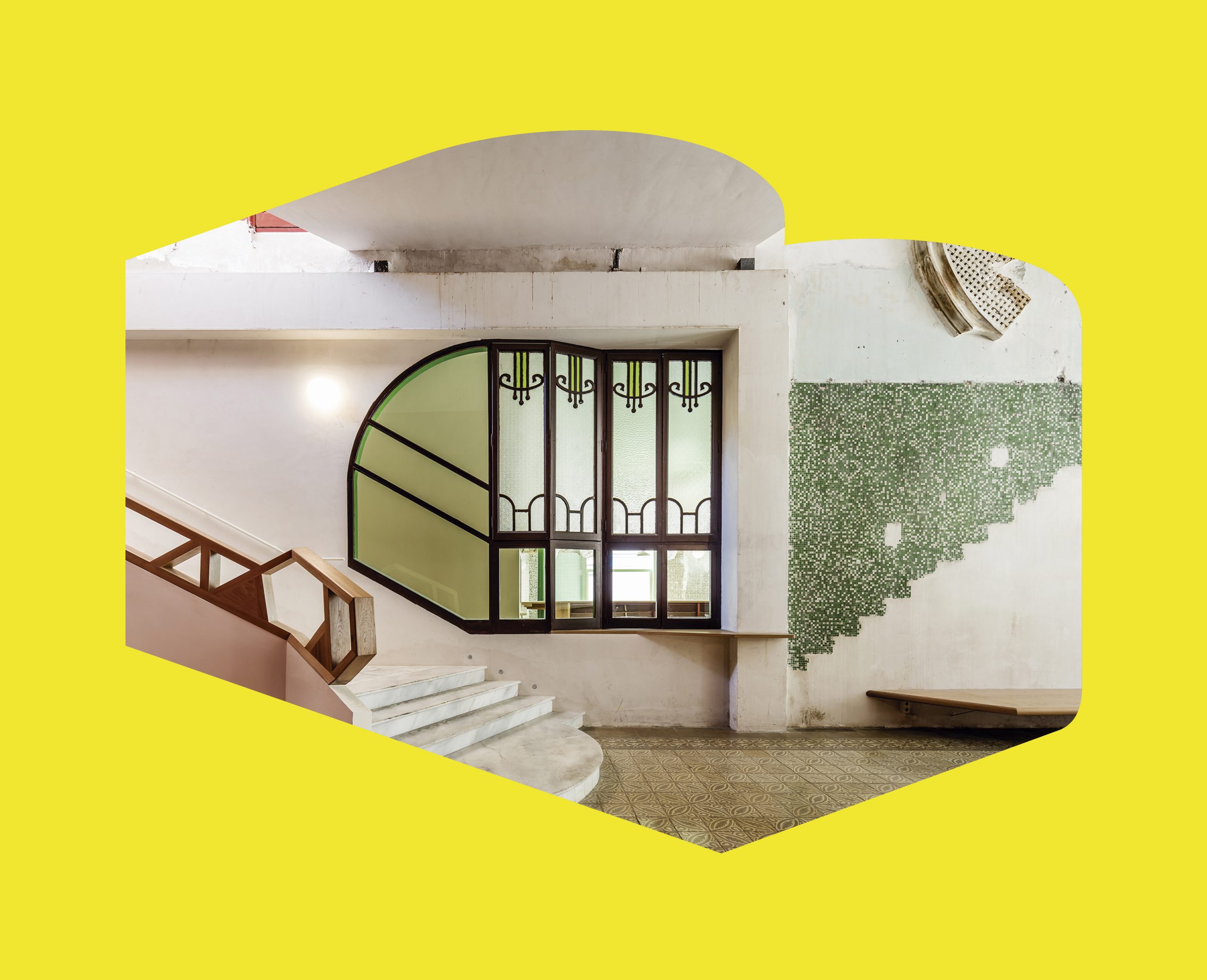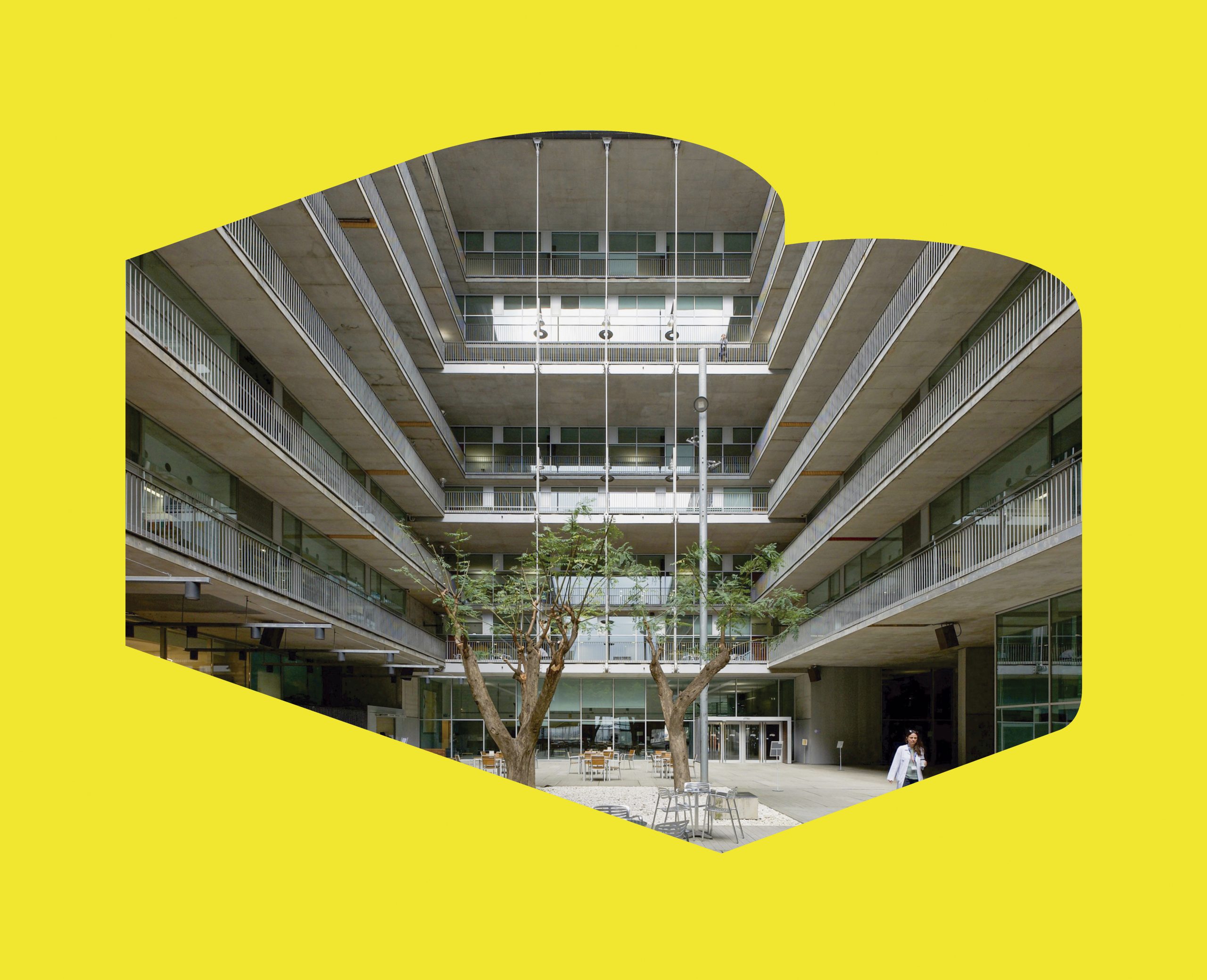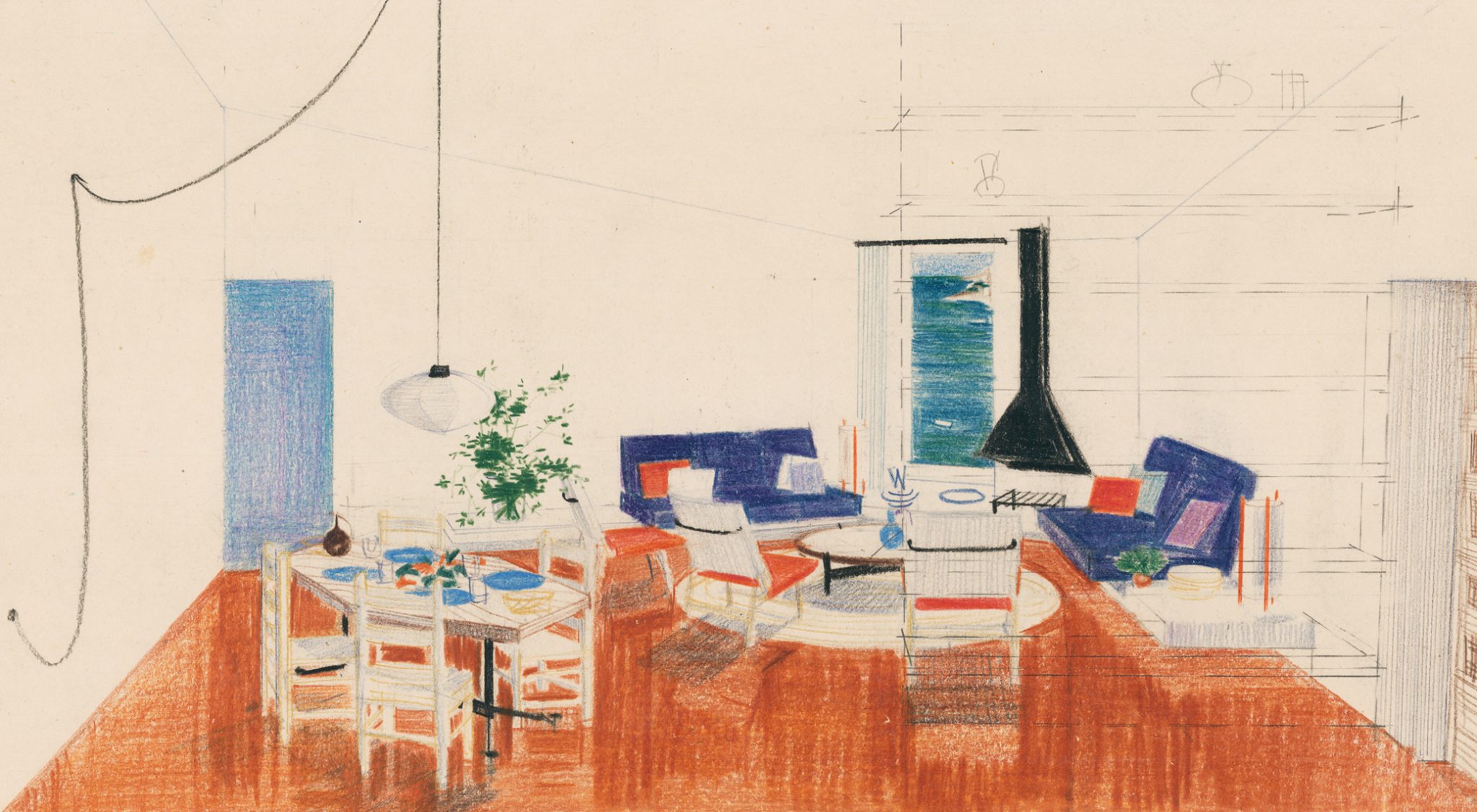
In the mid-1950s, Cadaqués provided the ideal conditions for Federico Correa and Alfonso Milá to develop the skills they had learned under the tutelage of José Antonio Coderch. They soon added their own personal touch, paving the way for a style of intervention in the town that still endures today. Making the most of the original elements of traditional terraced housing, they carefully intervened with the local materials and resources available to make subtle changes and additions that flooded those existing spaces with a surprising and refreshing modernity, appealing to a new way of living.
The still sporadic —but growing— adventures of the Barcelona bourgeoisie to the Costa Brava as a tourist destination led Correa and Milá to receive their first commission to build a house for Javier Villavecchia in the Port of Alguer in Cadaqués.
The decisions reflected in this work can be summarised as follows: a raised loggia that reverses the daytime and nighttime uses of the house, allowing the sea views to be enjoyed from the living-dining room; the built-in furniture; the austerity of resources; respect for what already exists and the sublimation of the urban fabric of the old town, linked to a certain hedonism that the summer house typology allows. These decisions are repeated in his subsequent interventions.
Gradually, a more experimental line was drawn parallel to the first isolated buildings, influenced by the increasingly notable relationship with Italy, with the Rumeu House as the most striking and certainly the most brilliant example.
This romance with Cadaqués lasted for more than two decades, during which time they carried out almost fifty projects, many of them built, some of which became benchmarks of modernity in the country. Their experience in the village coexisted with other unique works by other masters of architecture such as Coderch himself and Francisco Juan Barba Corsini, but above all with the very significant work of foreigners who had settled in Cadaqués, Peter Harnden and Lanfranco Bombelli, who brought exoticism and artistic sensitivity to this approach initiated by Correa and Milá.
 16
16