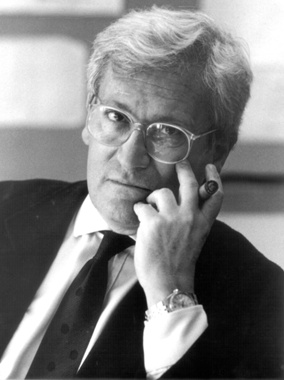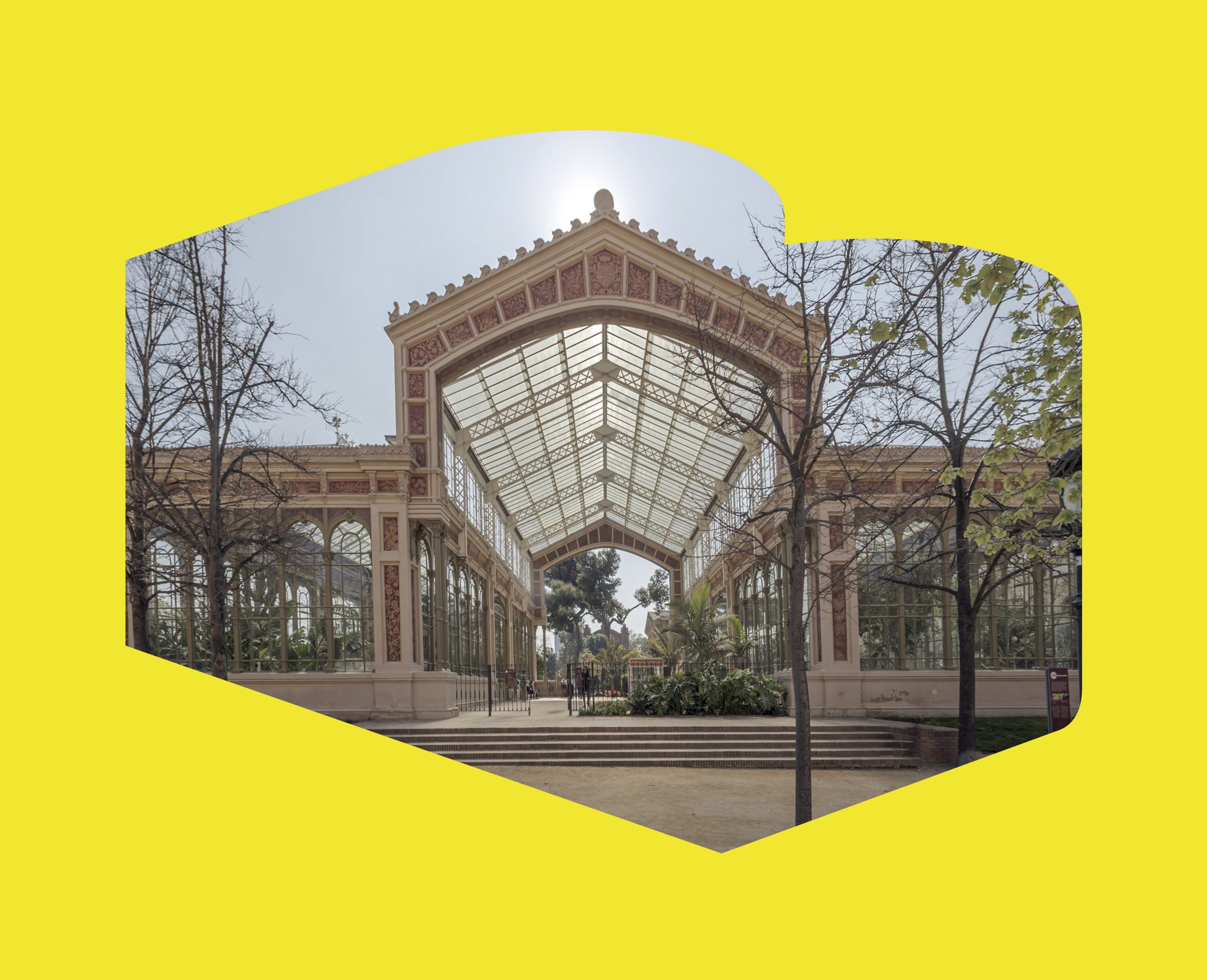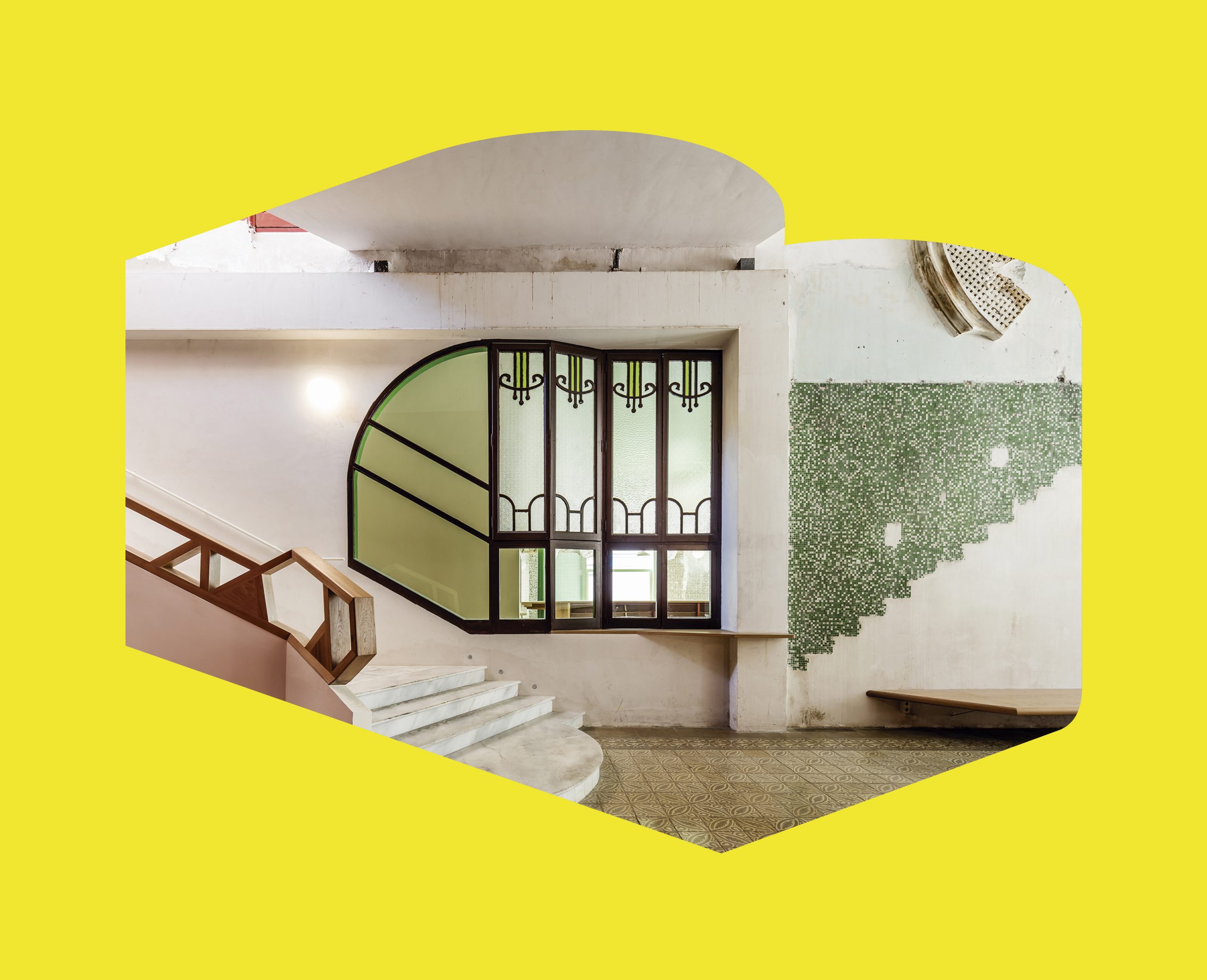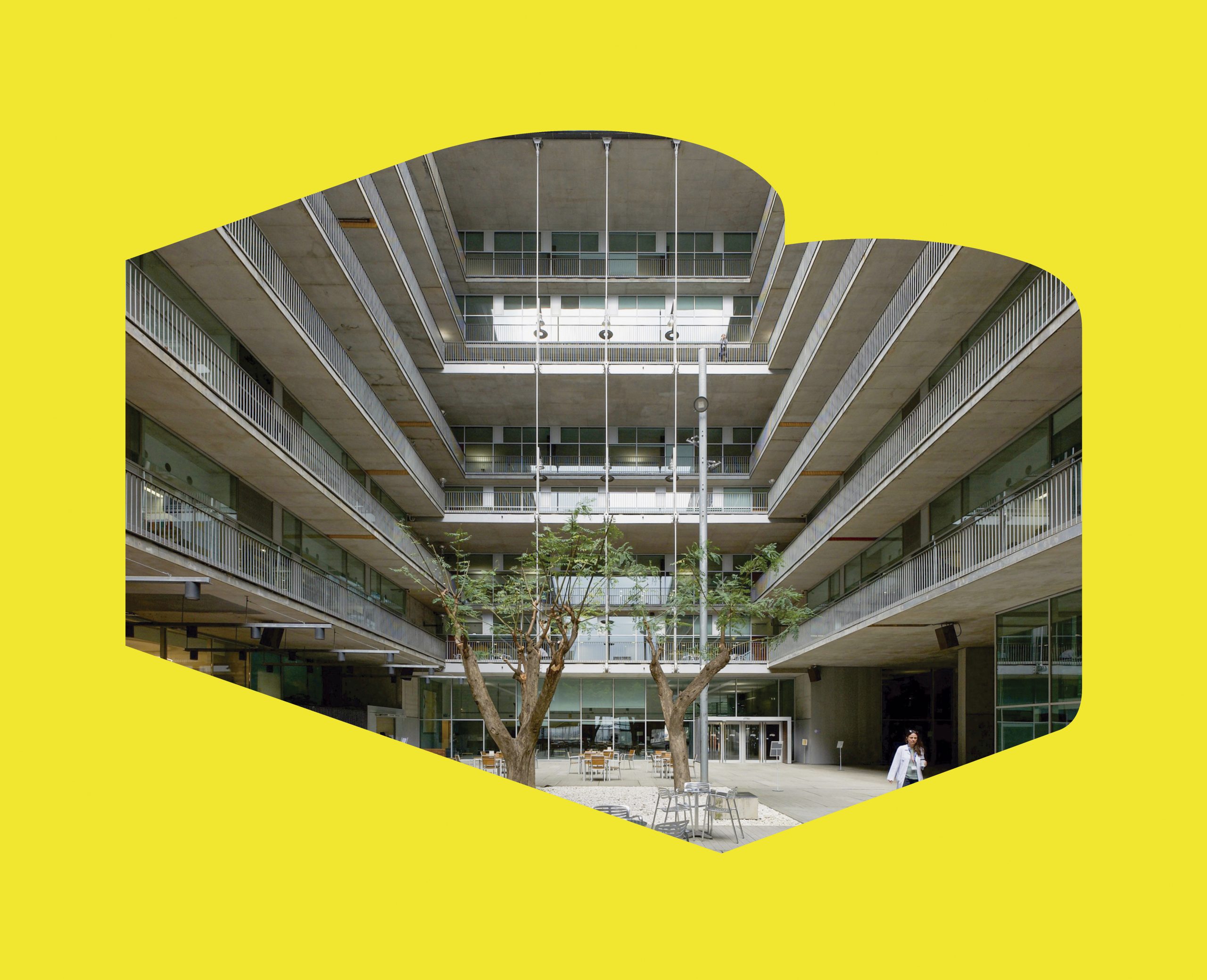
The Vila Olímpica Development Plan project placed the tools needed to tackle urban changes at the centre of local debate. Oriol Bohigas, who considered the general plans obsolete due to their lack of precision in terms of specific transformations to the city (coefficients, articles, numbers, etc.), proposed the project as a tool for urban development, with architecture as the driving force behind the city.
The proposal, which would accommodate the residences of the athletes participating in the 1992 Barcelona Olympic Games, made a clean sweep and eliminated any trace of the old industrial neighbourhood, with its low-value factories and plots of land typical of self-build appropriation, and proposed the arrival of the Eixample Cerdà grid. This achieved the idea behind the slogan of opening the city to the sea, defining a new seafront that looked to the future with the creation of a new, albeit artificial, neighbourhood.
To carry out the operation, Bohigas has adopted the criterion of selecting teams of architects who have won a FAD Award in the previous thirty years, demonstrating his confidence that good architectural design will be the driving force behind a good living space. The MBM team will give the designers clear unifying guidelines: the regulatory height, exposed brickwork as a construction element and the limitation of overhangs. It will also propose double and triple islands with the intention of promoting Ildefons Cerdà‘s ideal, populating their interior with smaller buildings in passageways or isolated blocks. A whole repertoire of form and layout to give complexity to a new neighbourhood without falling into the traps of the modern movement’s proposals, but which, deep down, has still not been able to escape its original sin: that it was built on a plan. It will be time that ends up shaping it, the shape of the people who live and inhabit it.
 3
3