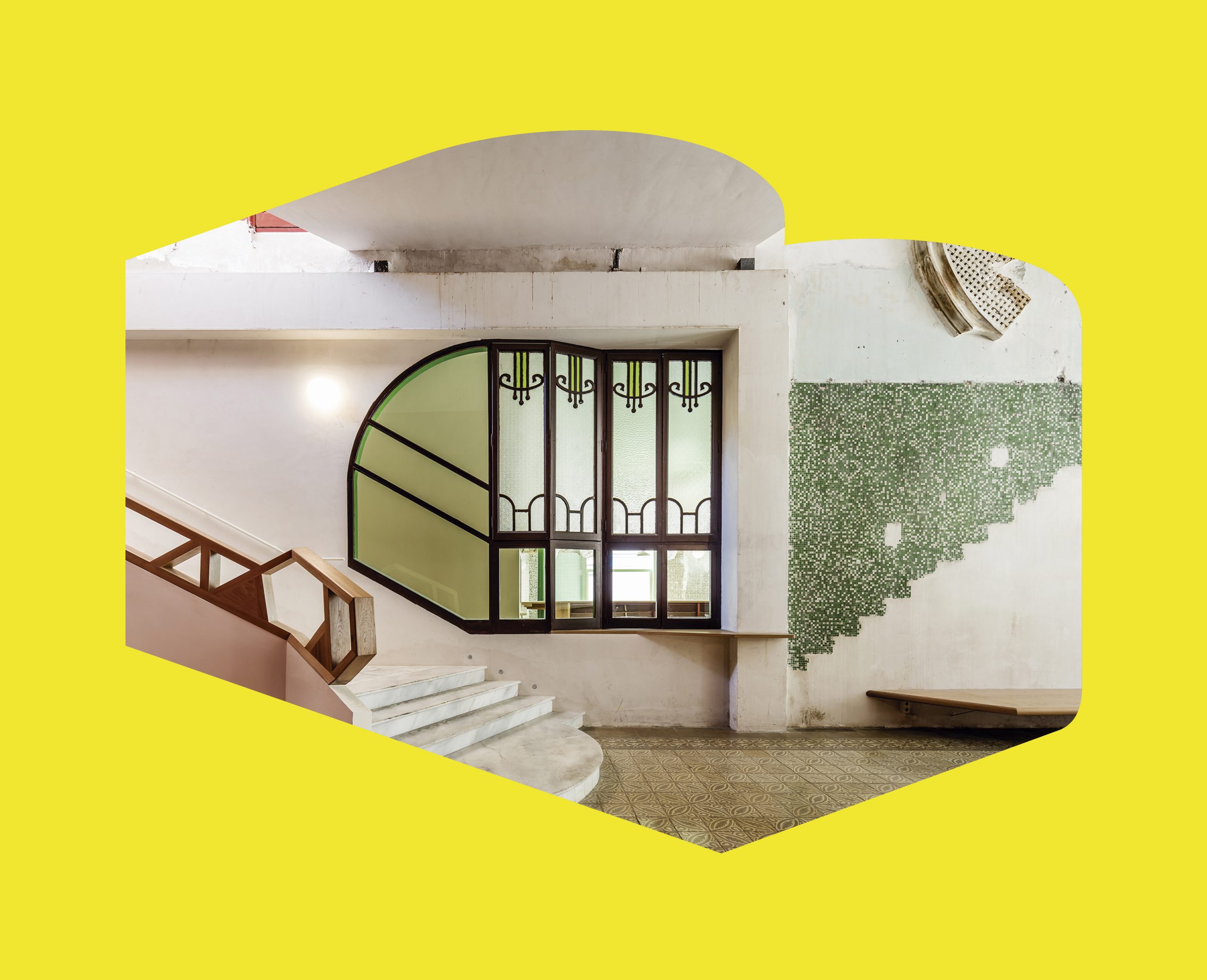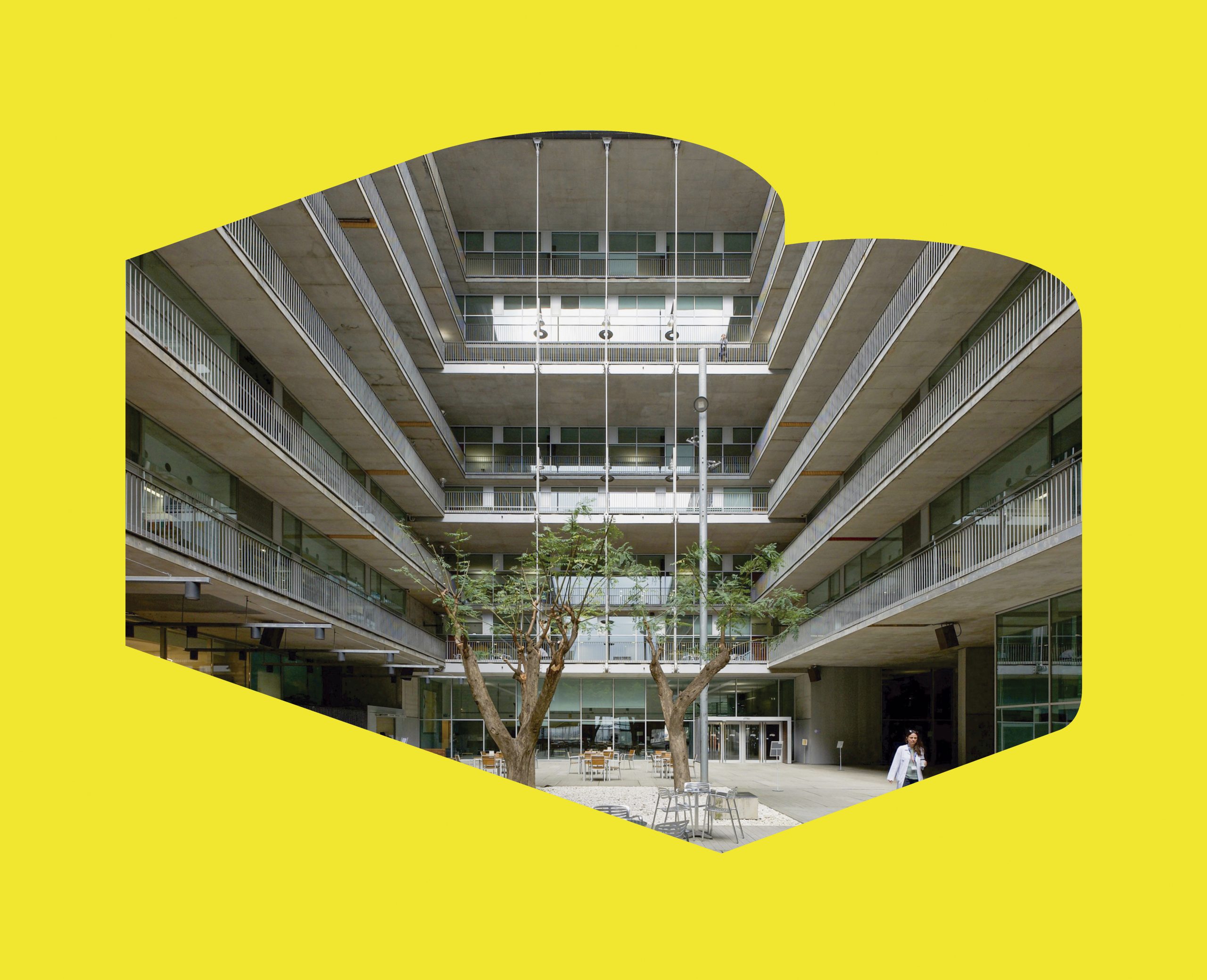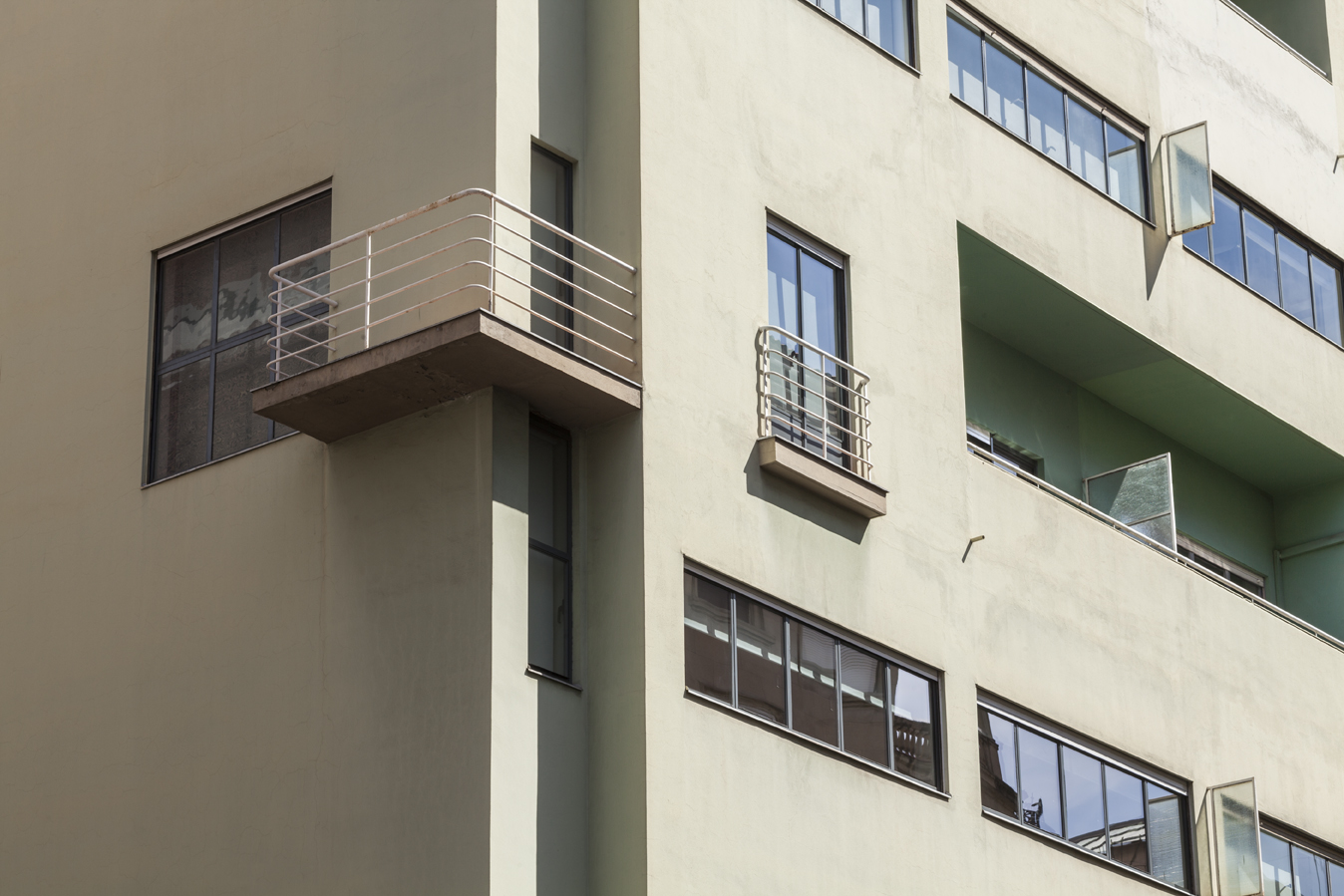
We usually associate Rationalism with the orthodoxy of GATCPAC, an essential reference point for local modernity. But beyond radicalism, black and white, we find a range of greys where we can include other architectures that, with varying degrees of intensity and with different references and aspirations, applied the precepts of avant-garde architecture. With influences that always came from experiments beyond the Pyrenees, we can affirm that there are many examples that already point to a definitive overcoming of Modernism or Noucentisme, or that, little by little, are becoming a phase of its metamorphosis. And many of these approaches predate the presentation of GATCPAC to society in April 1929.
In the Sant Gervasi neighbourhood, and in a not very large area of the city, the number of identifiable works of a certain relevance is remarkable. One of the reasons for this is probably that most of them are privately developed housing projects, in which the family itself or close associates often acted as developers, allowing them to experiment without the expectation of selling. In terms of facilities, there is the Blanquerna School Group, which highlights the rationalist pedagogical concerns that would mark the Republican period in relation to the construction of new schools.
On this tour, we will be able to contrast the purism of the buildings designed by Sert, Illescas, and Rodríguez Arias with the approaches of, for example, Pere Benavent, which, despite the refinement of their language, do not shy away from classical elements in the composition of the façades, such as tribunes and crowning arches. It is through the appreciation and diversity of these nuances that rationalism becomes greater and helps us to change centuries. Its lessons endure.
 6
6
 1
1