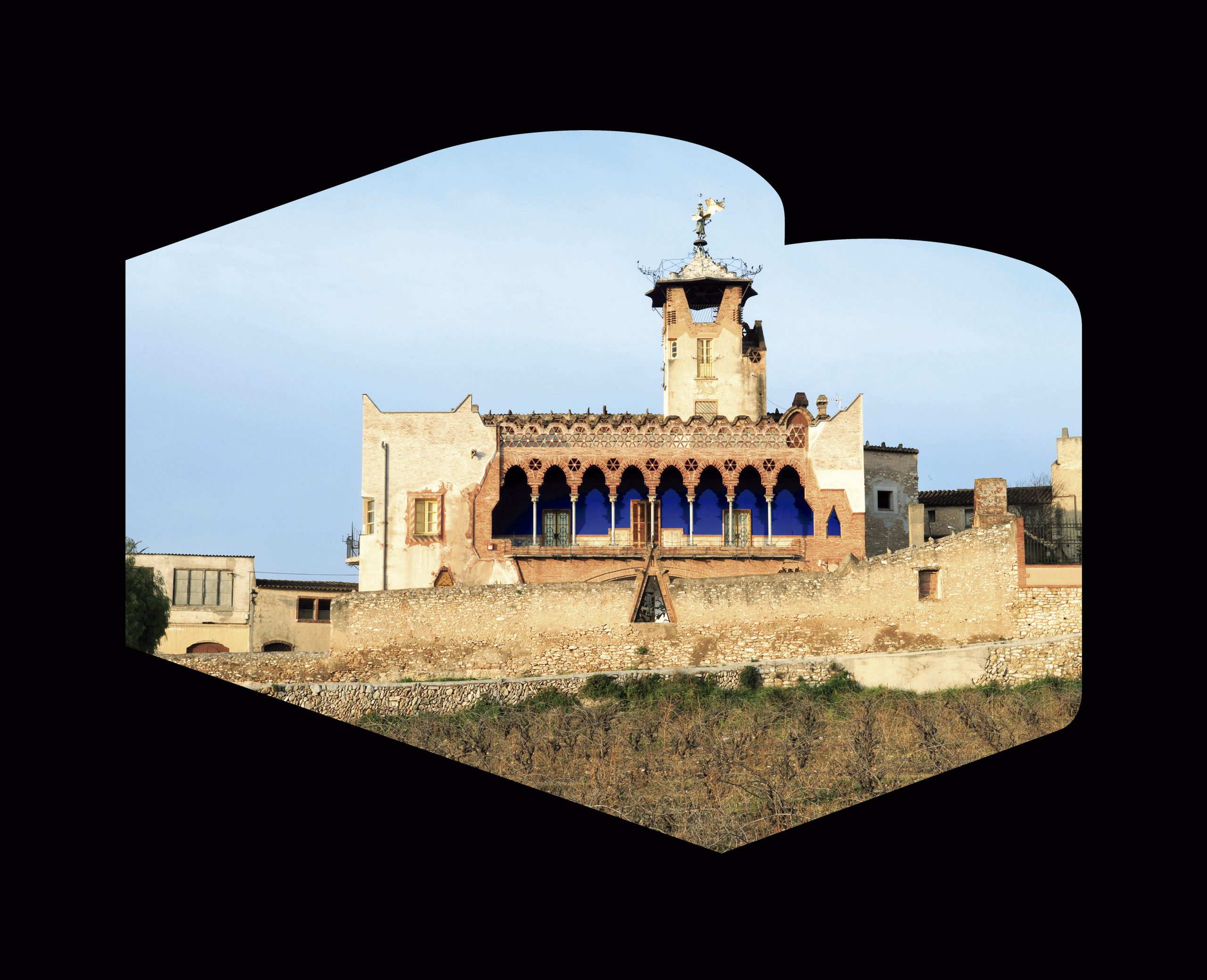
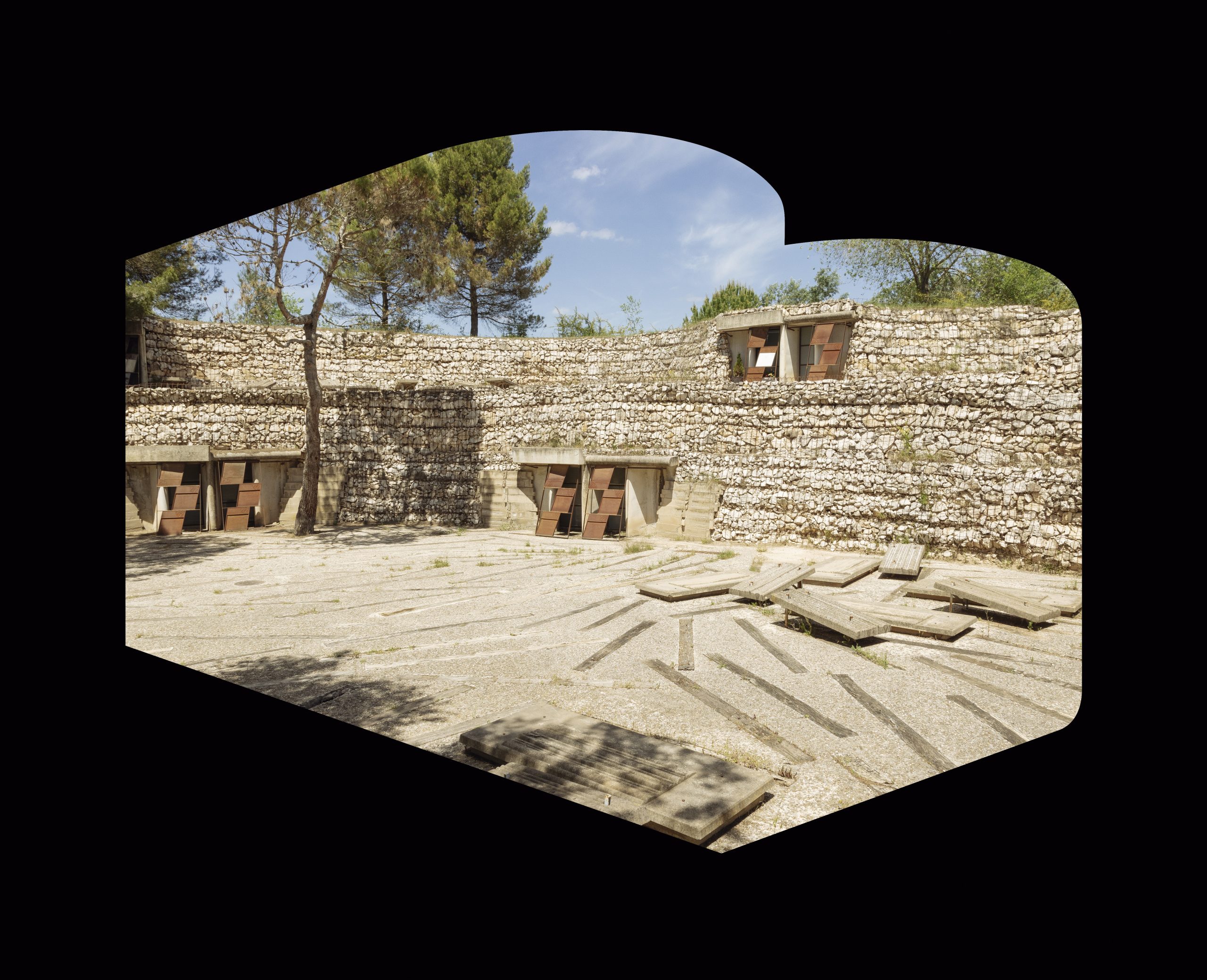
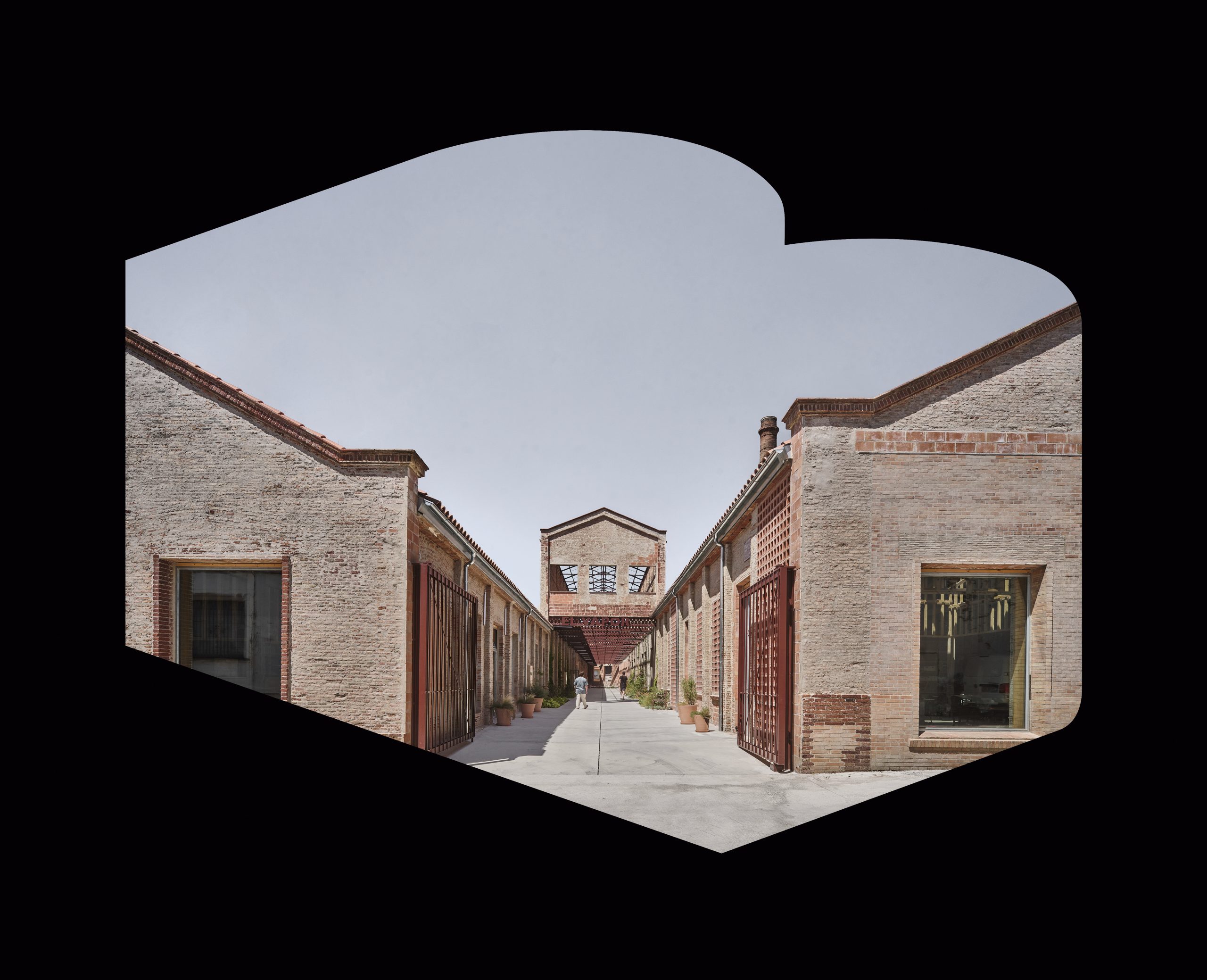
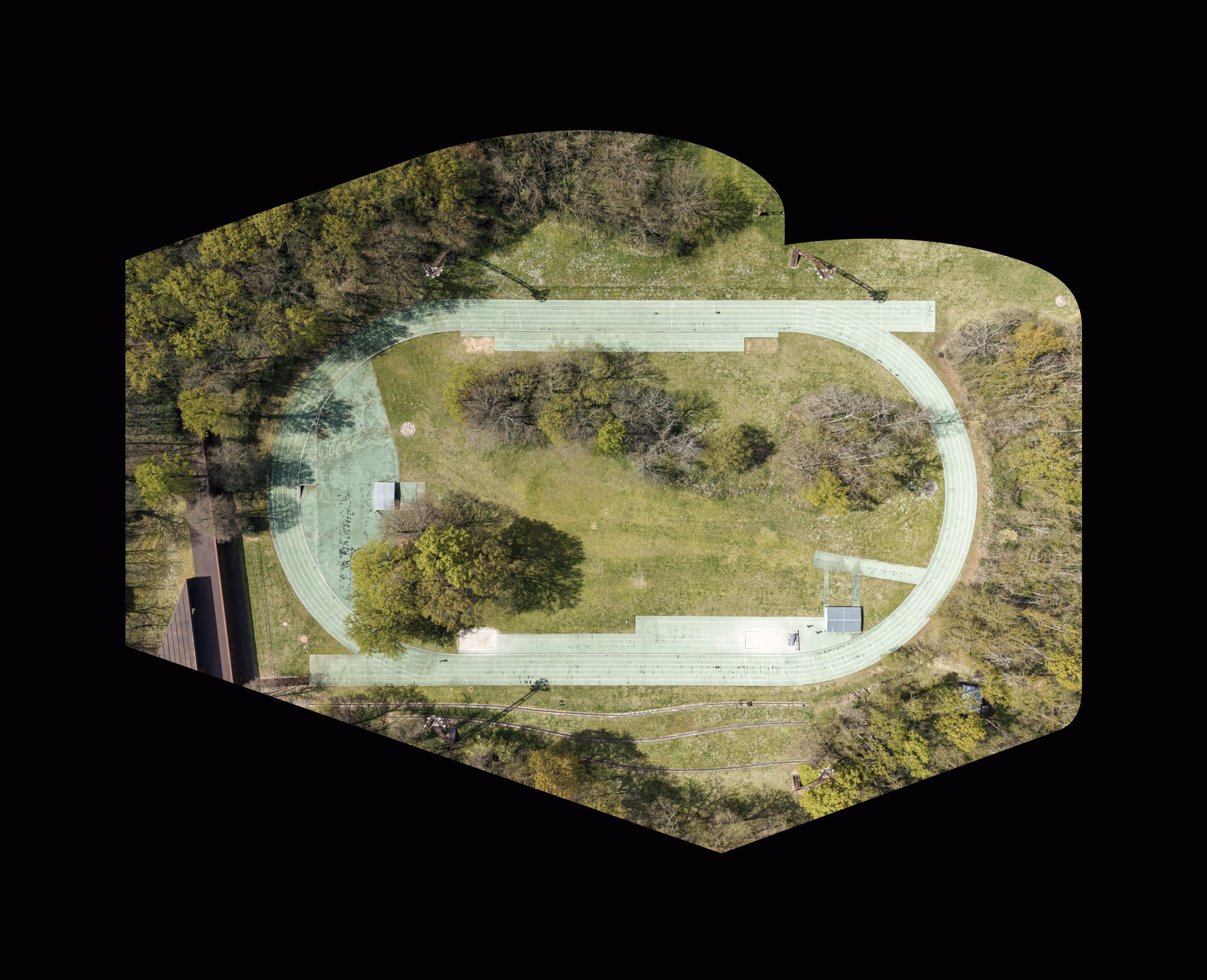
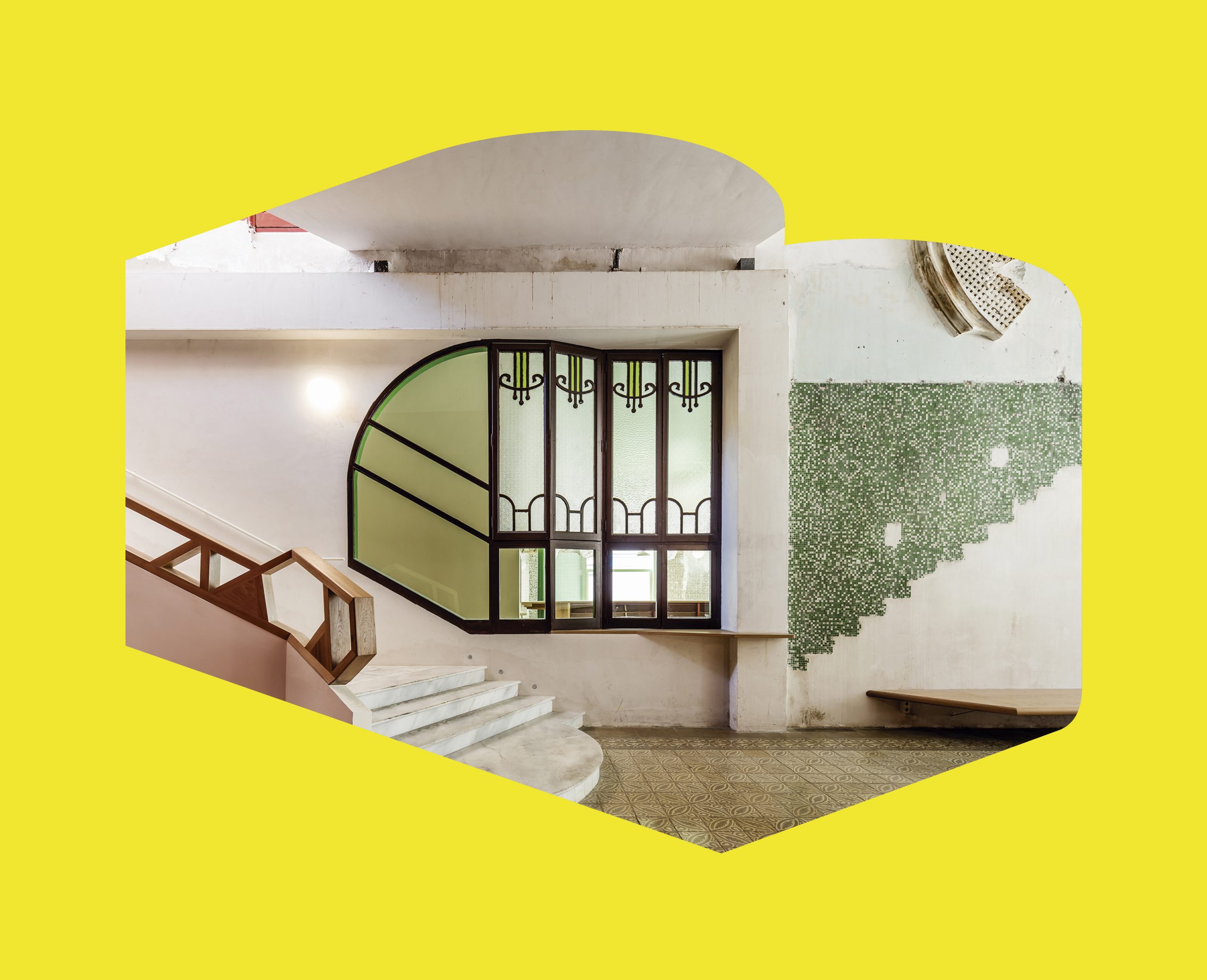
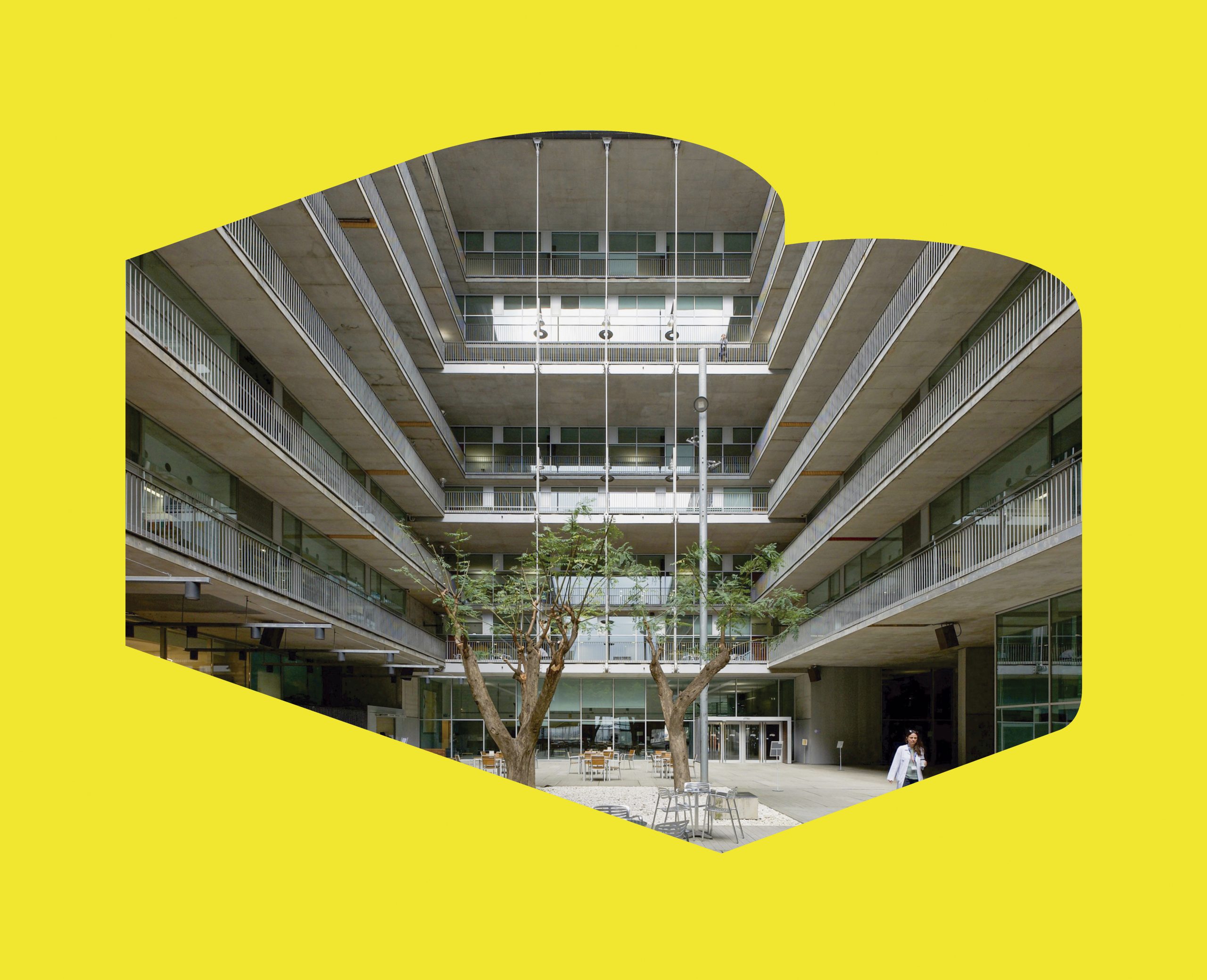
In this first stage, the catalogue focuses on the modern and contemporary architecture designed and built between 1832 –year of construction of the first industrial chimney in Barcelona that we establish as the beginning of modernity– until today.
The project is born to make the architecture more accessible both to professionals and to the citizens through a website that is going to be updated and extended. Contemporary works of greater general interest will be incorporated, always with a necessary historical perspective, while gradually adding works from our past, with the ambitious objective of understanding a greater documented period.
The collection feeds from multiple sources, mainly from the generosity of architectural and photographic studios, as well as the large amount of excellent historical and reference editorial projects, such as architectural guides, magazines, monographs and other publications. It also takes into consideration all the reference sources from the various branches and associated entities with the COAC and other collaborating entities related to the architectural and design fields, in its maximum spectrum.
Special mention should be made of the incorporation of vast documentation from the COAC Historical Archive which, thanks to its documental richness, provides a large amount of valuable –and in some cases unpublished– graphic documentation.
The rigour and criteria for selection of the works has been stablished by a Documental Commission, formed by the COAC’s Culture Spokesperson, the director of the COAC Historical Archive, the directors of the COAC Digital Archive, and professionals and other external experts from all the territorial sections that look after to offer a transversal view of the current and past architectural landscape around the territory.
The determination of this project is to become the largest digital collection about Catalan architecture; a key tool of exemplar information and documentation about architecture, which turns into a local and international referent, for the way to explain and show the architectural heritage of a territory.
Aureli Mora i Omar Ornaque Directors arquitecturacatalana.cat
credits
About us
Project by:
Created by:
Directors:
2019-2026Aureli Mora i Omar Ornaque
Documental Commission:
2019-2026 Ramon FauraCarolina B. GarciaEduard CallísFrancesc RafatPau Albert Antoni López DaufíJoan FalguerasMercè BoschJaume FarrenyAnton PàmiesJuan Manuel ZaguirreJosep FerrandoGemma FerréInés de RiveraFernando MarzáMoisés PuenteAureli MoraOmar Ornaque
Collaborators:
2019-2026Lluis AndreuSergi BallesterMarianela PlaMaria Jesús QuinteroLucía M. VillodresMontse Viu
External Collaborators:
2019-2026Helena CepedaInès Martinel
With the support of:
Generalitat de Catalunya. Departament de Cultura
Collaborating Entities:
ArquinFAD
Fundació Mies van der Rohe
Fundación DOCOMOMO Ibérico
Basílica de la Sagrada Família
Museu del Disseny de Barcelona
Fomento
AMB
EINA Centre Universitari de Disseny i Art de Barcelona
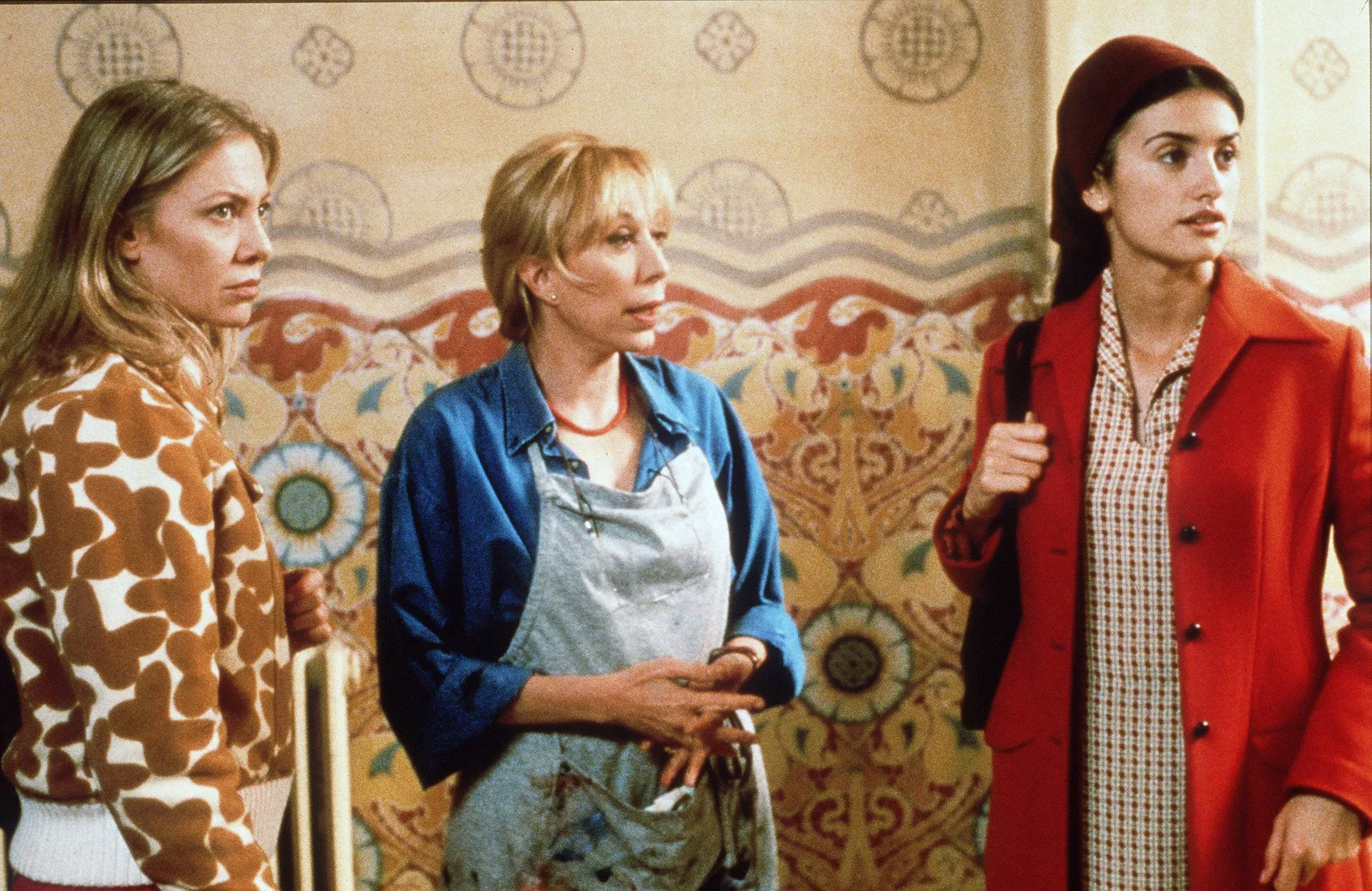
One of Pedro Almodóvar’s most iconic films, released in 1999, has much of it set against the backdrop of the city of Barcelona. Winner of awards at prestigious events such as the Cannes Film Festival, the Golden Globes, the BAFTAs, the Césars and the Goyas, it stands out above the rest for its Oscar for Best Foreign Language Film. Clearly, the selection of architecture accompanying the scenes played a part, in one way or another, in its critical and commercial success.
It is in Barcelona that Manuela (Cecilia Roth) comes to find the father of her son, who recently died in a car accident in Madrid. Accompanied by an old friend, Agrado (Antonia San Juan), but also by Rosa (Penélope Cruz) and Huma (Marisa Paredes), the city is portrayed in such well-known places as the Columbus Monument and the Sagrada Familia, as well as in other corners off the tourist trail, such as Casa Ramos in Lesseps, where Rosa’s parents live, the Hospital del Mar, where Manuela accompanies Rosa to the doctor, and the always picturesque Montjuïc cemetery, where Rosa is buried after dying of AIDS.
Pedro Almodóvar’s artistic director, Antxón Gómez, a Basque living in Barcelona, showed the director from La Mancha different parts of the city so that together they could identify those that would form part of the story of Todo sobre mi madre.
7
Tornar
Si no visioneu el mapa reviseu el vostre consentiment de cookies fent click aquí
Per oferir les millors experiències, utilitzem tecnologies com ara galetes per emmagatzemar i/o accedir a la informació del dispositiu. Donar el consentiment a aquestes tecnologies ens permetrà processar dades com ara el comportament de navegació o identificadors únics en aquest lloc. No consentir o retirar el consentiment, pot afectar negativament determinades característiques i funcions.
Funcional
Always active
L'emmagatzematge o accés tècnic és estrictament necessari amb la finalitat legítima de permetre l'ús d'un determinat servei sol·licitat explícitament per l'abonat o usuari, o amb l'única finalitat de realitzar la transmissió d'una comunicació a través d'una xarxa de comunicacions electròniques.
Preferències
The technical storage or access is necessary for the legitimate purpose of storing preferences that are not requested by the subscriber or user.
Estadístiques
The technical storage or access that is used exclusively for statistical purposes.The technical storage or access that is used exclusively for anonymous statistical purposes. Without a subpoena, voluntary compliance on the part of your Internet Service Provider, or additional records from a third party, information stored or retrieved for this purpose alone cannot usually be used to identify you.
Màrqueting
The technical storage or access is required to create user profiles to send advertising, or to track the user on a website or across several websites for similar marketing purposes.


 7
7