The Mediterranean motorway, or AP-7, is the main road linking the entire Spanish Mediterranean coast, from Algeciras to La Jonquera, with France. The first section, between Barcelona and Granollers, was inaugurated in 1969. It was born as an initiative of the World Bank and was widely used for propaganda by Franco’s developmentalism as a symbol of progress and the starting point for Spanish consumer society.
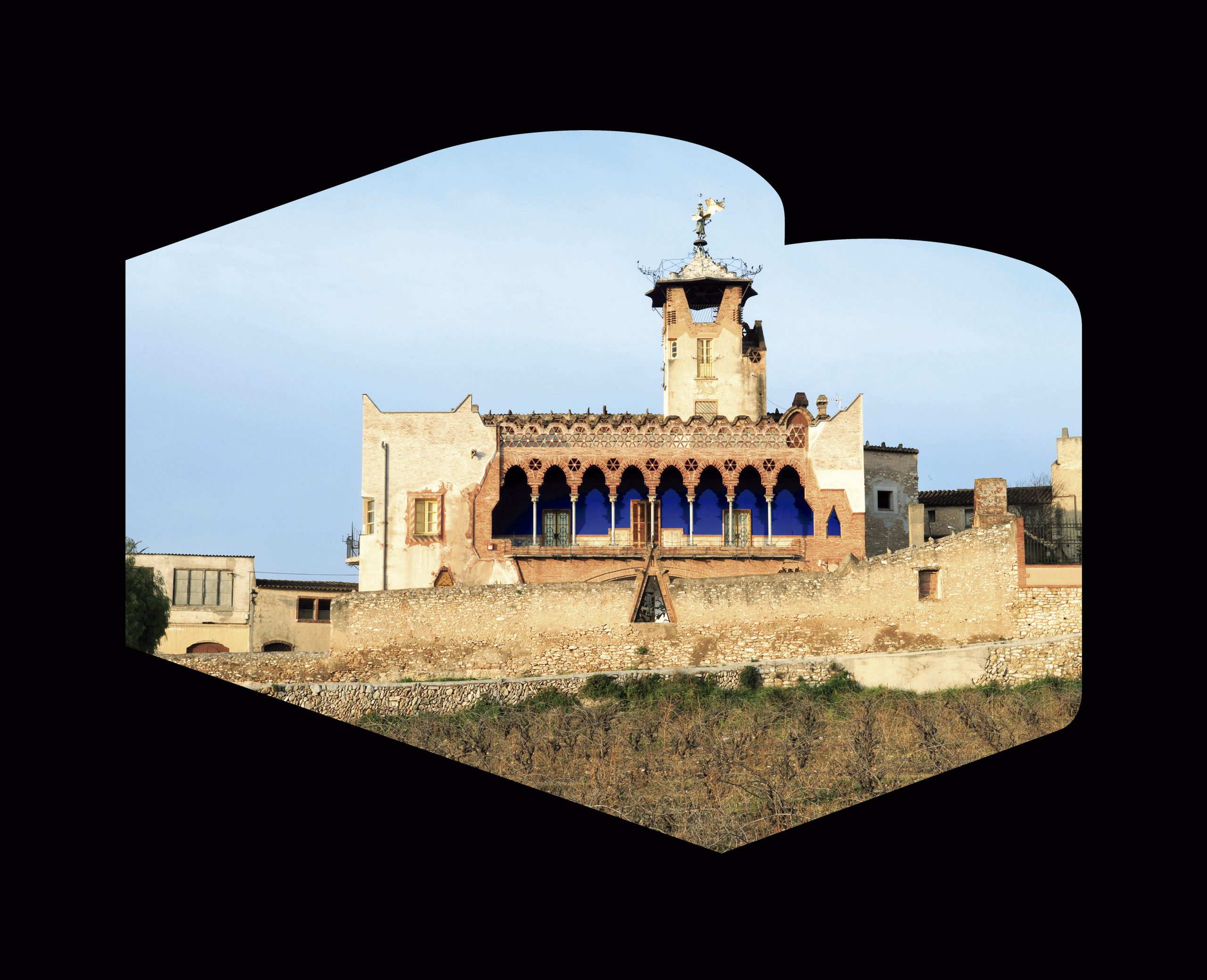
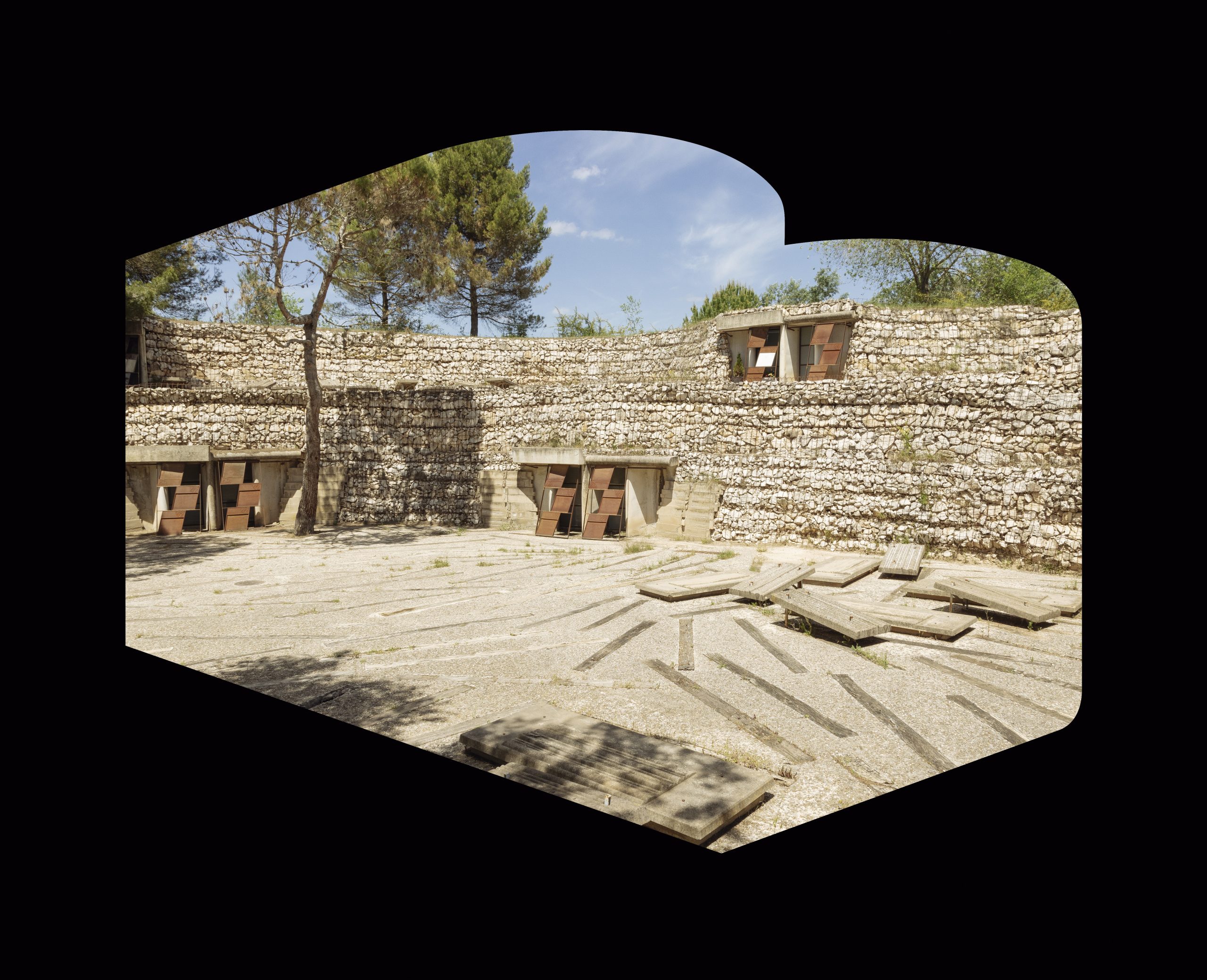
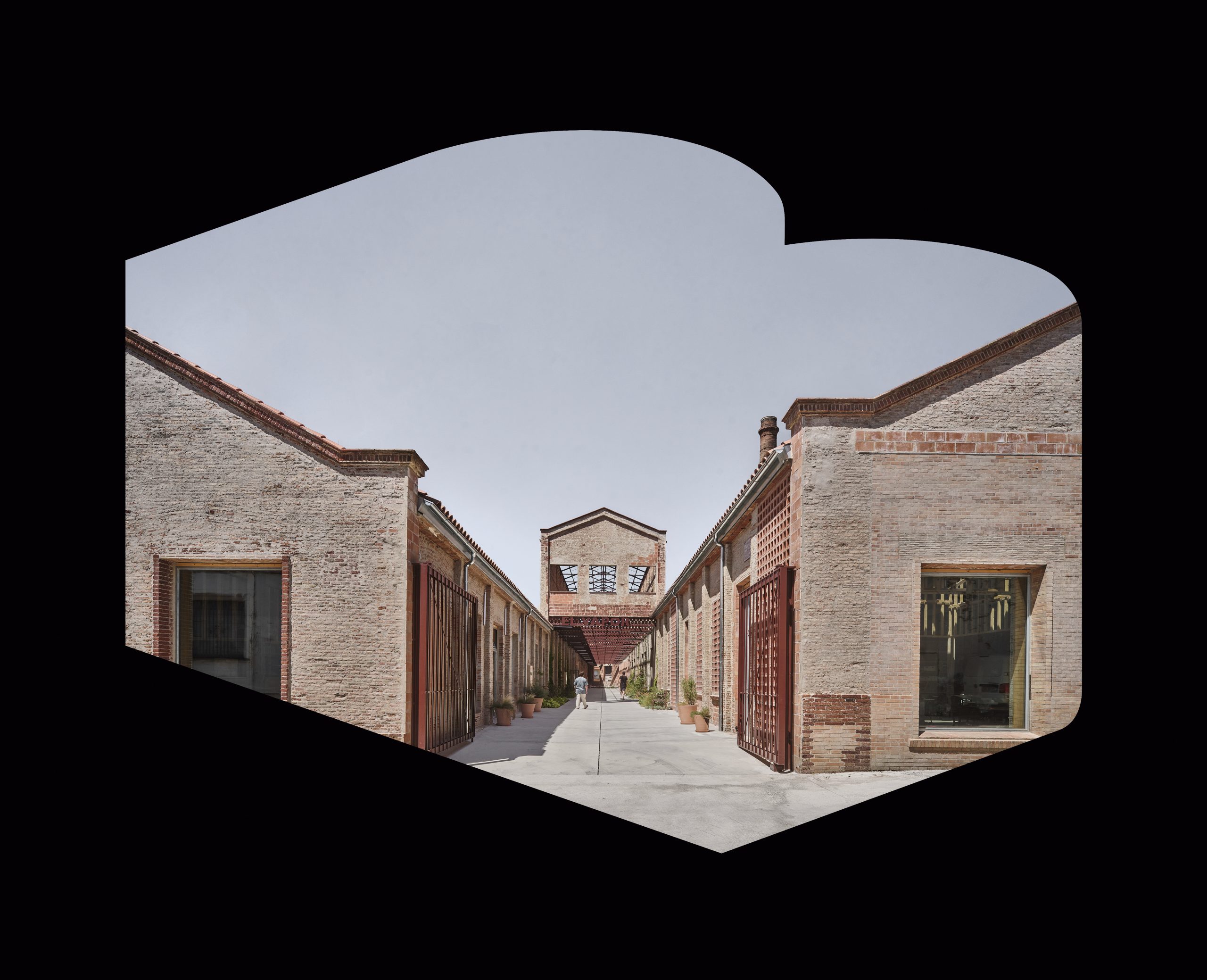
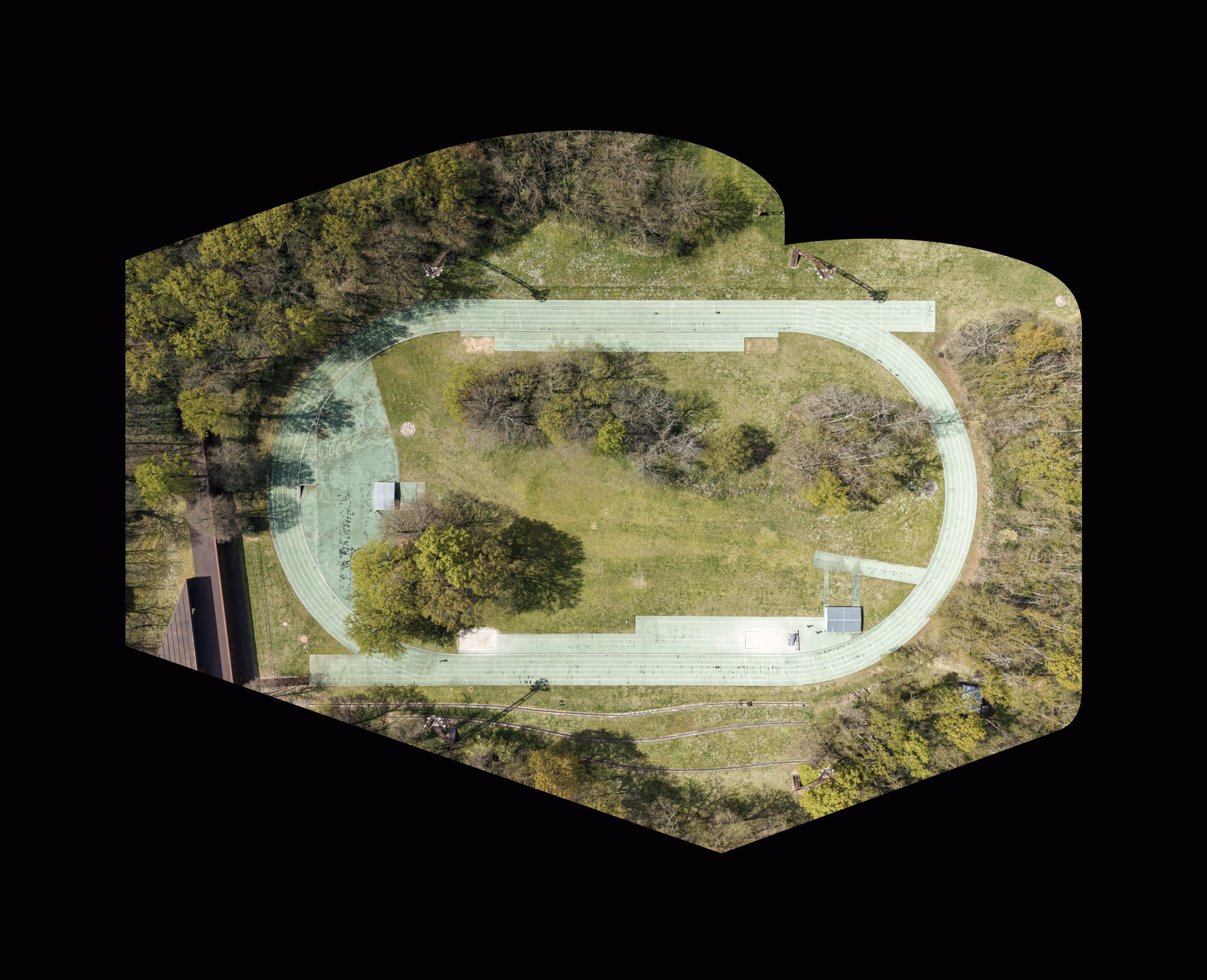
Today, the image of the motorway is far removed from the optimistic fascination of the 1970s, and the landscape that accompanies us along the way provokes a sense of strangeness. We encourage you to take this road trip through our country, punctuated by architectural features whose interest is not always obvious, with the aim of overcoming your bewilderment and transforming it into curiosity.
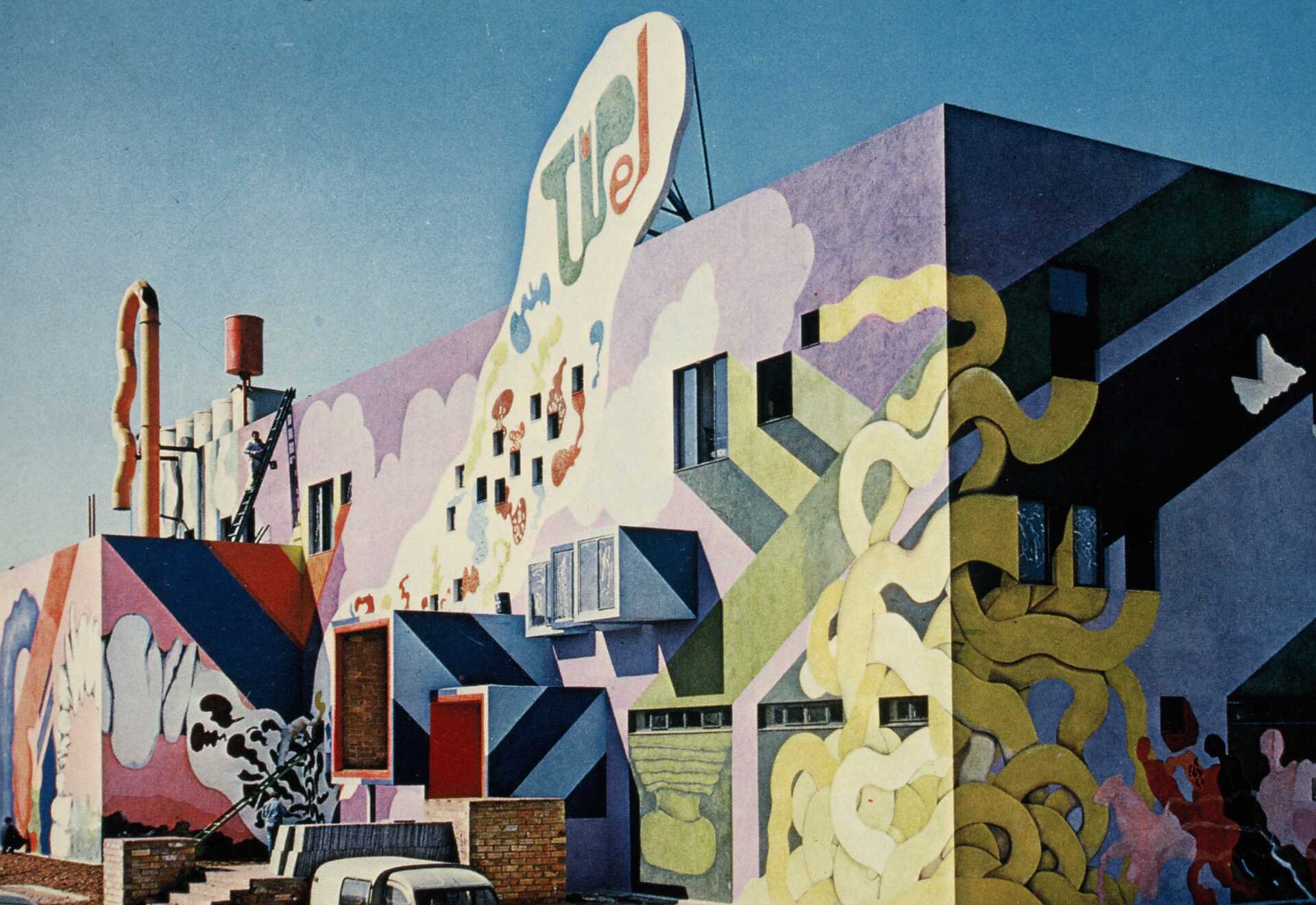
The margins of this infrastructure feature numerous landmarks that demand our attention from the road, such as the toll booths themselves, with their unique design and updated on the ACESA sections by Moreno Lacomba Setoain, many of which have disappeared or been abandoned due to the motorway liberalisation process. We also find factories and commercial buildings that try to use their unique location to their advantage, such as the Tipel factory or the iGuzzini headquarters, which plays at being a light itself.
If you need to take a break during your journey, you will find examples at service stations and rest areas that, like their unique architectural style, not only attract attention on both sides of the road, but also dare to cross it. From south to north, we find the bridge at the Penedès service area, the light footbridge at the Porta de Barcelona, the unusual cluster of cabins at the Montseny service area, the panoramic restaurant at Maçanet de la Selva, and, finally, the striking Porta Catalana, designed by Josep Lluís Catalana and Jaume Freixa.
 4
4