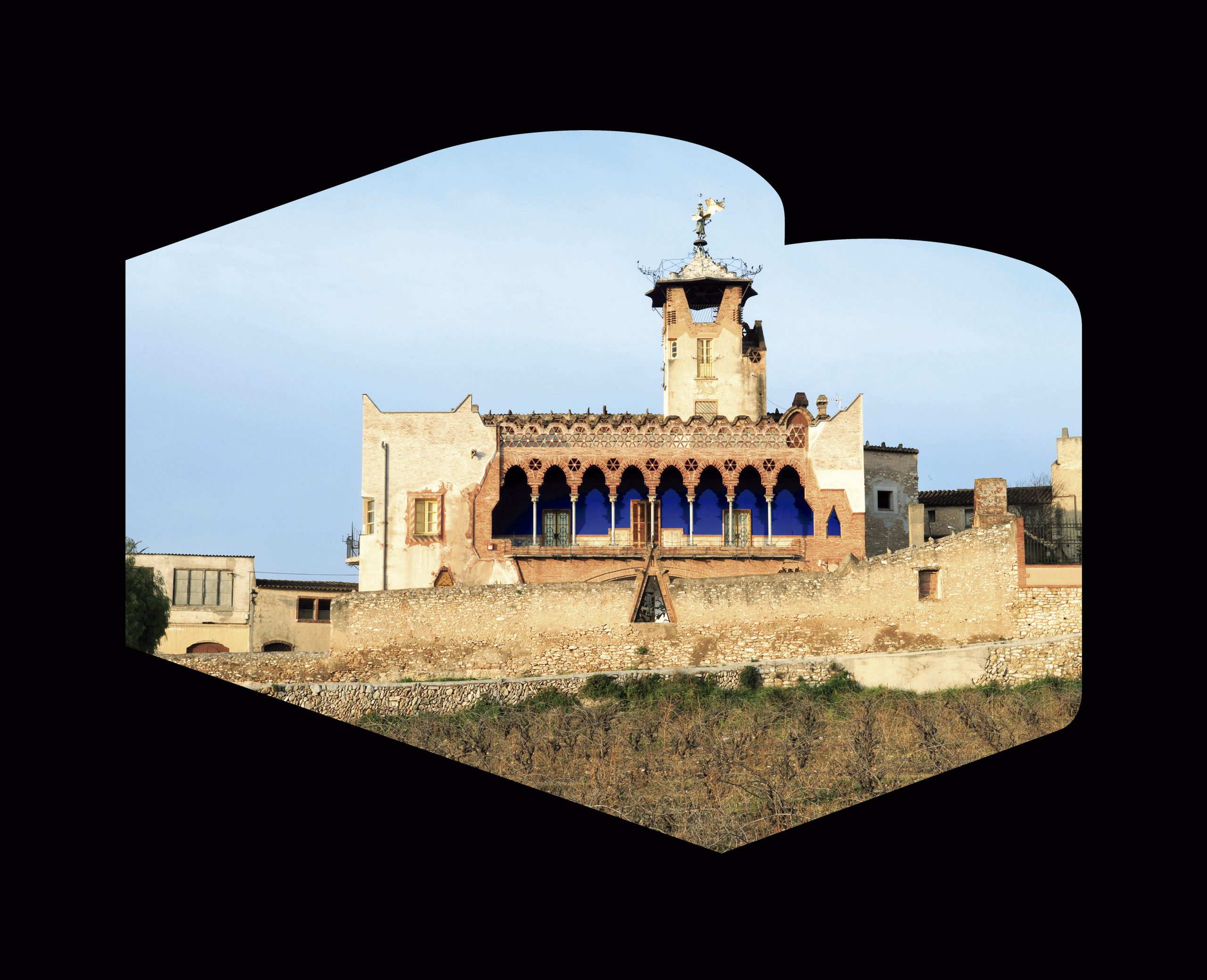
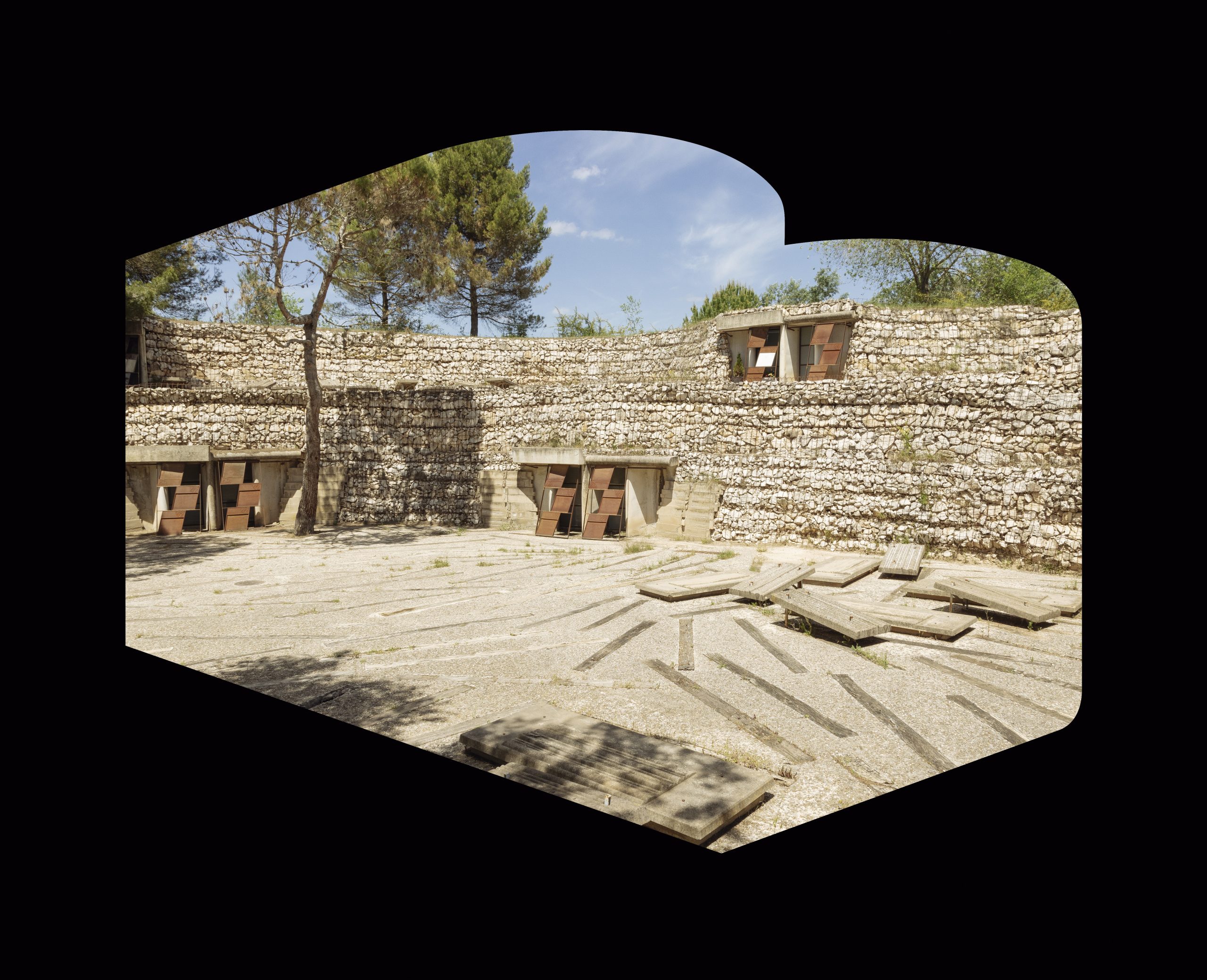
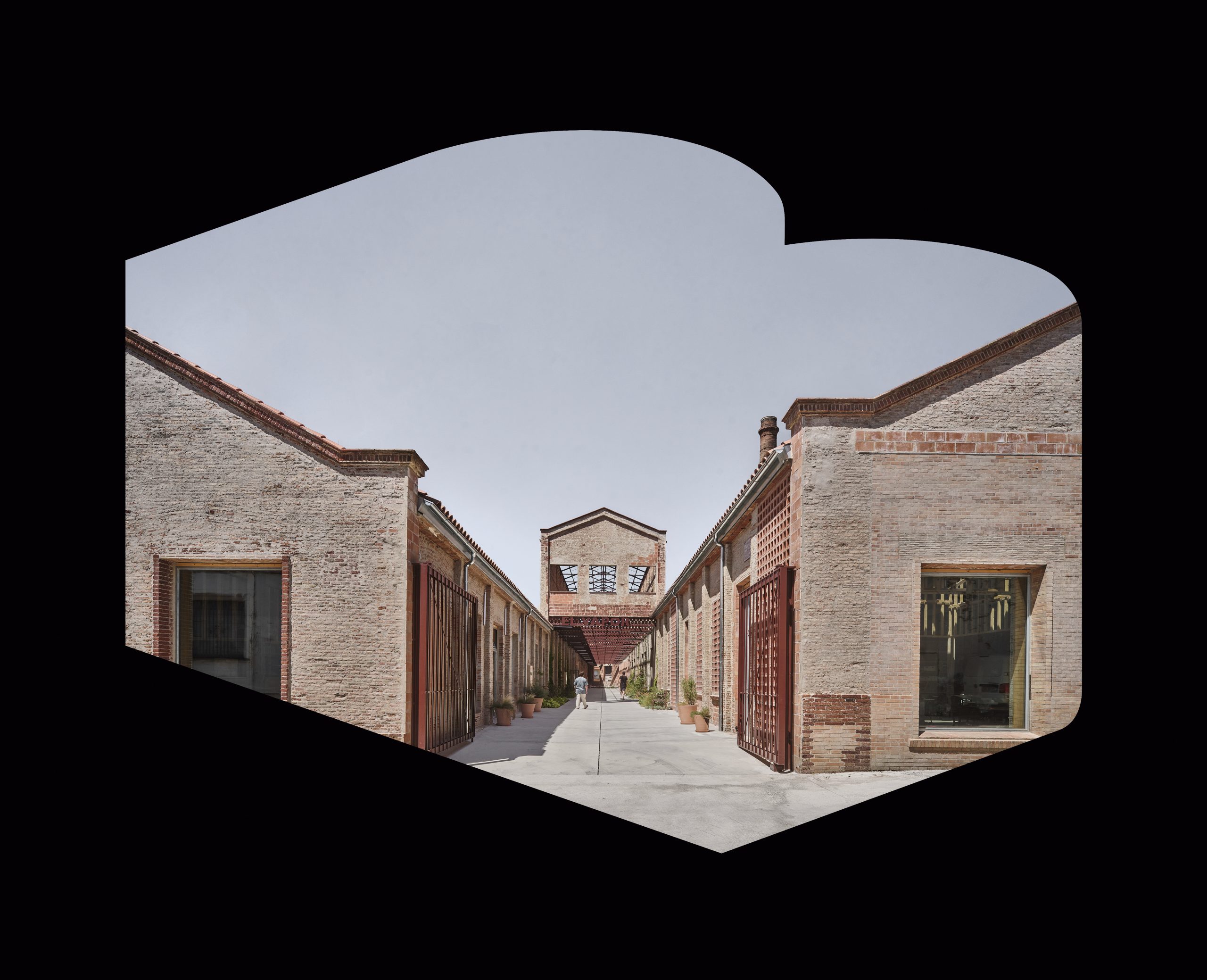
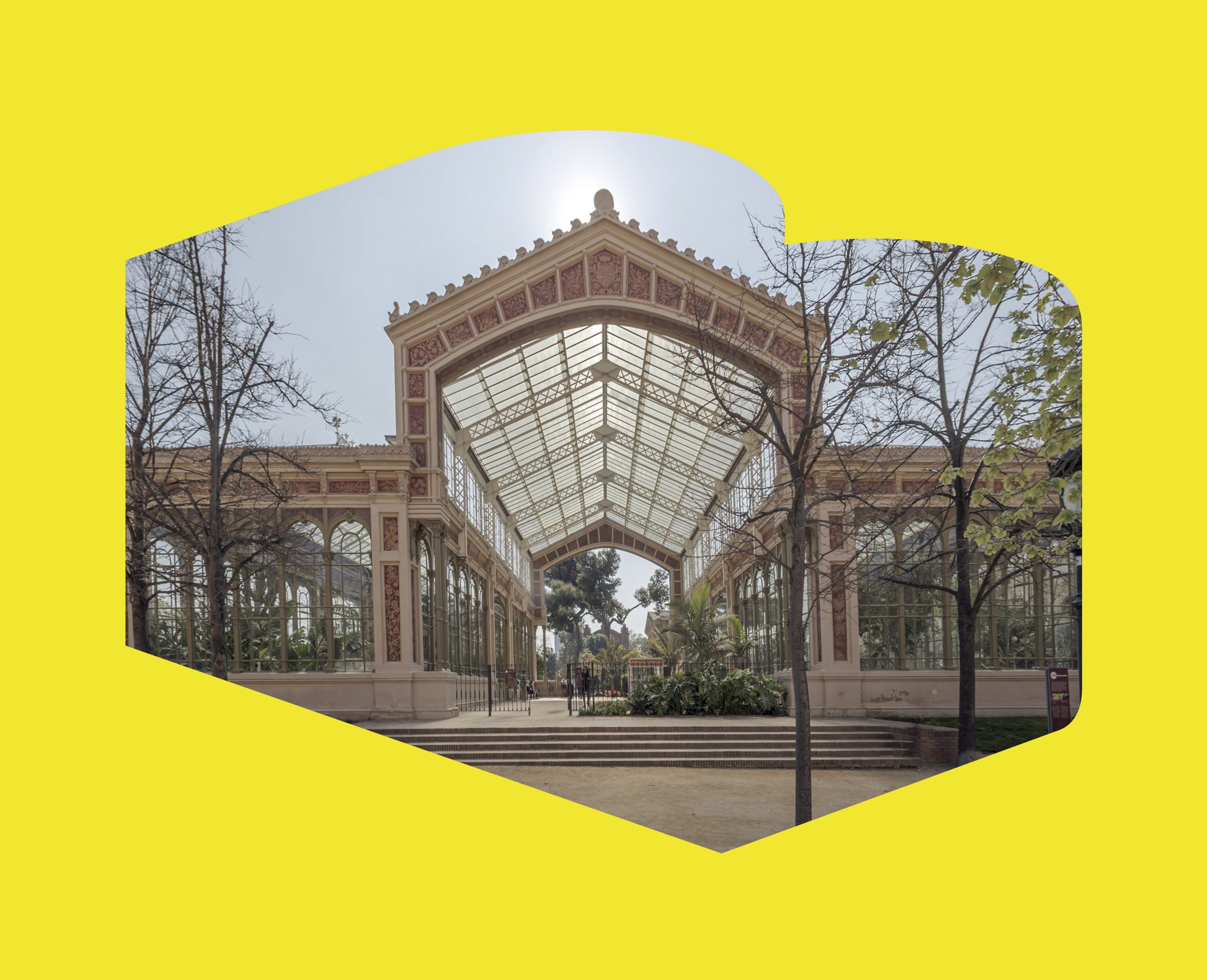
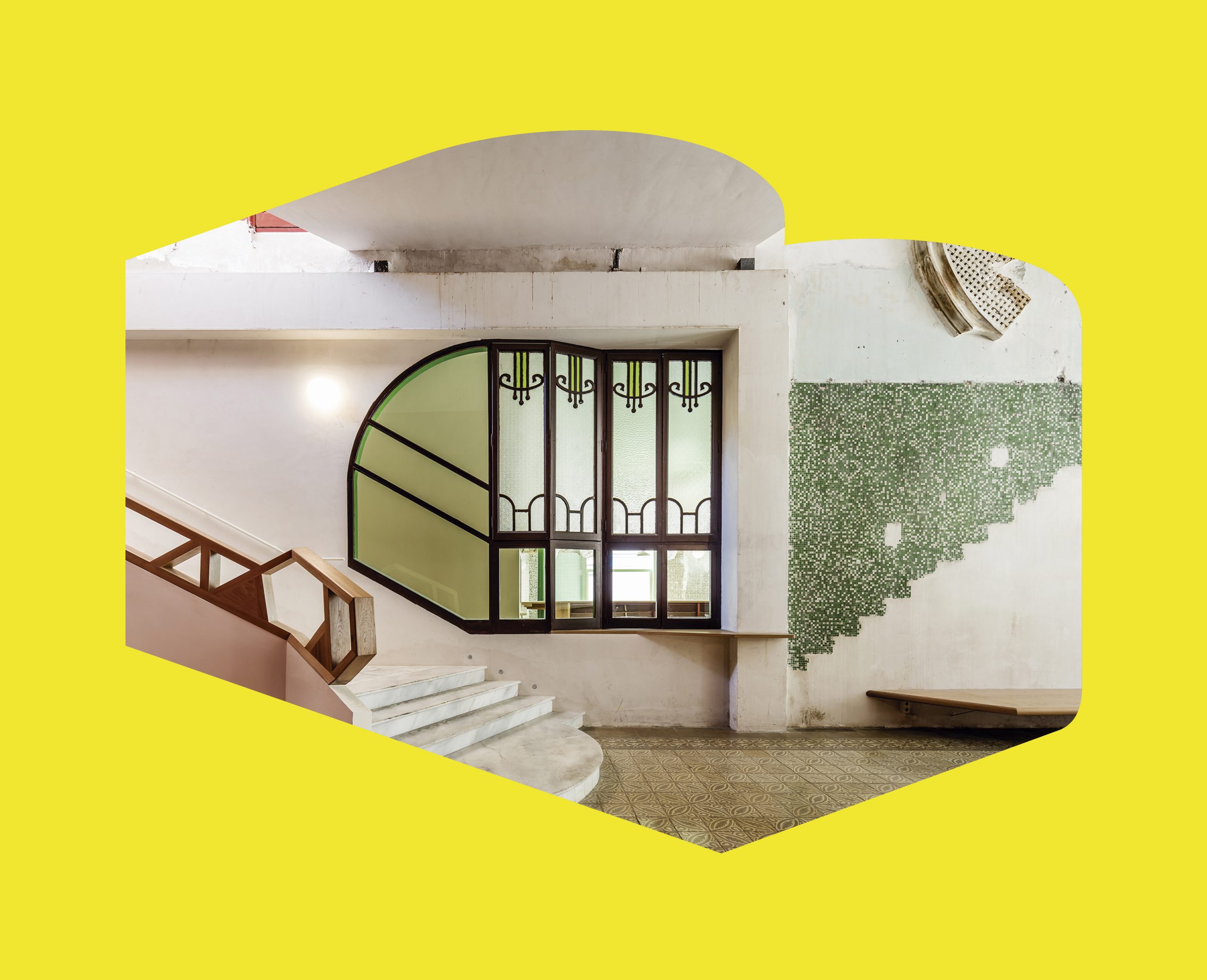
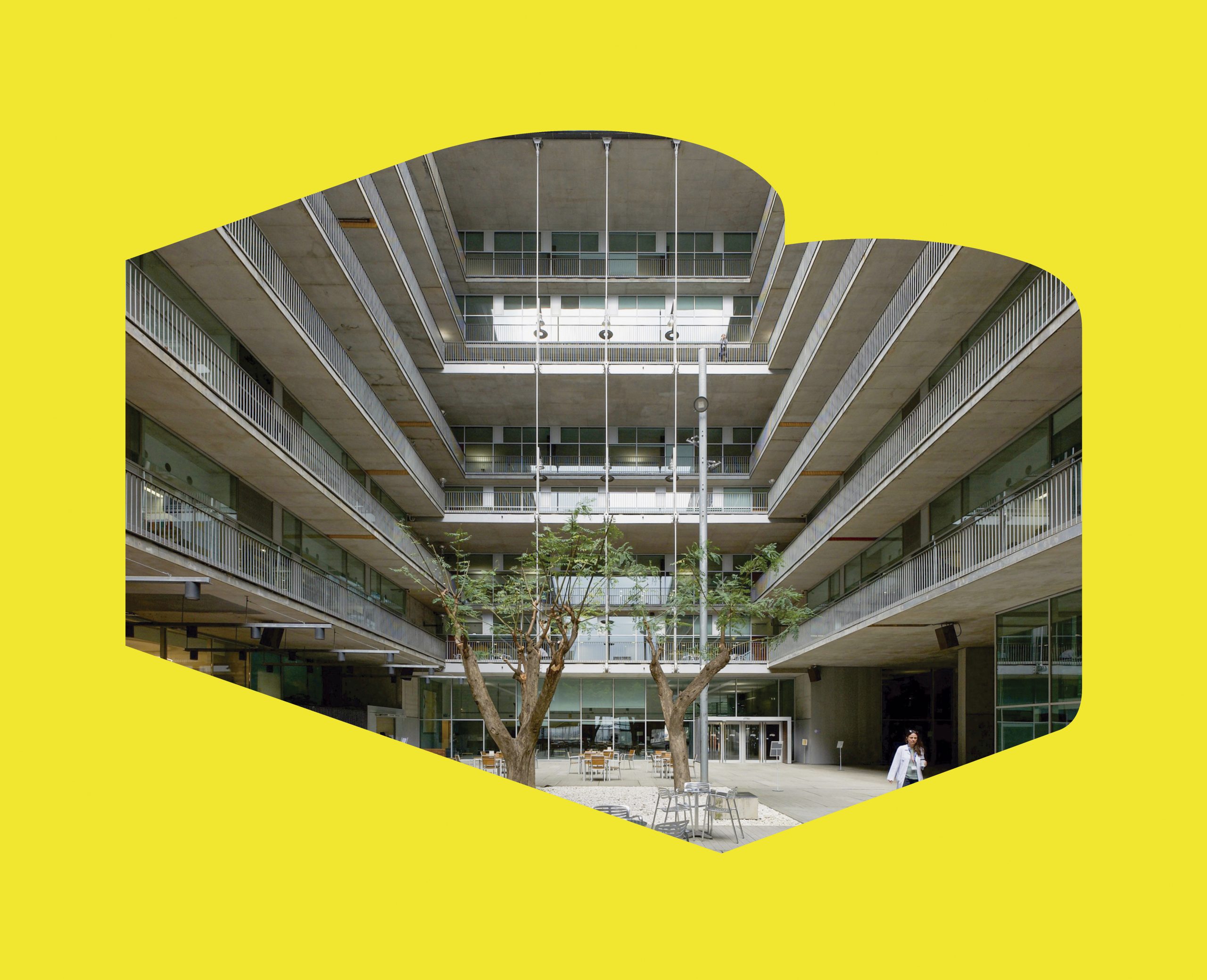
This itinerary links a group of unique buildings in Barcelona constructed in the second half of the 20th century – characteristic examples of architecture that was part of the international modern movement but sought to adapt it to the economic and material context of the city. Many were designed by architects from Grup R, an architectural movement with a clear rationalist vocation that emerged in Catalonia in the 1950s, heavily influenced by Italian and Nordic architecture, which sought to soften the harshness of modern architecture by contextualising it in its surroundings through the use of traditional materials. These buildings are characterised by a certain volumetric radicalism and great material austerity, particularly evident in the forcefulness of their façades.
Taken together, all these buildings represent a very specific moment in Barcelona’s history, that of the post-war period and the so-called desarrollismo (developmentalism) of the 1950s, and shaped the urban and emotional landscape of that period when the city yearned to be modern. A brutalist and late modernist landscape built from large concrete and brick residential buildings, reflecting a very particular political and economic moment in the city’s history, which has inspired my series of paintings.
Each of these buildings is drawn precisely to the same scale (1:25), reduced to its most abstract expression, in which the architectural reference almost disappears and becomes an essential and infinite geometric pattern, without base or finish, in search of its own pattern. A fabric defined by a geometric mesh configured with the successive printing of patterns.
These are architectures in which the thickness of the façade is important and generates shadows, textures and colours in which the relationship between the domestic interior and the urban exterior occurs in different layers formed by walls, windows, balconies, lattices, awnings, shadows, railings, etc. The paintings explore the plastic potential they contain and become an abstract grid independent of their model.
 1
1