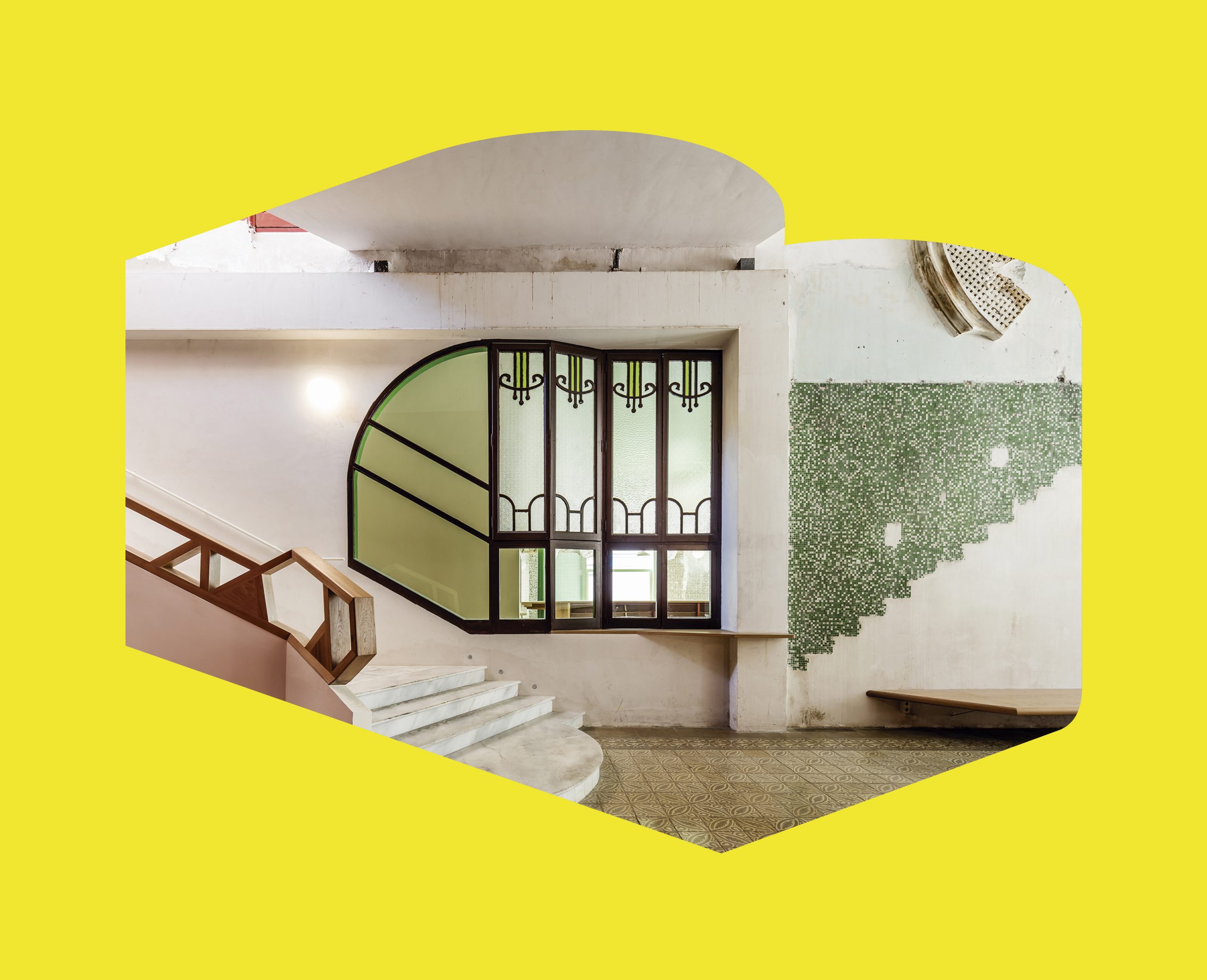
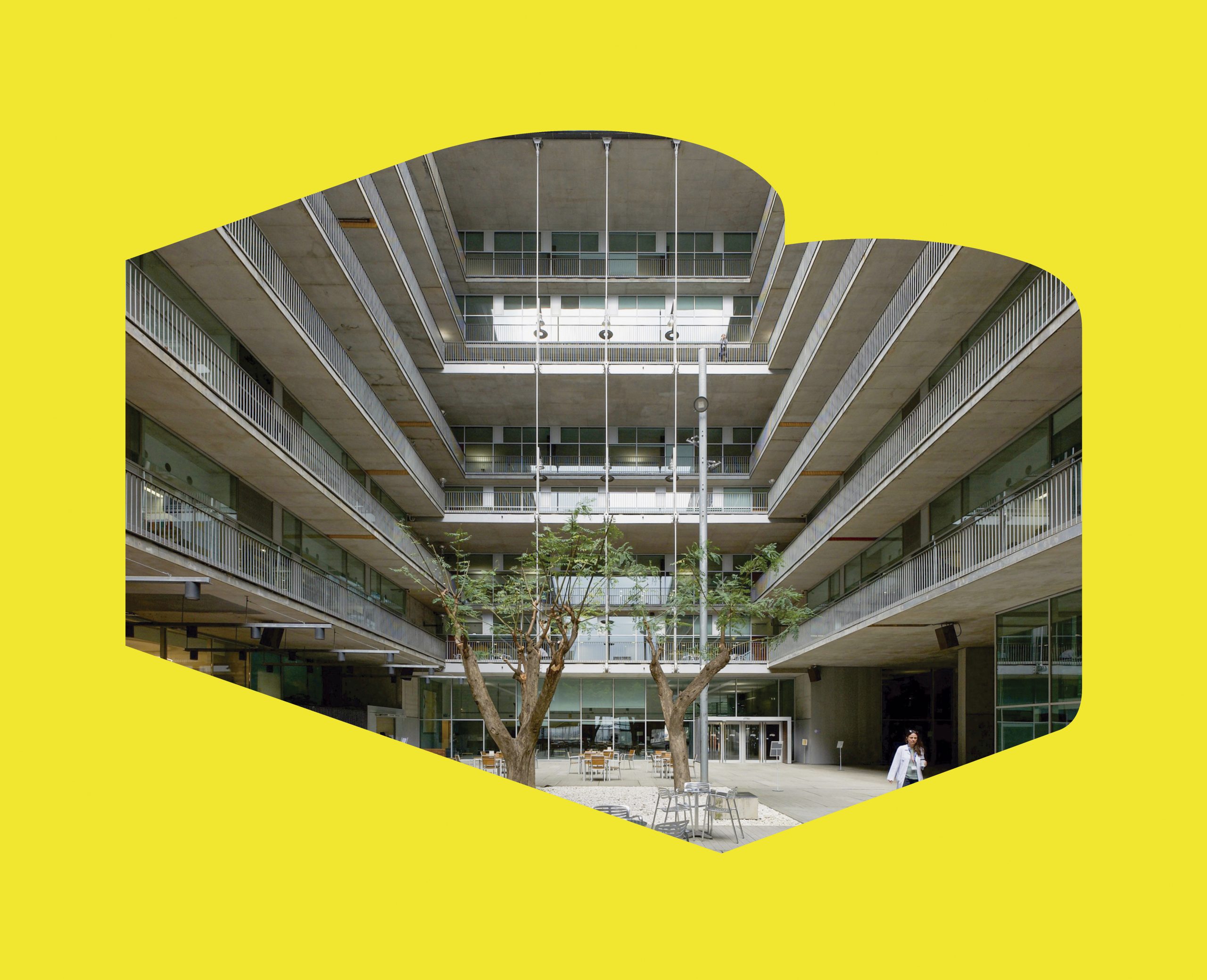
This itinerary takes as its starting point the masterful doctoral thesis by Elías Torres, later transformed into the exhibition 9 m² (+ or –) of Instruments for Top Lighting — held at the Urania Gallery in Barcelona in 1999 — and into the book Top Lighting (Luz cenital), published in 2005 by the Architects’ Association of Catalonia.
As Torres himself explains, “top lighting is light that comes from above, whether from a window located high up in a wall or from an opening in the roof that illuminates an interior space or one that can be considered close to an interior”. However, his enquiry goes much further, proposing a personal vision of what he himself defines as top lighting, carefully breaking down the elements or instruments that construct it. The references are infinite and eclectic, from all over the world as well as local. The route selects those works mentioned in the book that are located within Catalonia, accompanied by the brief, telegraphic comments that Torres includes in his thesis for each work.
Terminal 2, El Prat Airport: “Central light ceiling. Replace opaque acoustic panels with translucent methacrylate, beneath a transparent hipped roof. Activity is not organised around it. It is a large patch of light on a ceiling that only the semi-artificial palm trees attempt to evoke as a courtyard.”
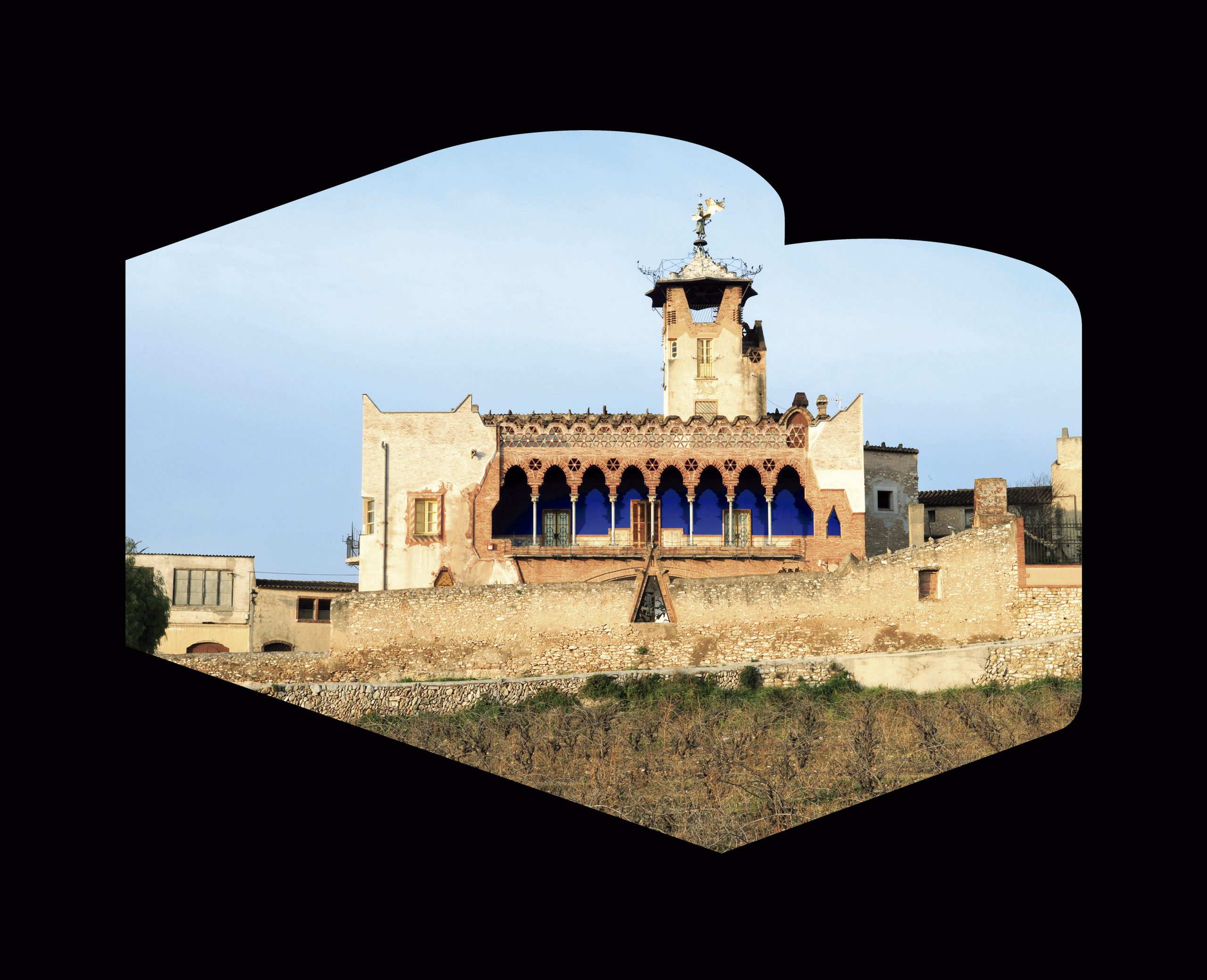
Casa Bofarull: “Transparent well-head of an interior cistern. The tower stair is lit by an octagonal opening protected by an iron balustrade. Light enters through the façade windows beneath the roof of the tower, which acts as a gigantic lantern and recalls pagodas.” / “Hexagonal floor: rays spinning like a pinwheel in a celestial blue space.”
Móra d’Ebre District Hospital: “Raised on props. Fixed opening. Light tinged with blue or red.”
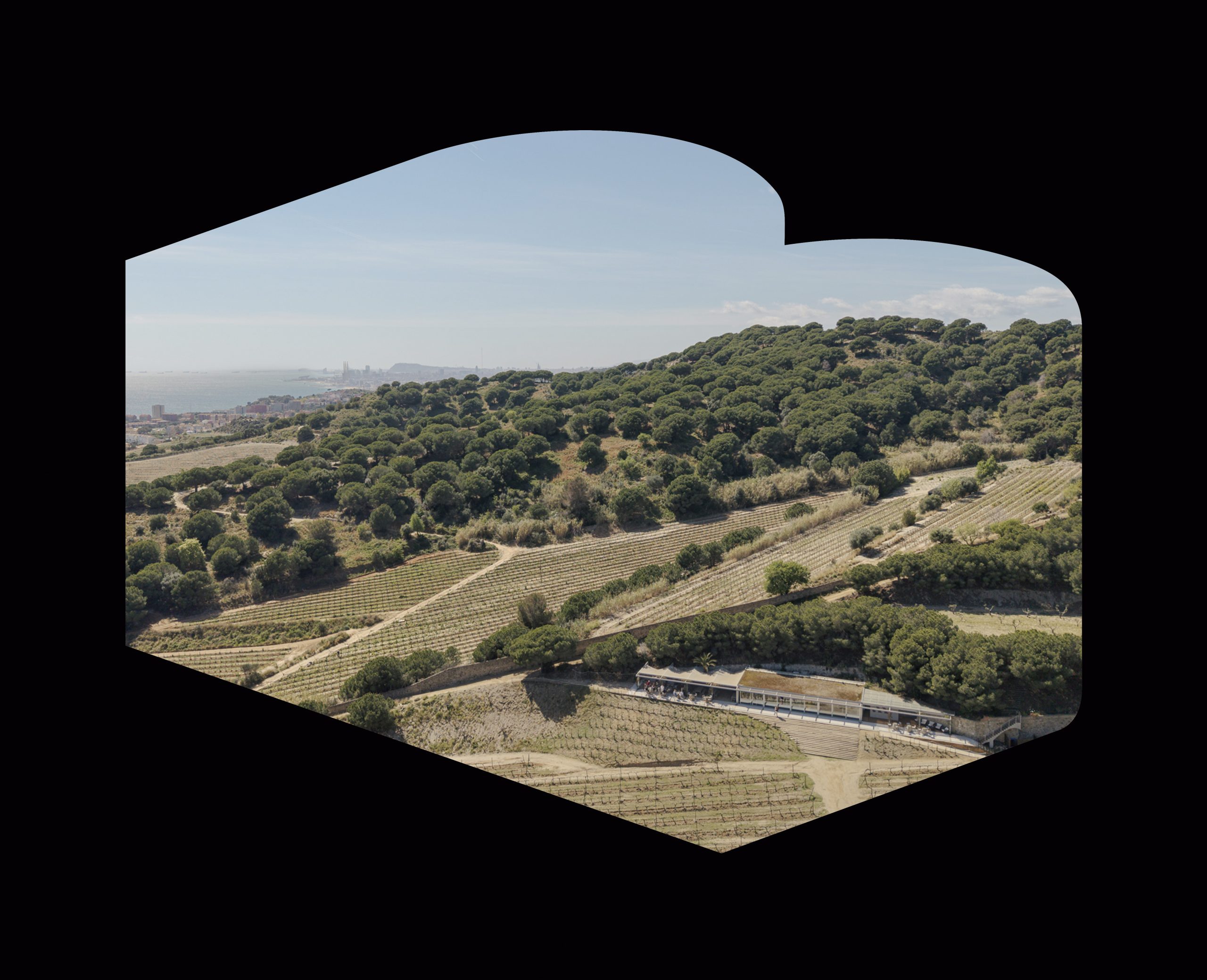
Raventós Raimat Wineries: “Partition walls embroidered with light.”
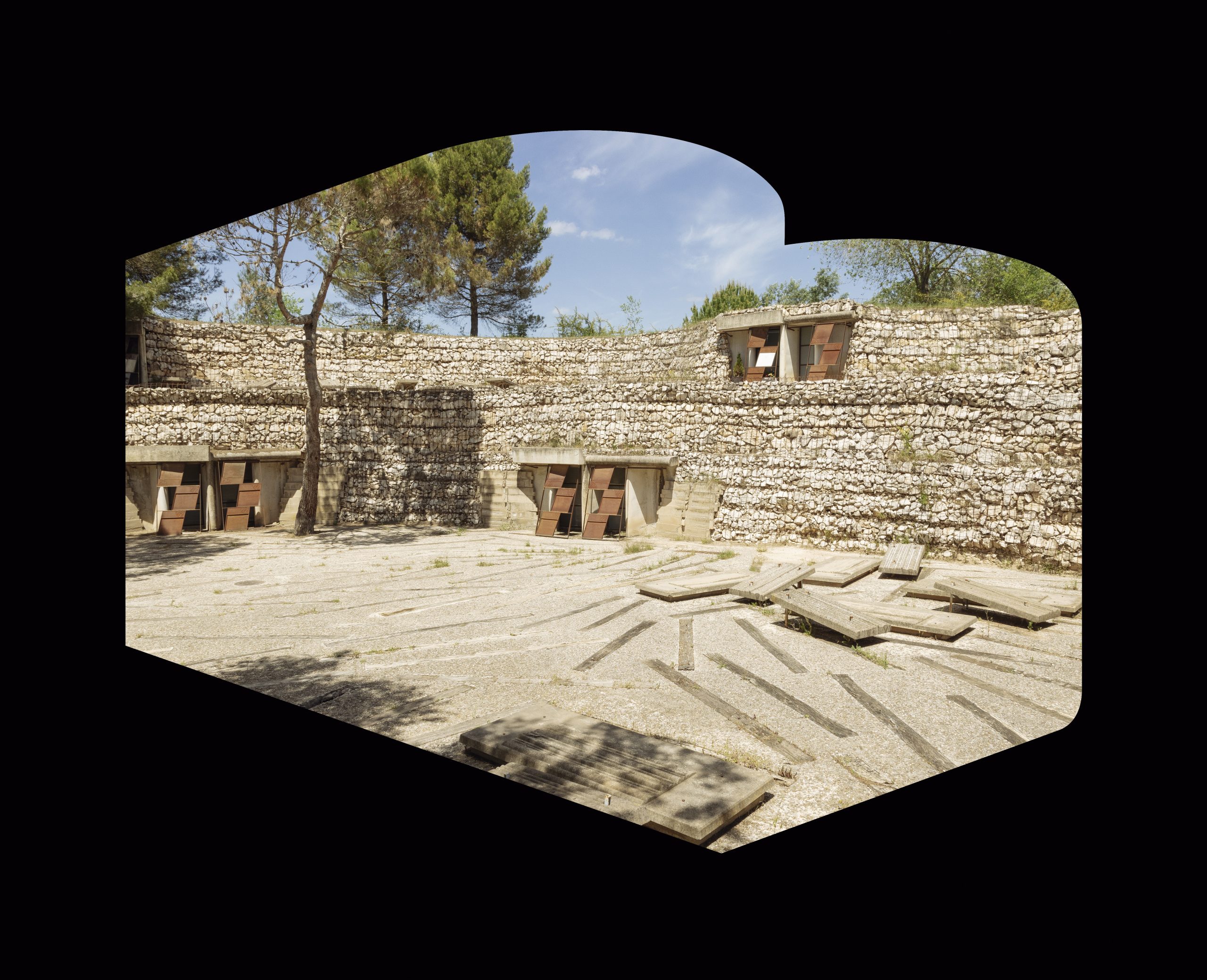
New Cemetery of Igualada: “Curtain of sunlight (depending on the day) made of a concrete patchwork.” / “Dimly-lit tomb. Descension to another level. From the concrete paving — almost torn away — to the ceiling. On the ascent, one glimpses that the light descends along the stair.”
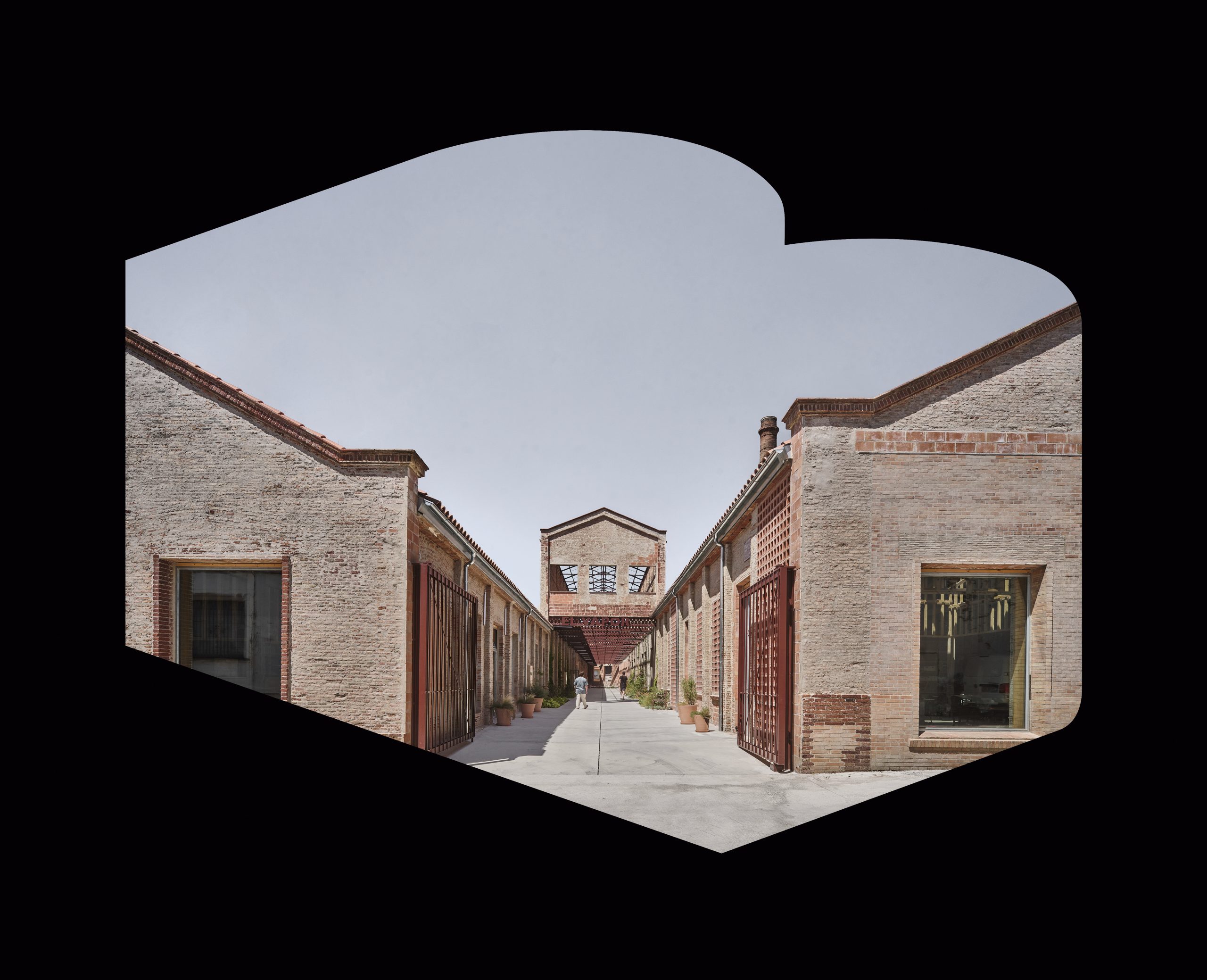
Vapor Aymerich, Amat i Jover: “The light is cut between roofs. Black on the exterior; the luminous always restsinside.” / “Fluttering raised roofs. Brick fabrics moved by the wind. A swell of brick and light waves that intertwine and overlap in the distance. It is said that Gaudí and Jujol sailed these seas and with these winds.”
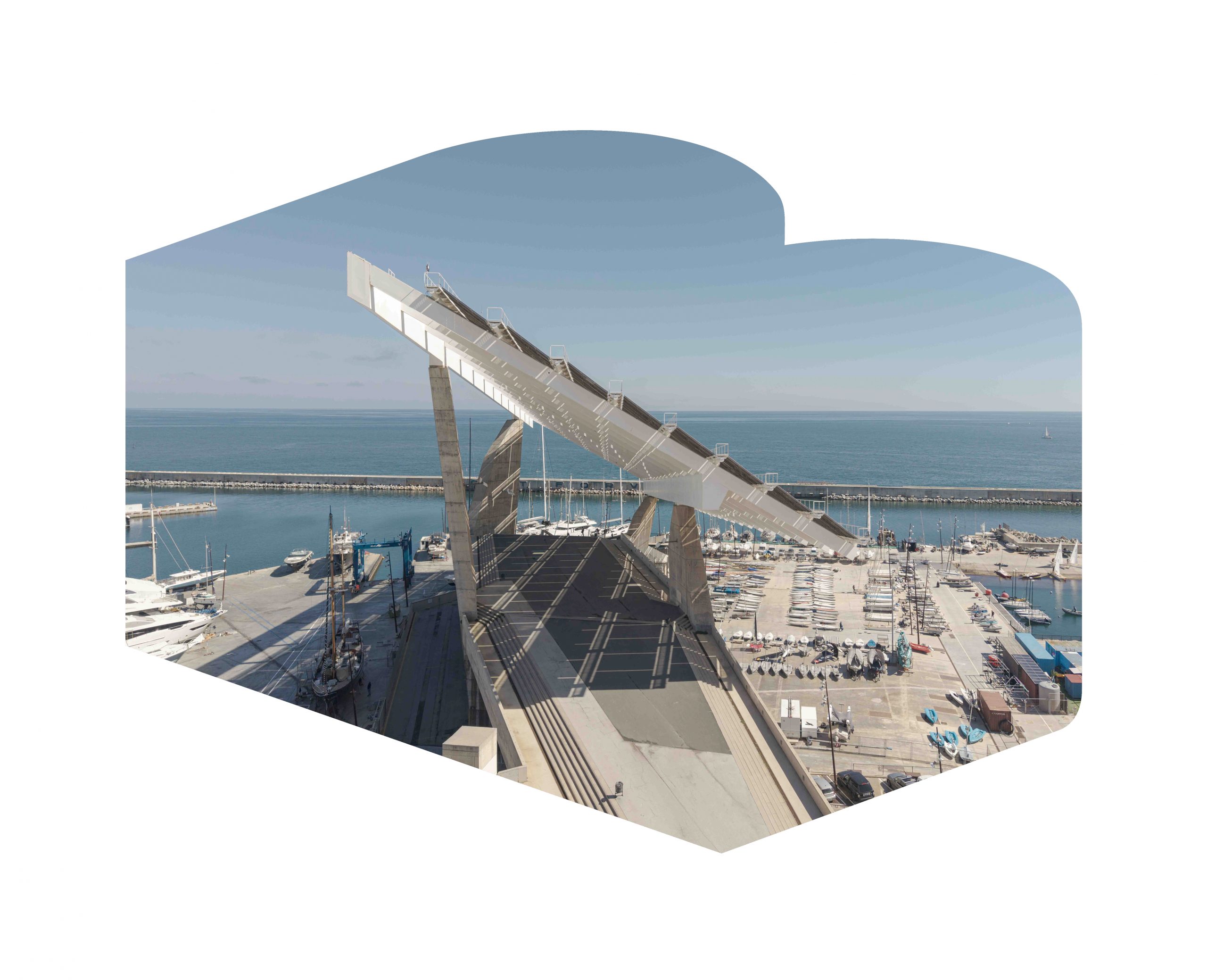
Fòrum 2004 esplanade and photovoltaic pergolas: “Fabric of photovoltaic cells that capture the sun and allow reed-like light to pass through. Maintenance walkways paint twisted luminous lines across the concrete legs and the paving. Under a canopy, in the half-light, looking out to sea.”
Fòrum Building: “Prisms with cuts and folds that carry blue light down to the underground levels.” / “Courtyards and light-conducting shafts. When it occurs, it clings to the walls and illuminates the interior of the upper floor before reaching the black floor, upon which the building seems to float. The stainless light panels in the ceiling release reflected flashes of light. Emmental cheese exposed to the luminous.” / “The faces of the top-lighting duct become, by reflection, pyramids and glass prisms.”
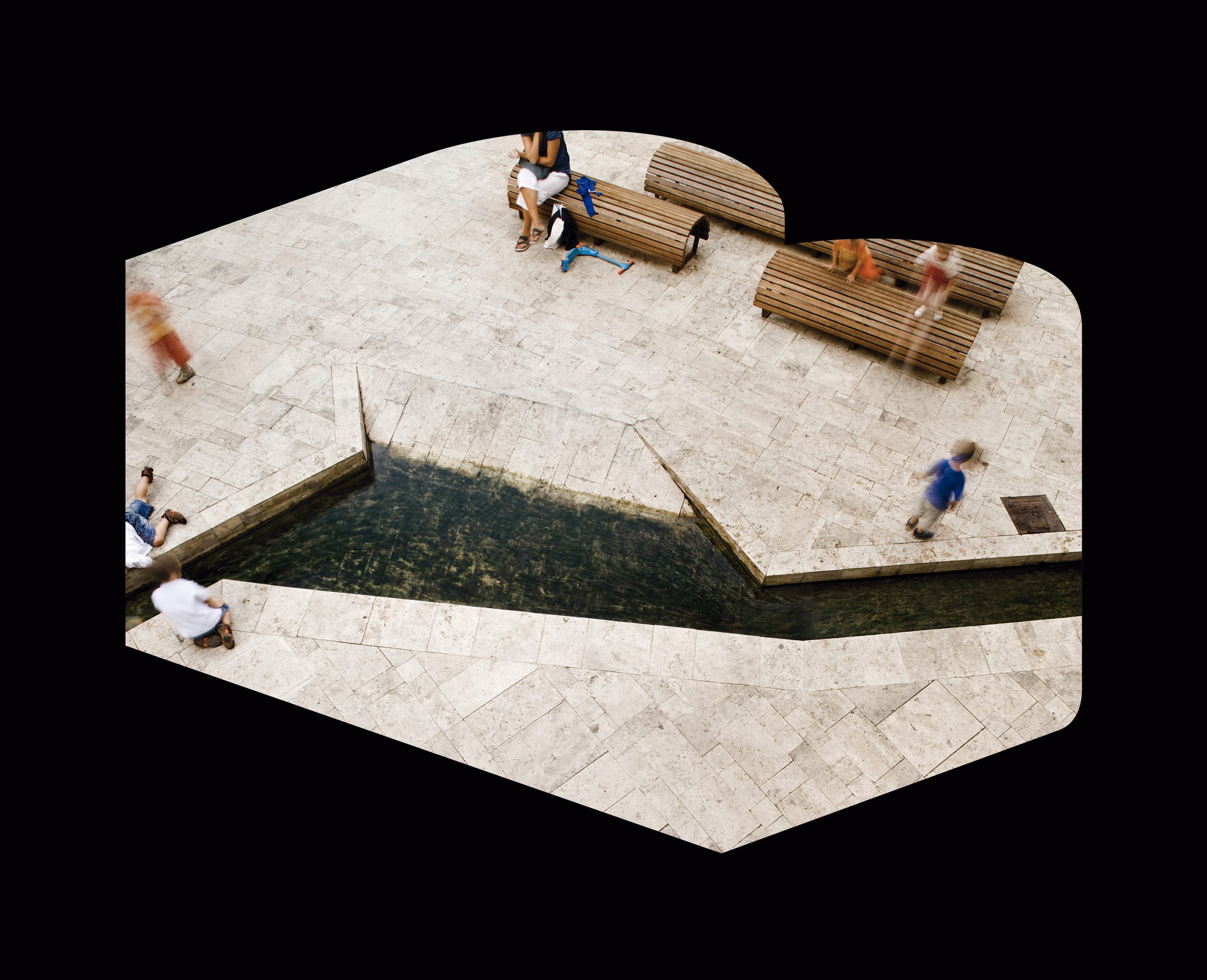
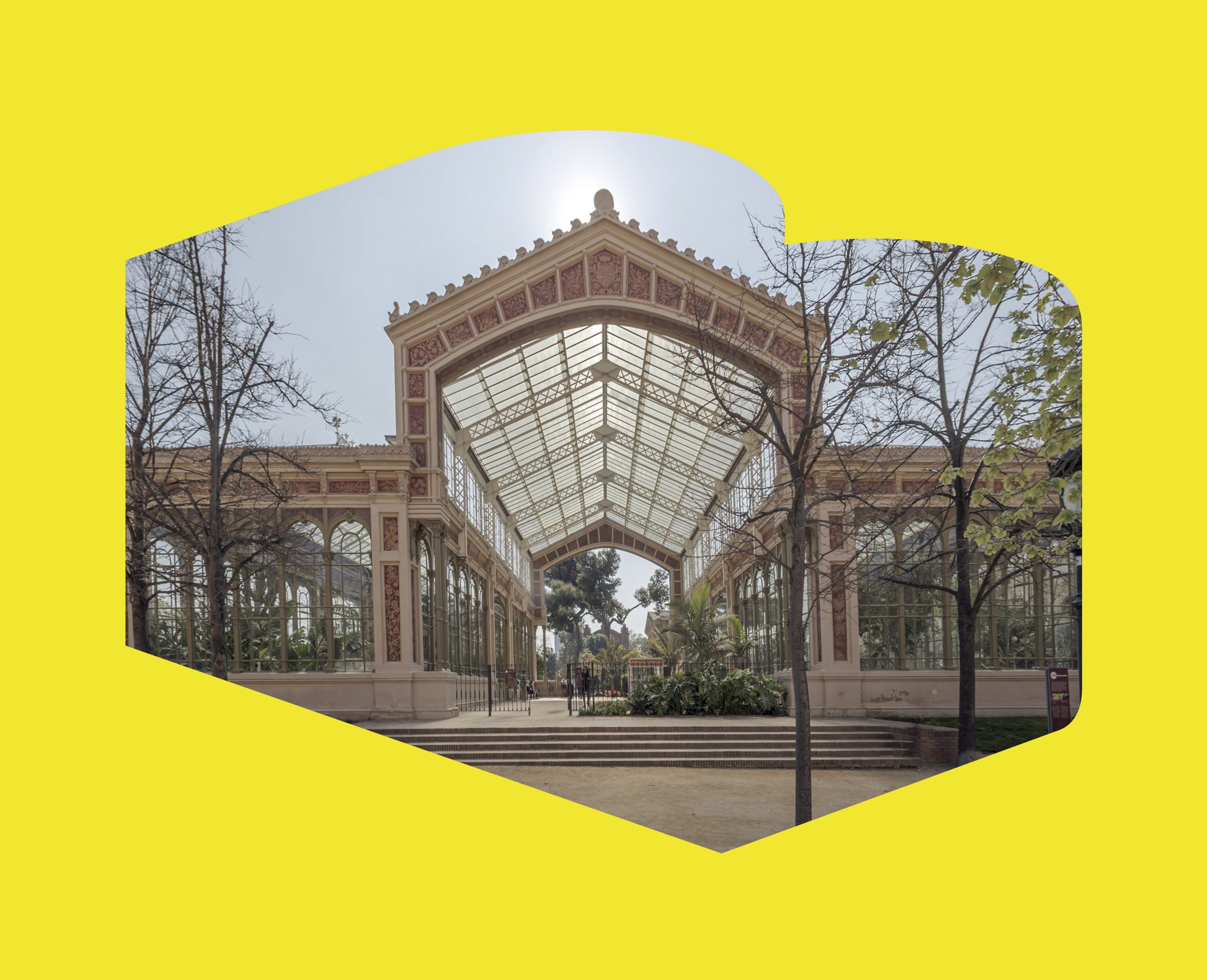
Shade structure (‘Umbracle’) of the Ciutadella Park: “Depending on where one looks from, the sun enters at certain times. Semi-covered, if the distance between the wooden slats equals their width. Attenuated light. Turns with 50% wooden slats and the other 50% slats of light.”
Palau de la Música Catalana: “Horizontal rose window with rectangular limits. Leaded stained-glass. The colours of light, the colours of the glass. Printed or tattooed floor.” / “Deformed luminous spider’s web. Giant droplet of dripping light. The weight of top lighting. It does not matter what the upper glass roof is like. Light by expansion: will it one day reach the floor?”
Casa Milà: “Three chimneys with balaclavas. Light enters through the eyes.” / “Attic ventilators. The roof is almost a façade. Freedom on the top floor. Chimney-vessels: does smoke come out or does light enter? Architectures, flasks of interior light filled from above.”
Il Giardinetto Restaurant: “If, in addition to light being reflected among the whites of the painted chestnut leaves, the white were translucent to allow natural light to pass through… One assumes it is so.”