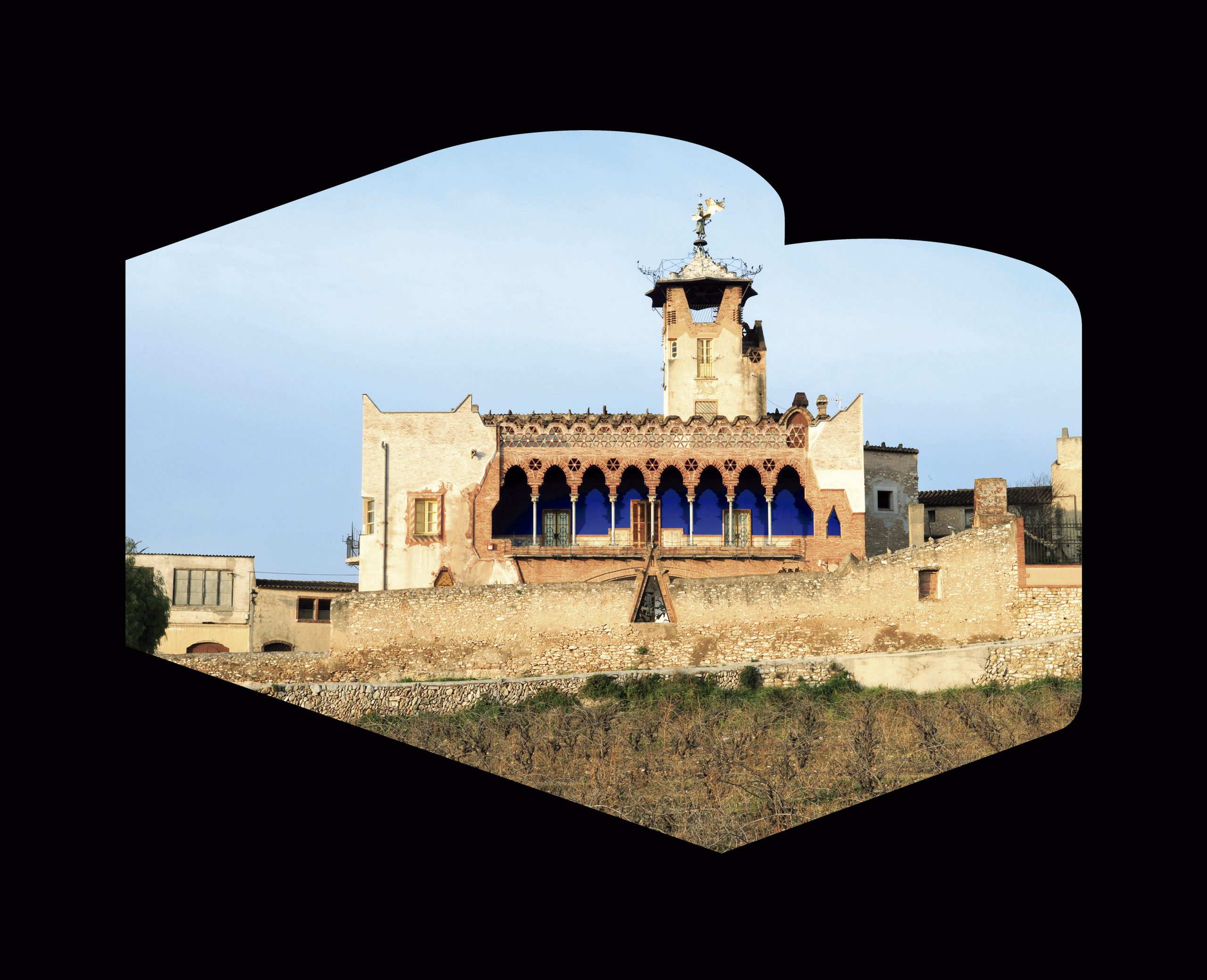
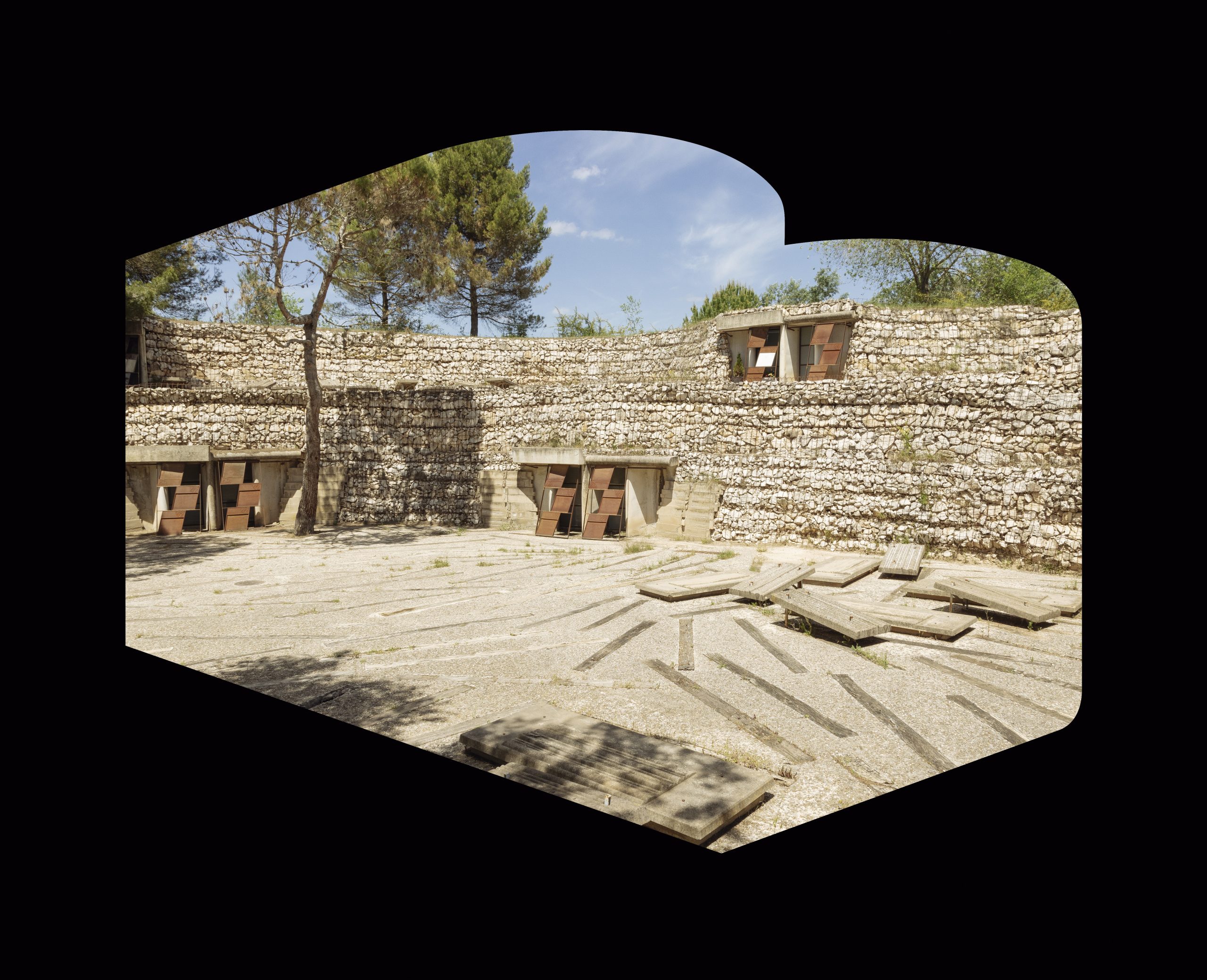
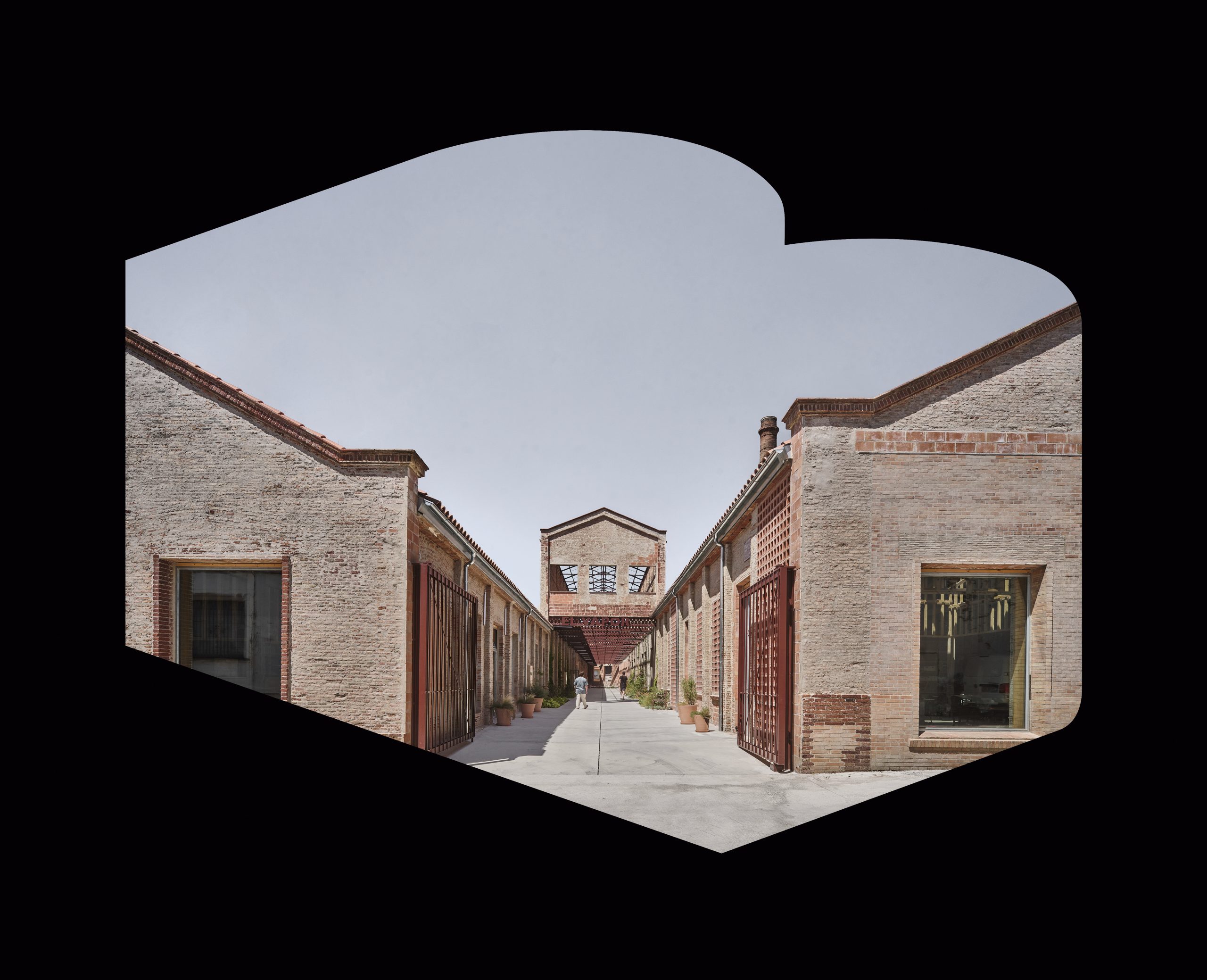
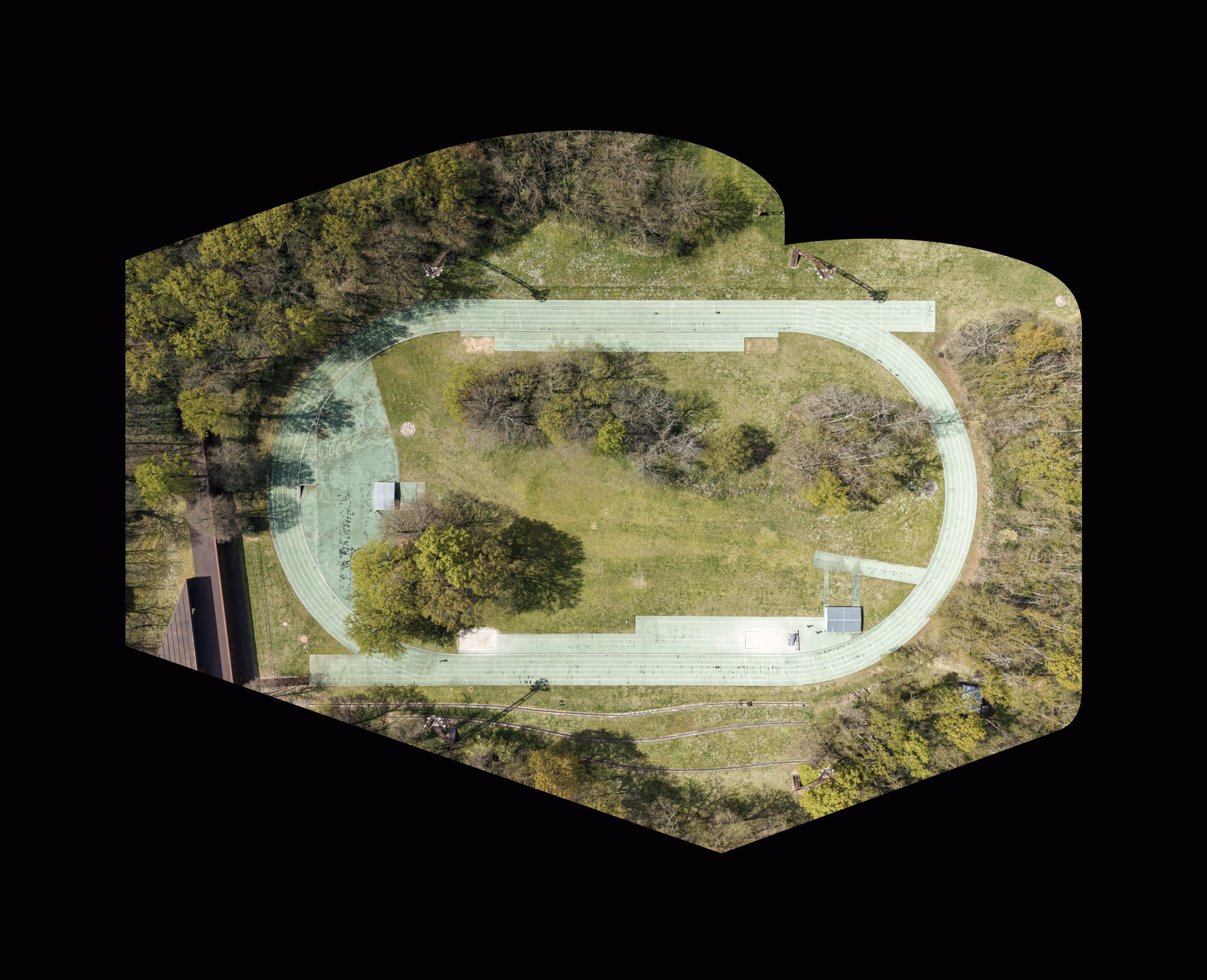
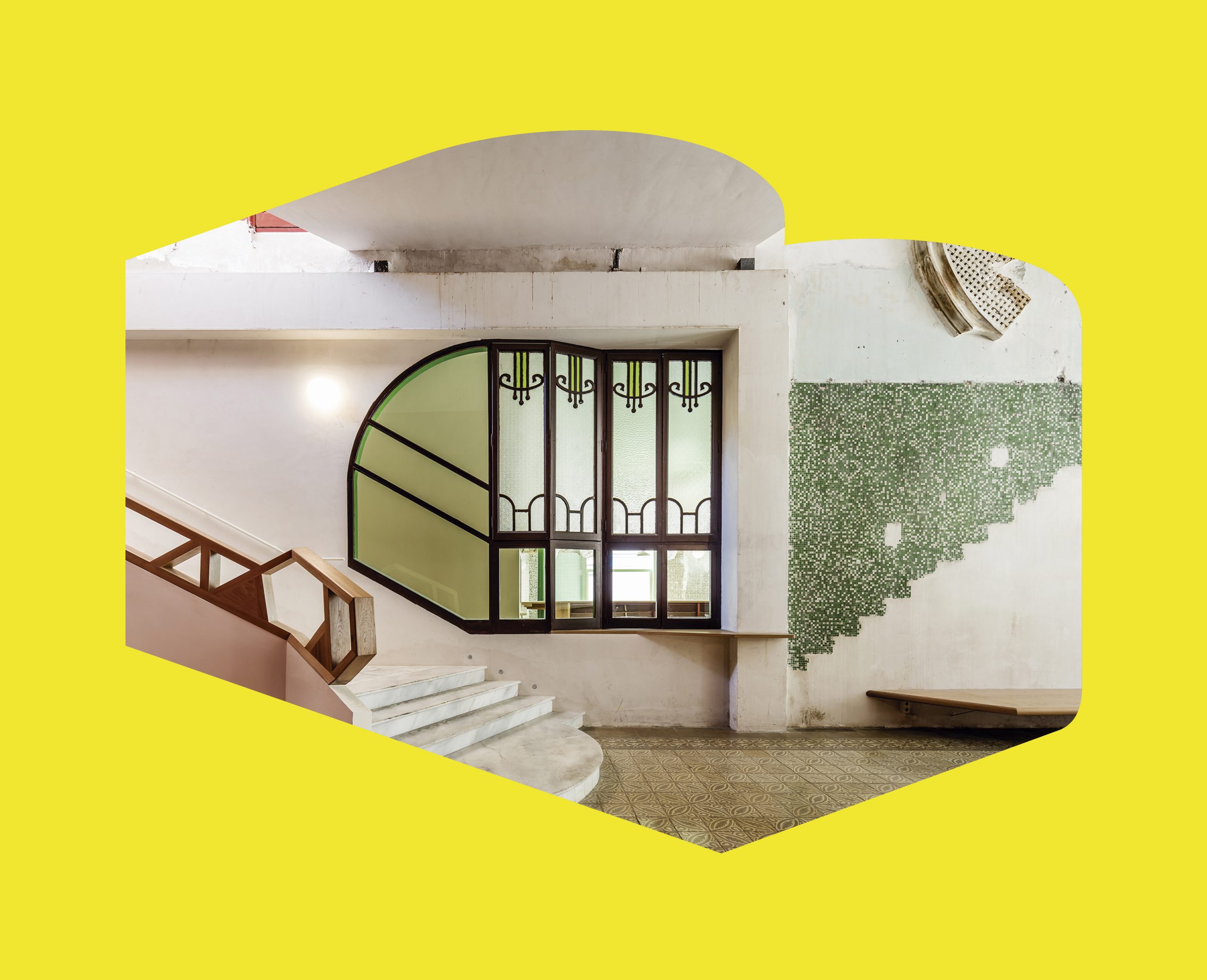
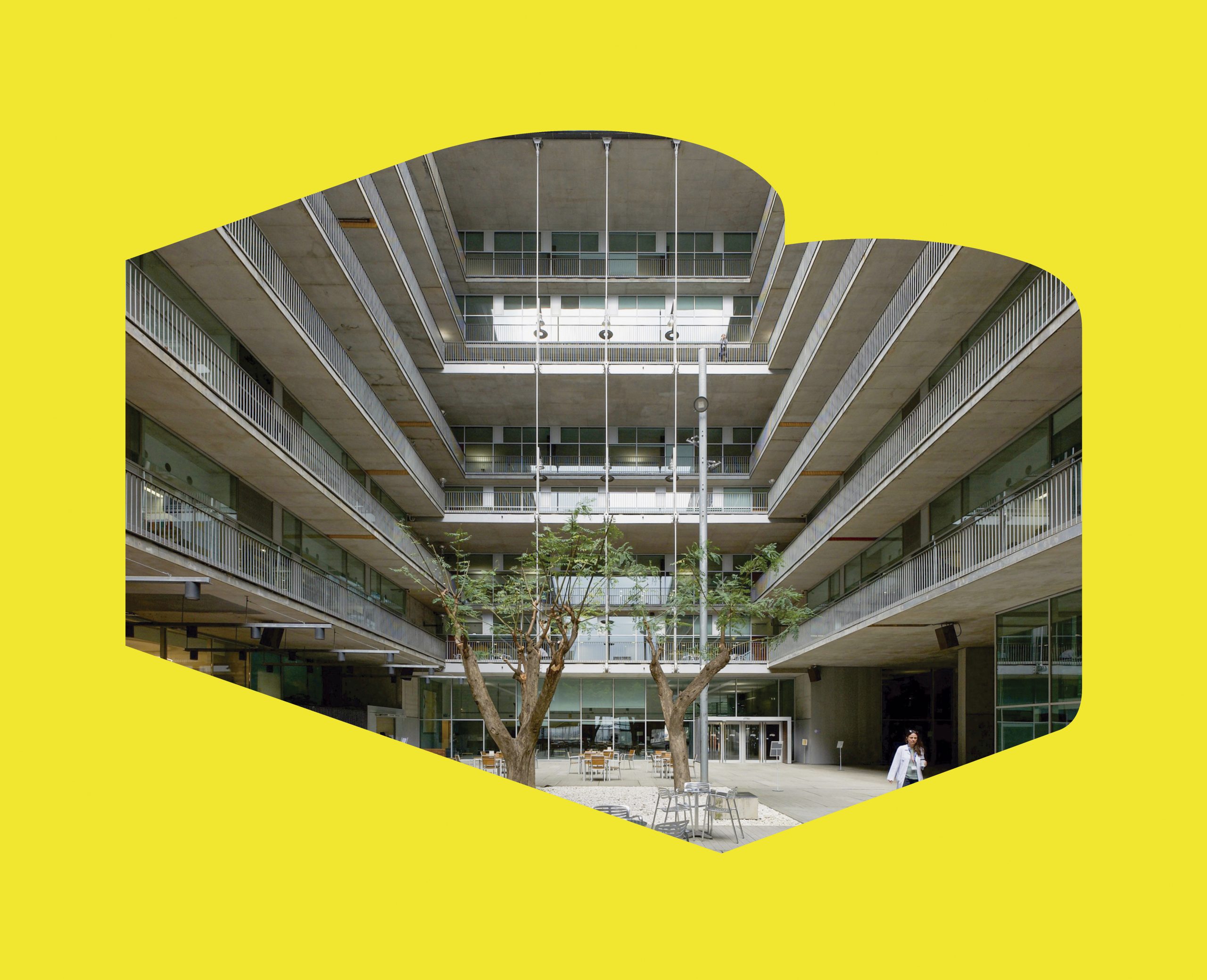
The sub-region of La Selva Marítima is an eclectic transitional territory on the border between the provinces of Barcelona and Girona. Made up of three very different towns, in less than 20 km it synthesises the architectural and urbanistic footprint of tourism in Catalonia and the Mediterranean, and is traversed by such conflicting cultural categories as holidaymakers, artistic or political refugees, tourists, seasonal workers and immigrants.
It is from this perspective, with its different anthropological layers, that the following itinerary is proposed, beginning in Blanes, still emotionally the last town in the Maresme. A former summer resort for the bourgeoisie fleeing Barcelona, such as Joaquim Ruyra, Joan Maragall and Teresa, imagined by Juan Marsé in his well-known novel, Blanes was also an important port of departure for the ‘Indianos’, who left an important cultural and architectural mark on their return. Similarly, from the 1950s onwards, it was a city that welcomed newcomers from all over the peninsula and then from all over the world, such as the Chilean writer Roberto Bolaño, a model of the Latin American lumpen artist whom, years after his death, the city wanted to honour by naming its auditorium after him.
Lloret de Mar, on the other hand, as Bolaño himself said, can only be compared to Flaubert’s Carthage, because it built itself and burned the plans, as is often the case with this type of town doomed to mass tourism and grown under the crazy urbanism of the boom at the end of the Francoist era. Some of its most representative architectural works, almost science fiction hallucinations, are a good example of this.
Tossa de Mar is possibly, spiritually, the first village on the Costa Brava. Located in a cul-de-sac between the sea and the Cadiretes massif, it certainly contributed to its being an idyllic refuge for European intellectuals and artists fleeing a continent in flames during the first half of the 20th century. The list is long: Marc Chagall, Georges Bataille, Francis Picabia, André Masson, Jean Metzinger, Olga Sacharoff and Nancy Johnstone, among others. Their passage has even left a significant mark on the architecture of the village, as in the case of the forgotten Ca l’Acerbi, which the Italian refugee Guissepe Acerbi commissioned to the German architect Otto Boelitz, built according to the aesthetic precepts of the Bauhaus.