The architectural itinerary proposed here follows a common theme: transformation. Transformation understood as the phenomenon of appropriating existing realities, of changing physical and cultural structures over time. We are interested in discovering the qualities of these persistent structures, which have withstood crises in production models, political reforms and stylistic transitions, while also identifying the skill displayed by the different forms of temporary appropriation that this route offers us.
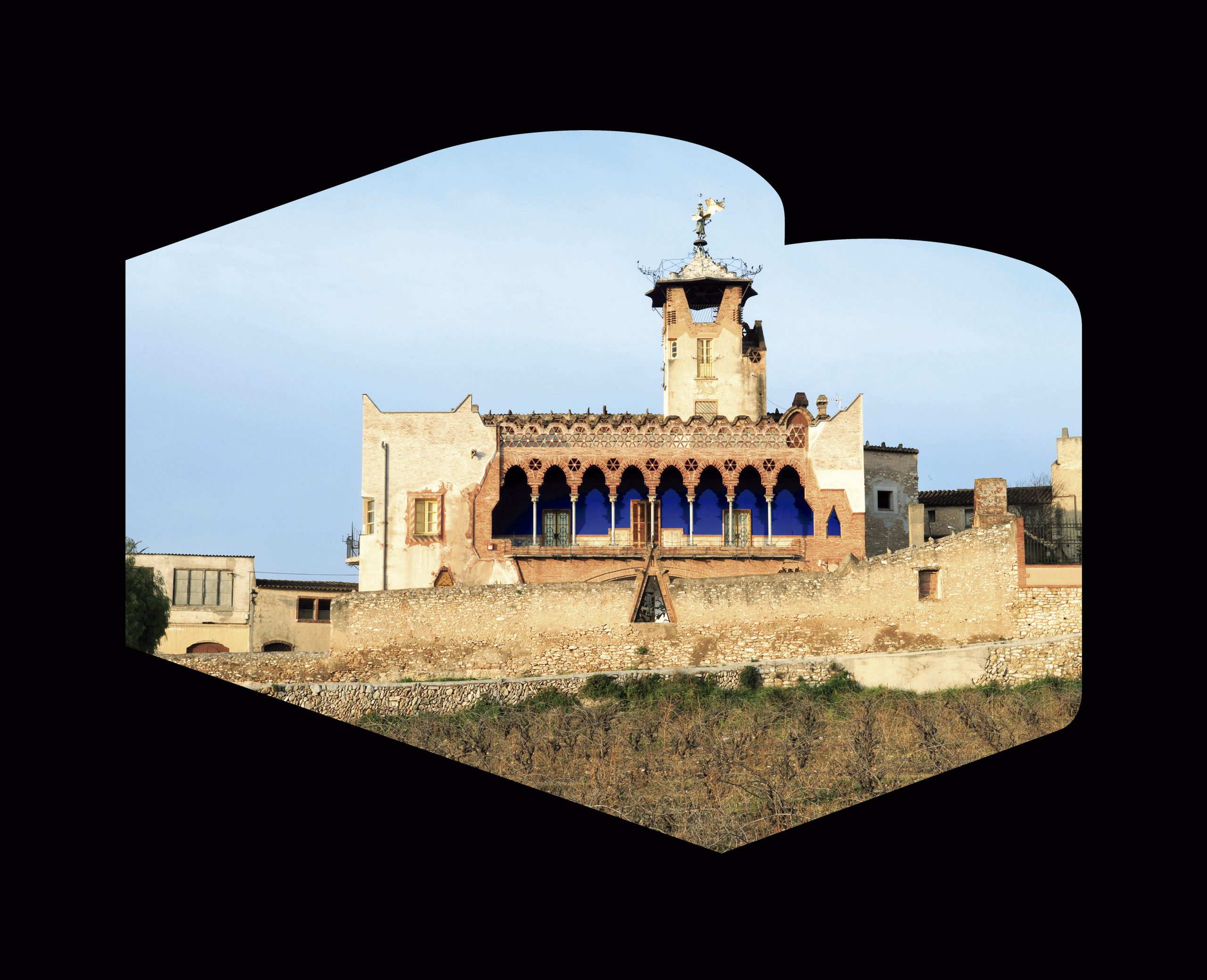
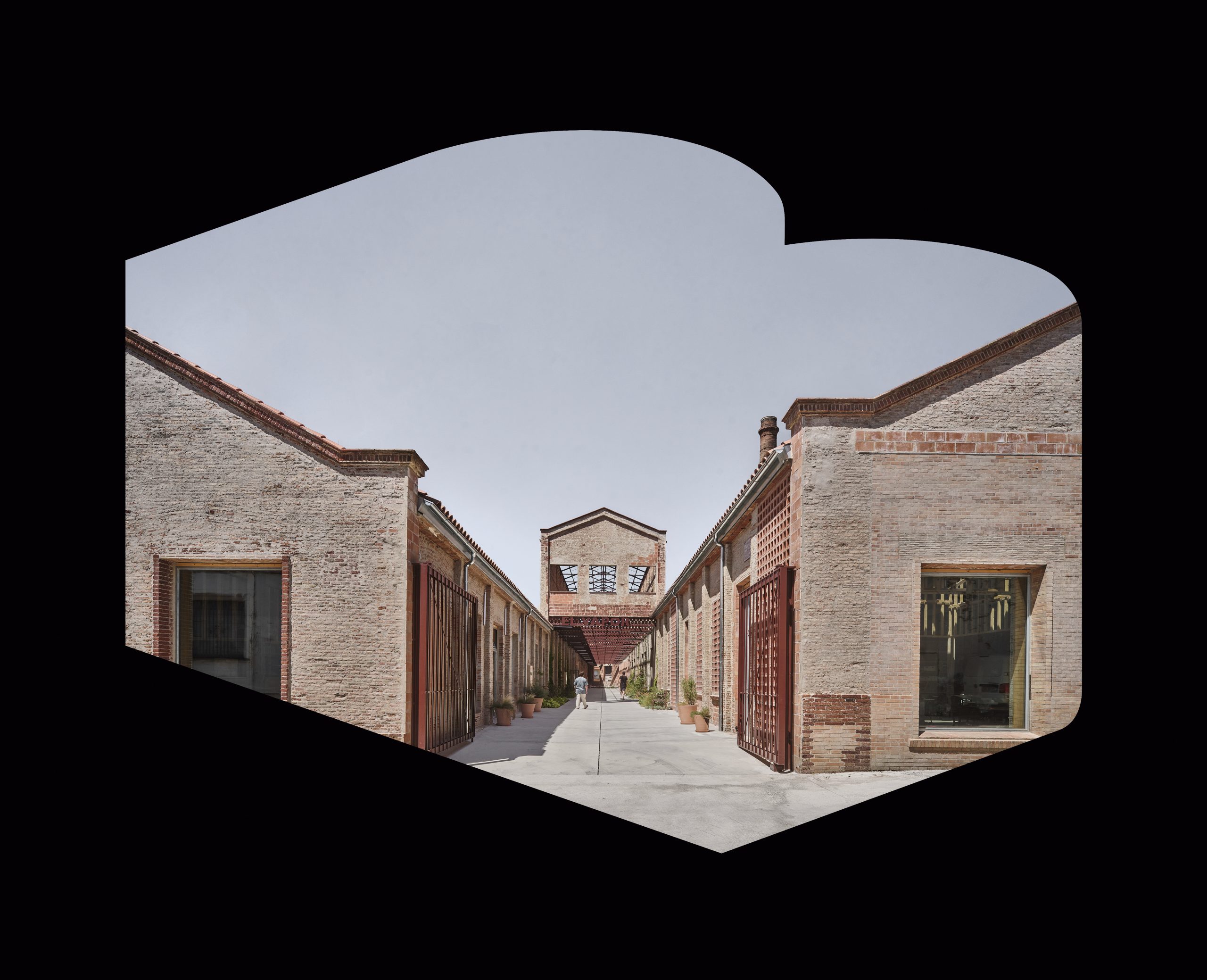
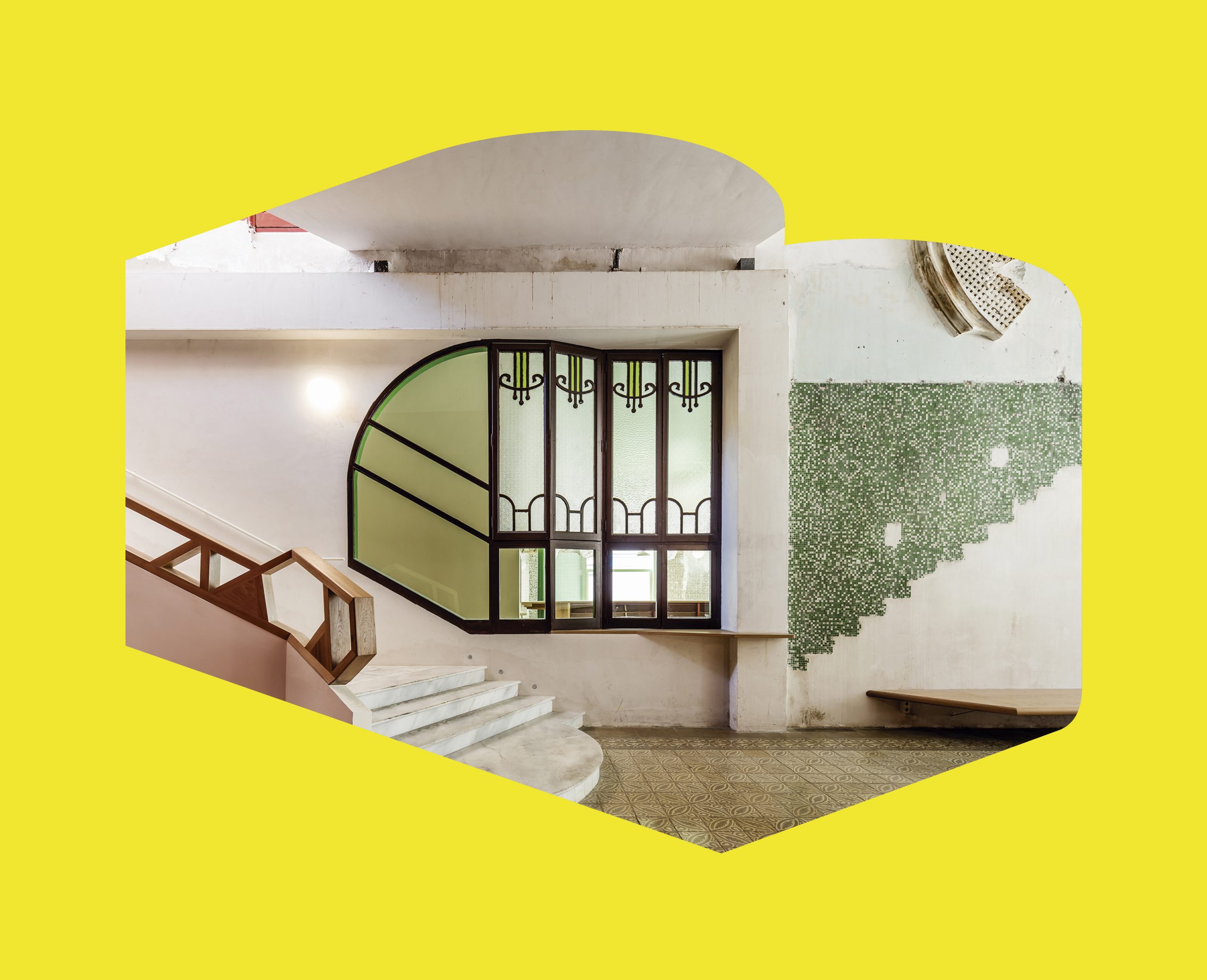
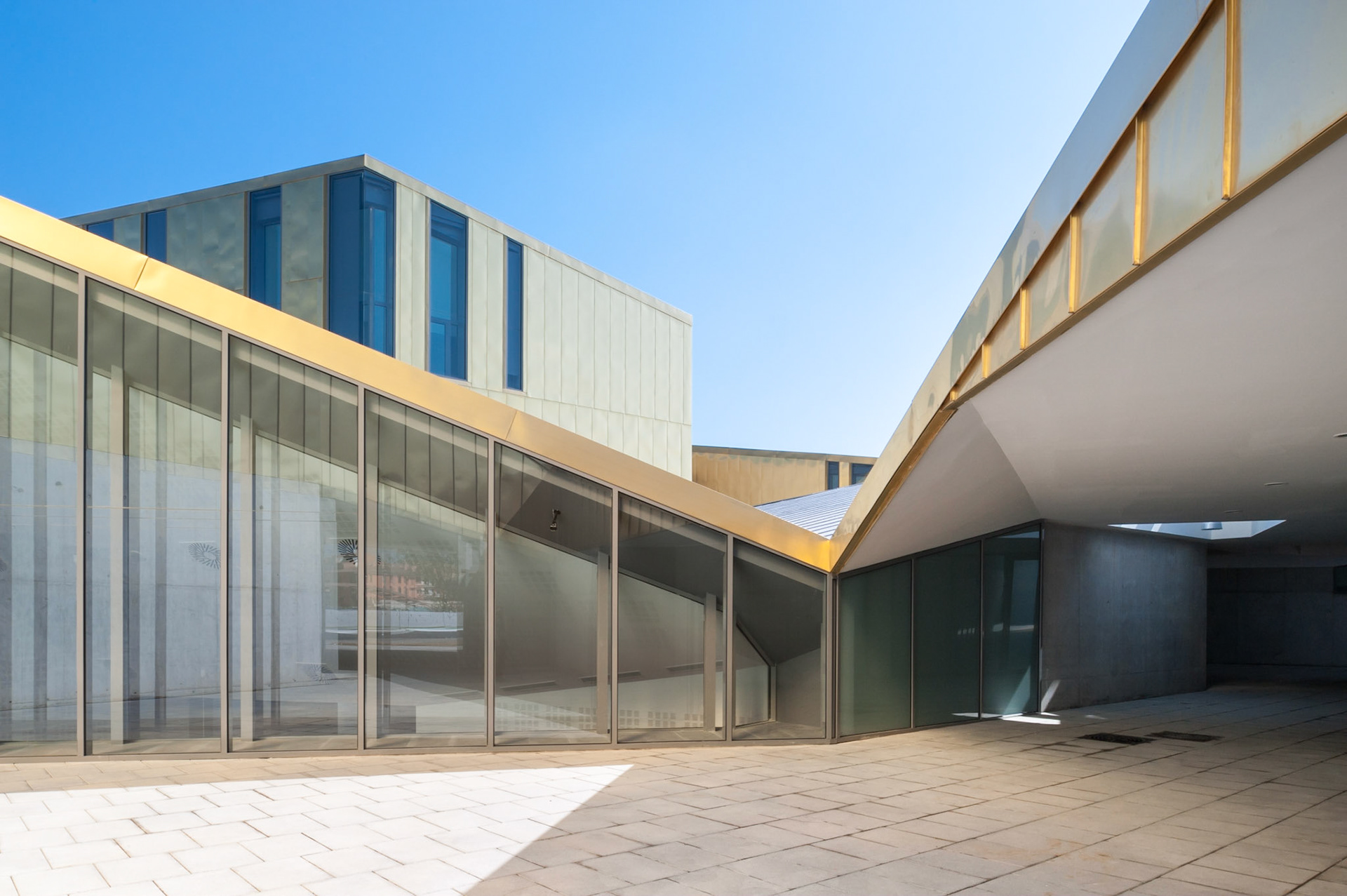
Architectural transformation can be observed in various forms and areas, from the renovation of industrial buildings to the conversion of historic houses into cultural or service spaces. This process involves a deep understanding of the construction and spatial typologies of buildings, which are reinterpreted to adapt them to the new activities and needs they accommodate. In some cases, the imposing structural presence of early vernacular industry calls for minimal intervention, as in the case of old leather tanneries. In others, the introduction of “soft” interior architecture and landscaping in outdoor spaces becomes an opportunity to respond to gestural desires or renewed ecological and social values; this would be the case of the Can Sanglas factory or the recent interventions in the New Seminary of Vic. The transformation understood as a contiguous extension, which transcends the original and displays its own resplendent autonomy, has no better example than L’Atlàntida de Can Serratosa.
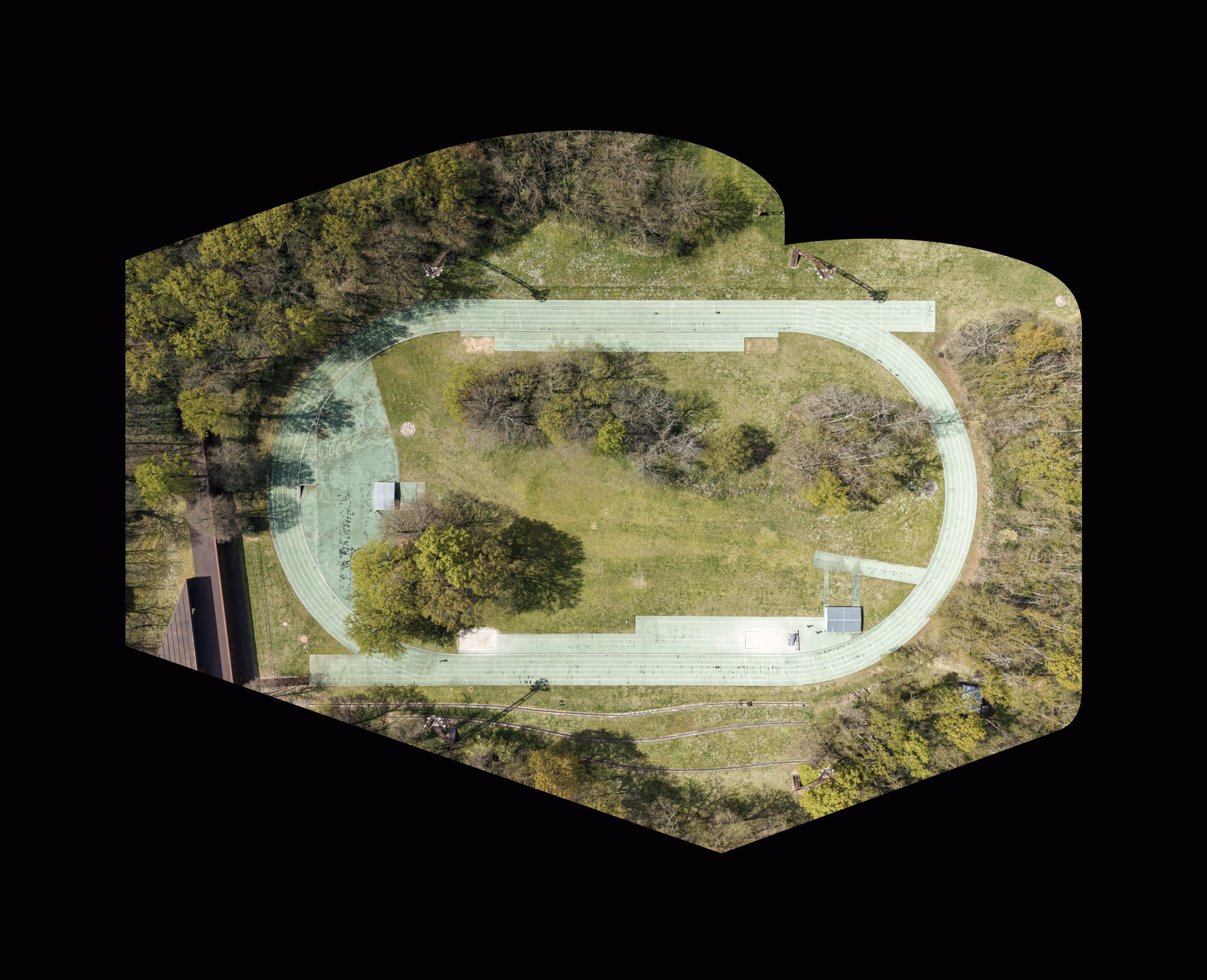
The slow reconfiguration of the agroecological landscape and the integration of modern infrastructure into natural environments highlight the potential for transformation at the territorial level. Rivers have played a crucial role in the development of the Osona region. The introduction of new road and pedestrian connections, such as walkways and jetties, has been integrated into the river landscape and highlights the importance of the river in the life and evolution of the villages. The recent construction of a jetty and a floodable bridge on the River Ter in Manlleu incorporates the changing dynamics of the river landscape —due to flooding or low water levels— and reduces the human footprint to enhance the riverbed’s own ecosystem. In the urban environment, the industrial development of the last century, which swallowed up the agricultural mosaic, has forever transformed the outskirts of cities, urbanising the territory almost continuously. Surprisingly, in this suburban and generic landscape, pieces of a certain ‘industrial sublime’ can be discovered, perhaps the result of the large-scale means of its productive model. We are, of course, referring to the Puntí feed factory (now Gepesa).
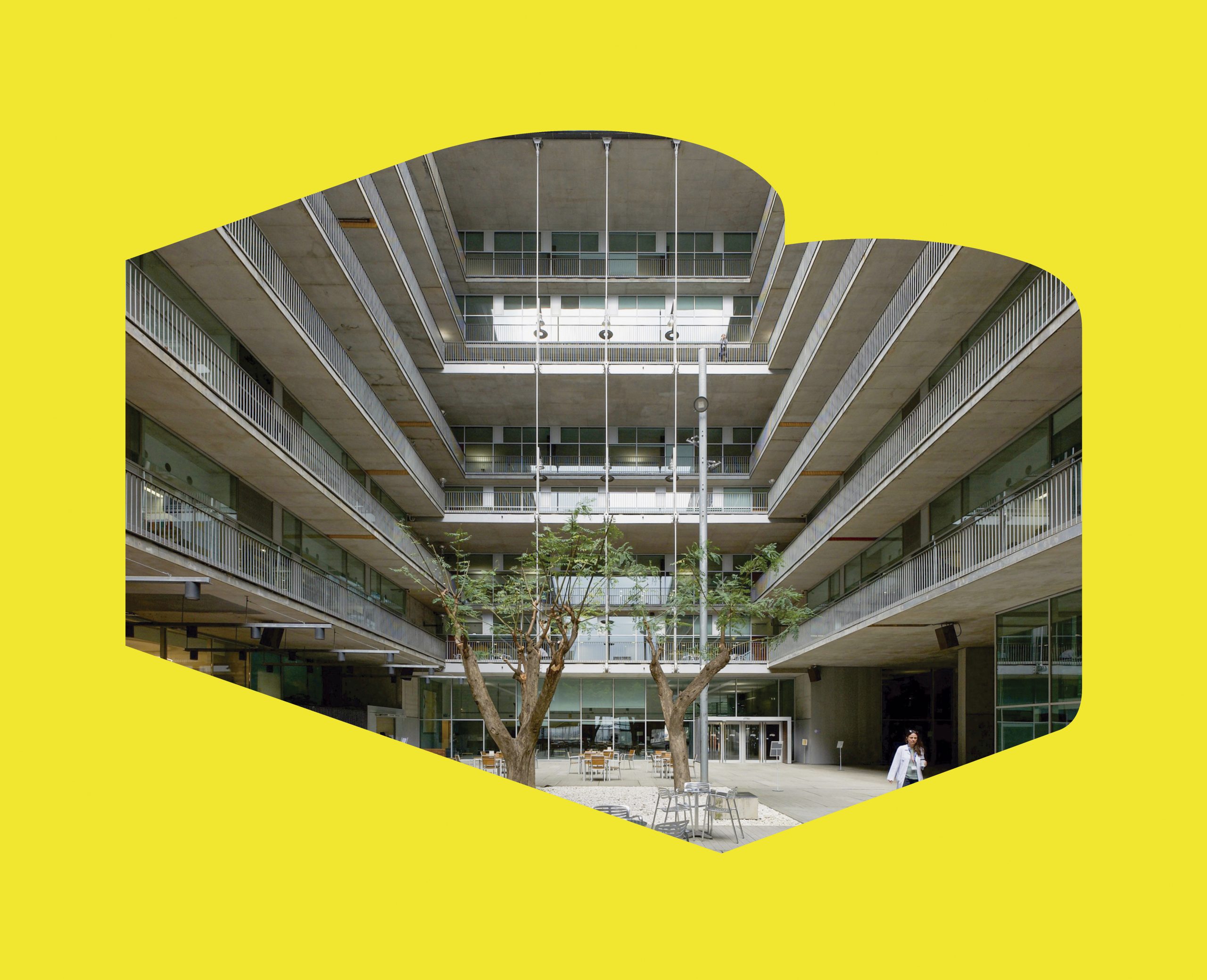
We are also interested in exploring other ways of understanding transformation; for example, in the capacity of certain types of architecture to catalyse processes of change or temporality. The Osona Psychopedagogical Medical Centre displays a particular tectonic transformation: an industrialised, modular design that is easily expandable and, to a large extent, removable. The paradigm of flexibility—or open-plan design—as opposed to the vernacular construction of walls, is behind many of the proposals of the second architectural modernity that emerged in this place from the 1960s onwards. The work of Pere Llimona stands out in general. We suggest stopping at the courthouse in Vic. It is necessary to do so in situ to admire the dignity of this work, despite the passage of time. But we must also visit it through historical photographs, which show the abuse of additions and distortions that the building has suffered over the years (the different porches that emptied the volume, the tectonics of the façade, the presence of the structure, etc., have been lost).
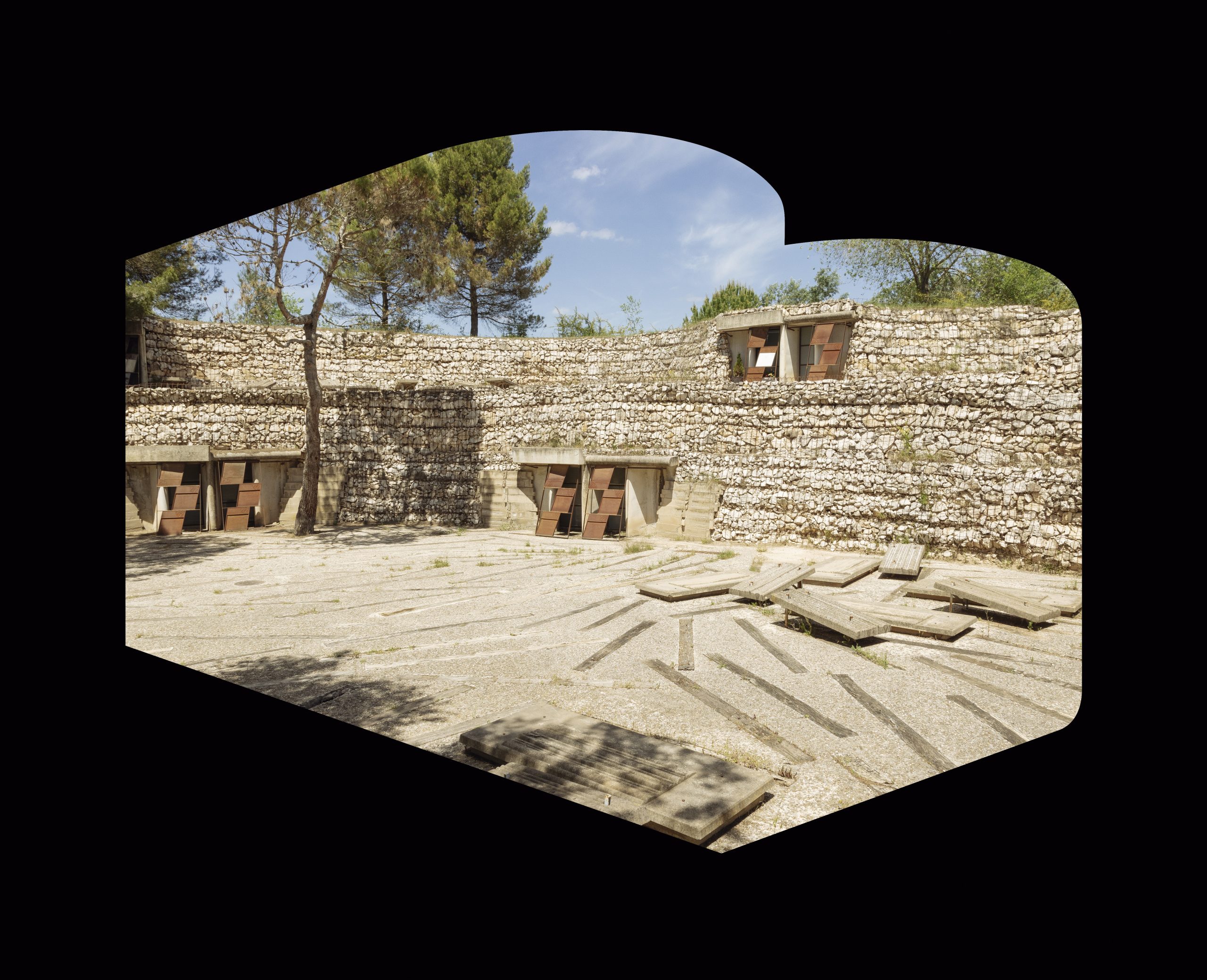
Finally, we suggest lunch at Can Jubany, a renovated —and therefore transformed— country house that houses chef Nandu Jubany’s excellent Michelin-starred restaurant. As the perfect end to the day, we recommend a visit to a legendary work by Enric Miralles and Carme Pinós: the civic centre of Els Hostalets de Balenyà, now converted into the town hall. The transformation in use that it has undergone over the years is harmless to an architecture that, with its structural presence and tectonic gestures, transcends and reverberates the ways in which it can be inhabited (before, now and in the future).
 8
8