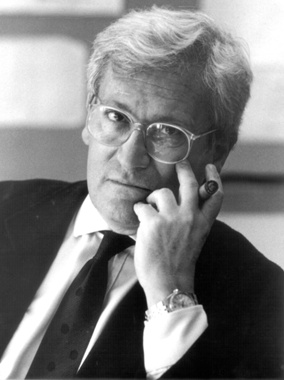
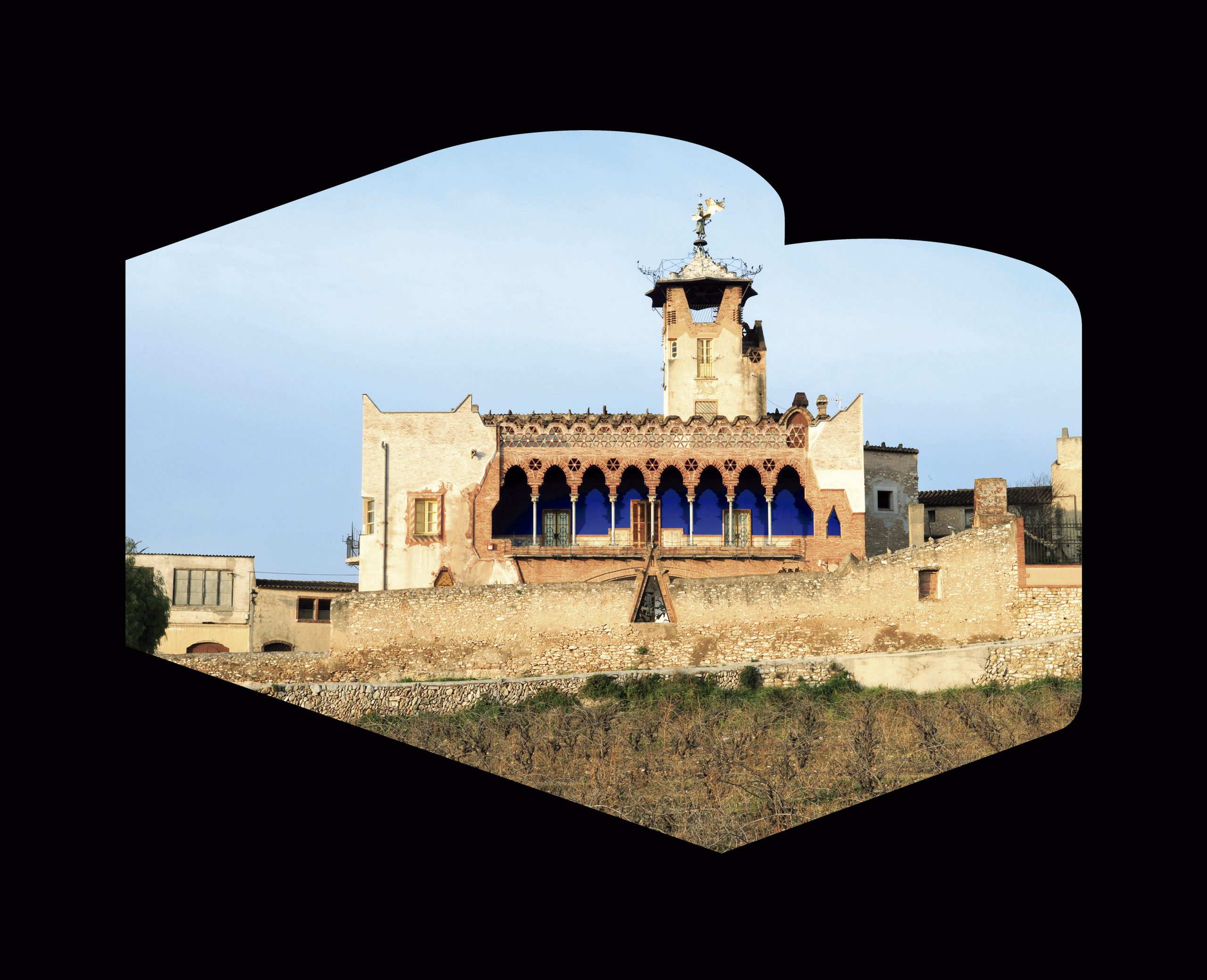
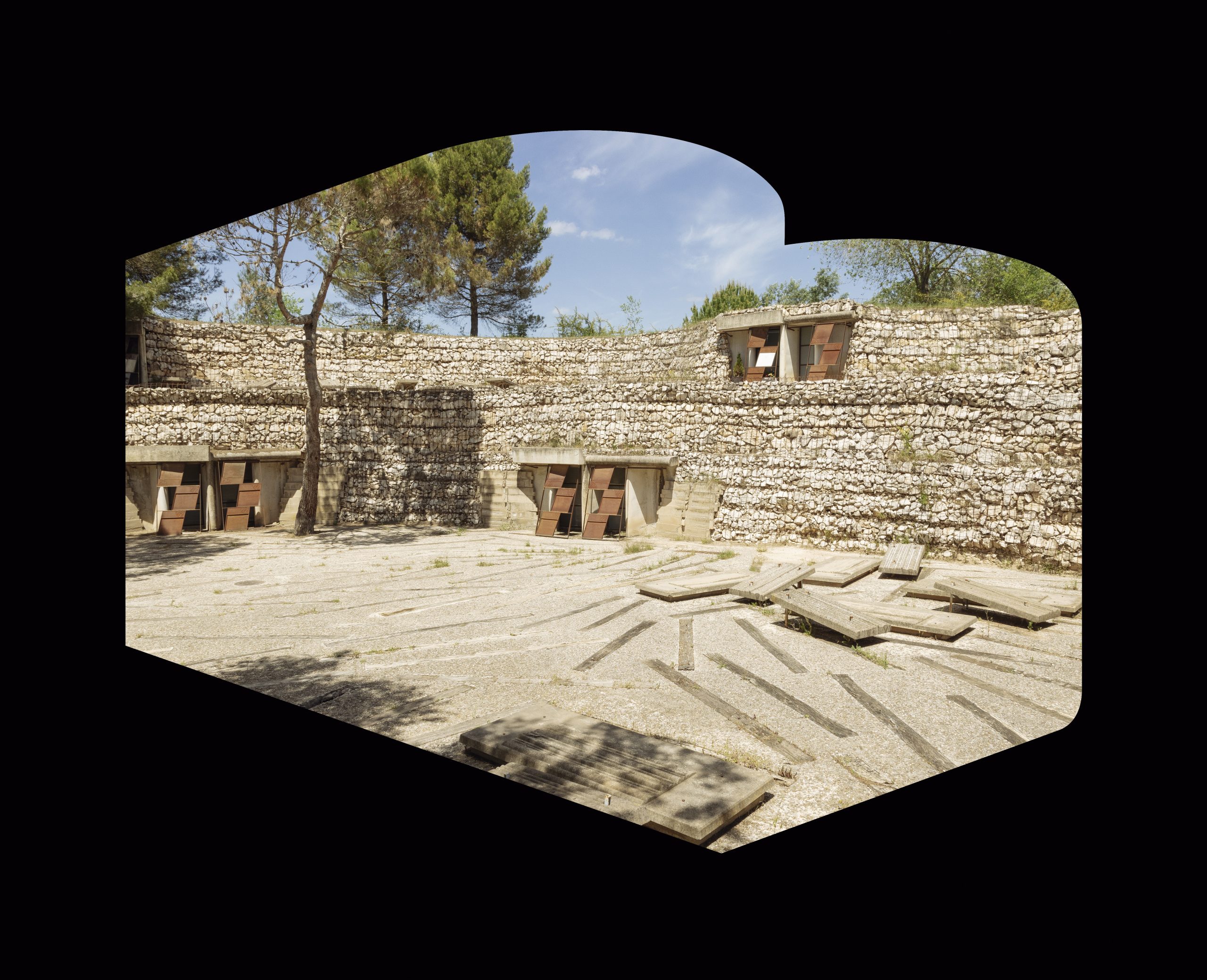
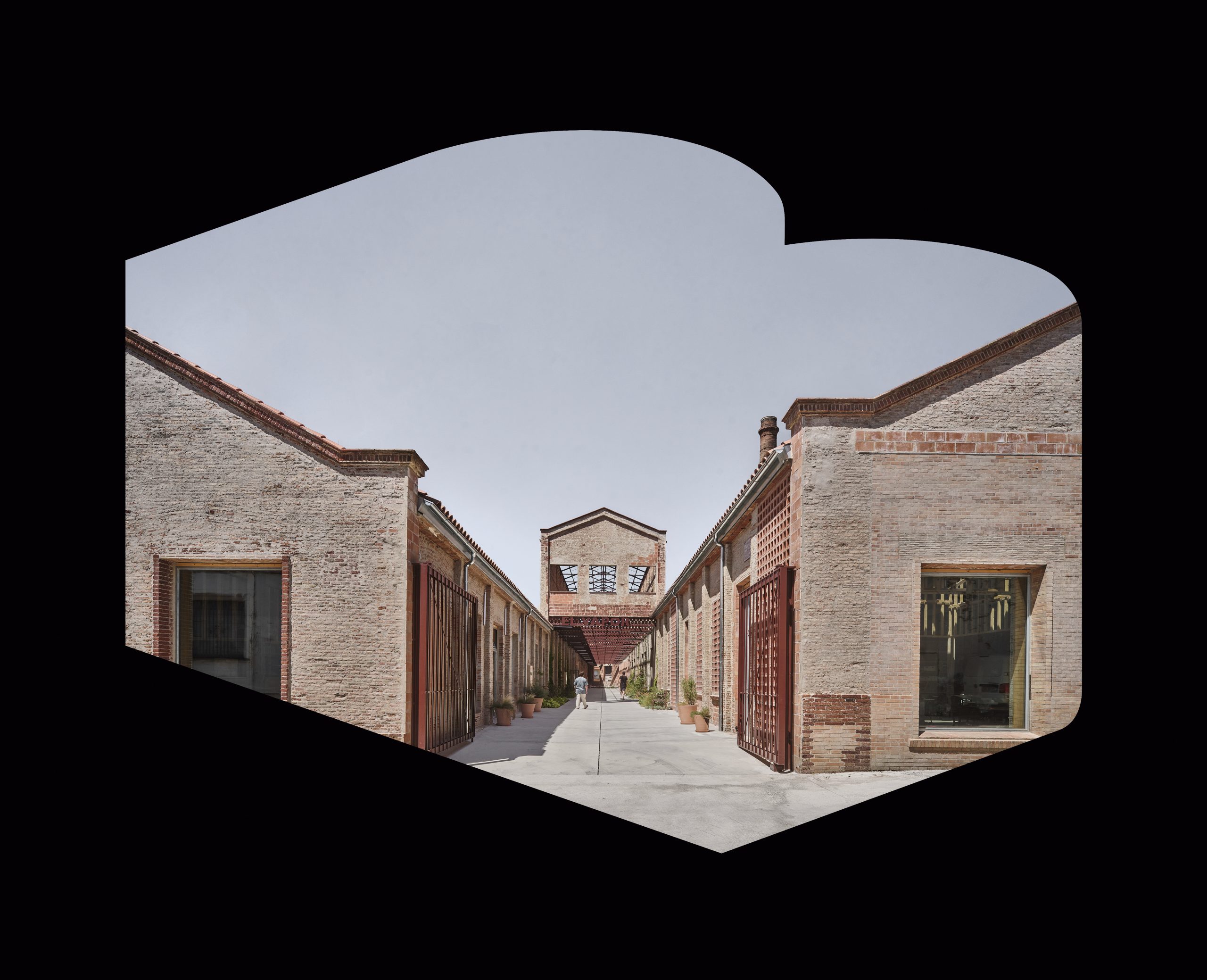
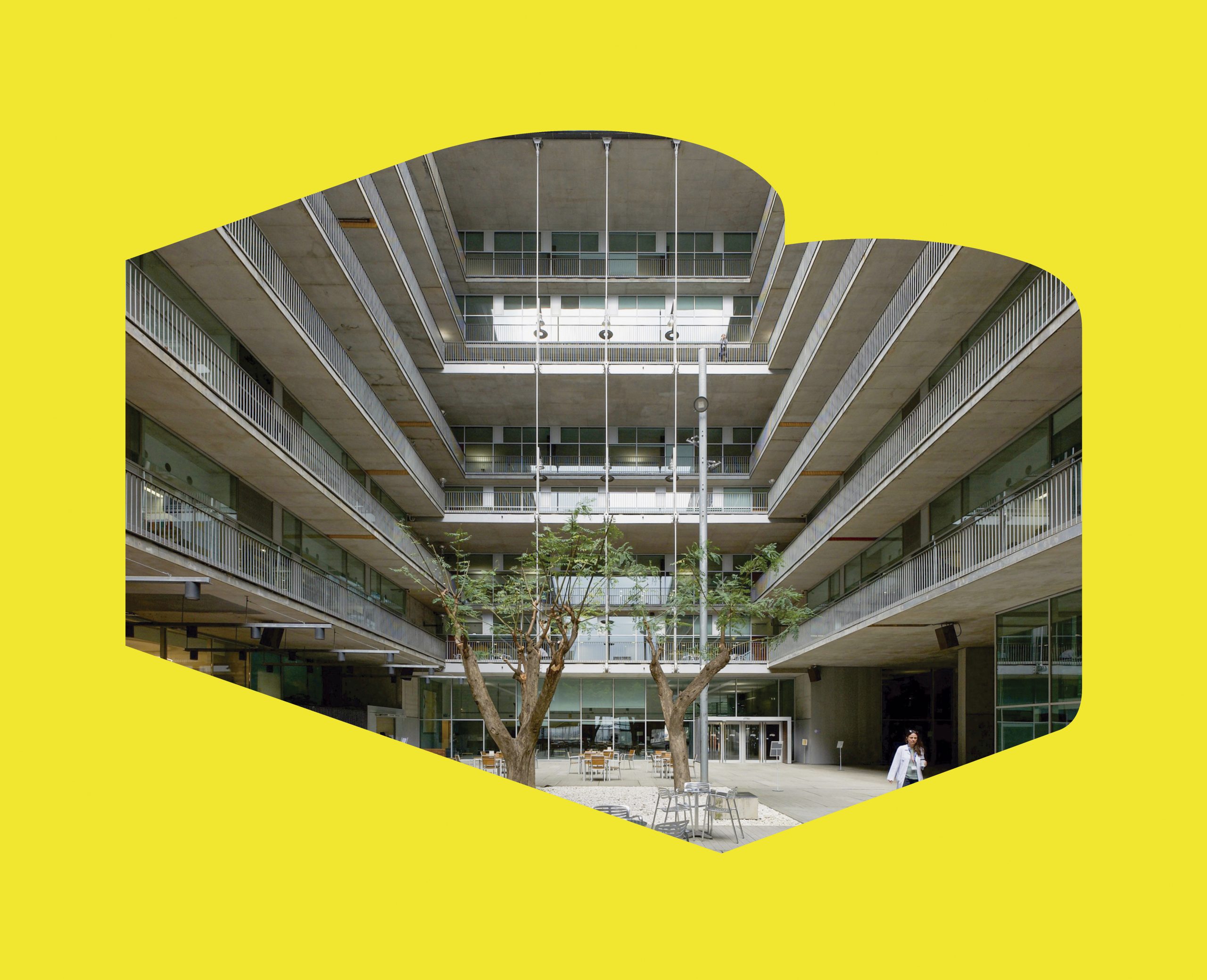
In an article by Oriol Bohigas published in 1968 in the COAM magazine Arquitectura, no. 118, entitled “A possible Barcelona School”, the architect and urban planner sought to highlight the architecture produced by Catalan architects based on the principles he himself defended, both architectural and intellectual, in contrast to the architecture produced in other parts of Spain.
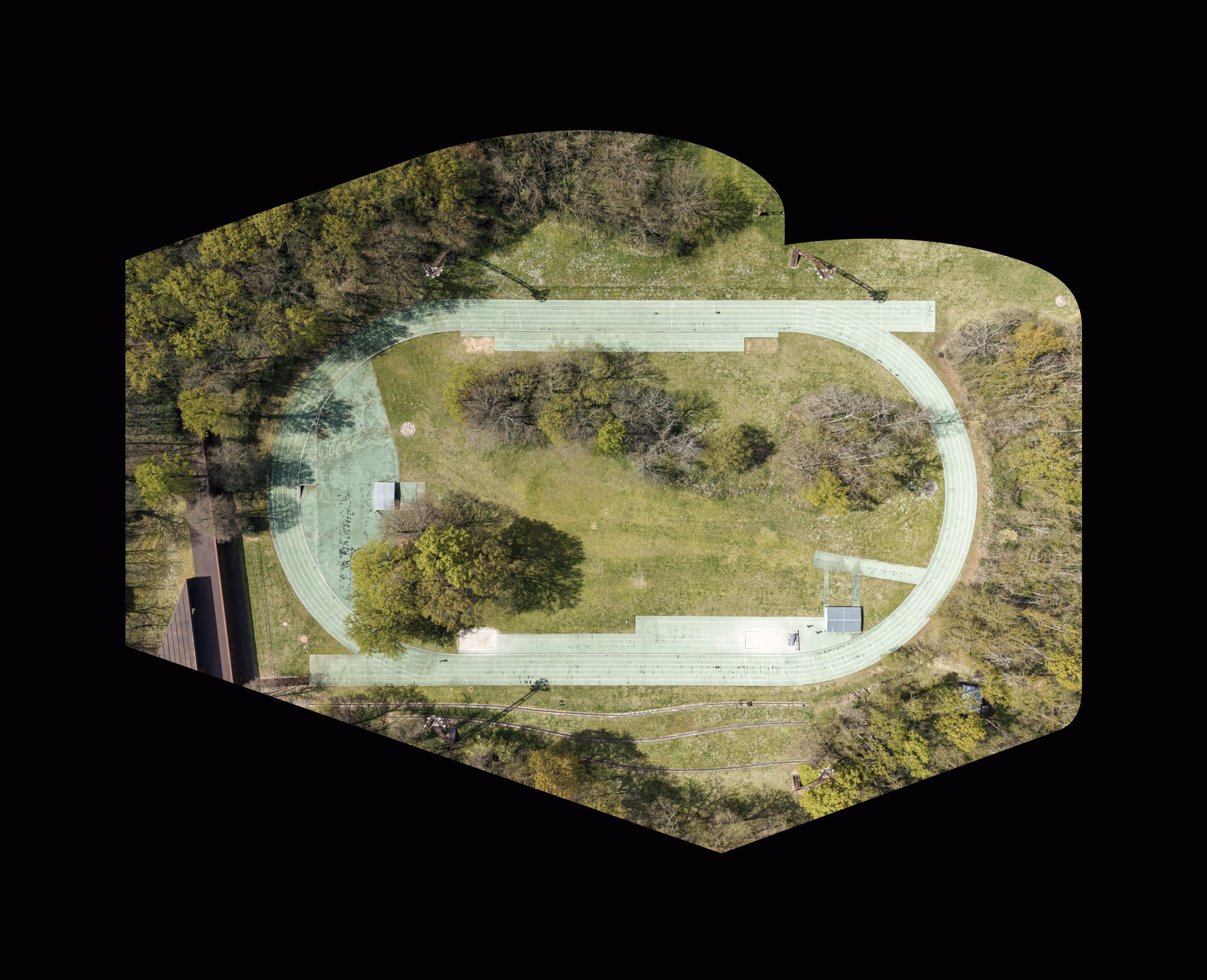
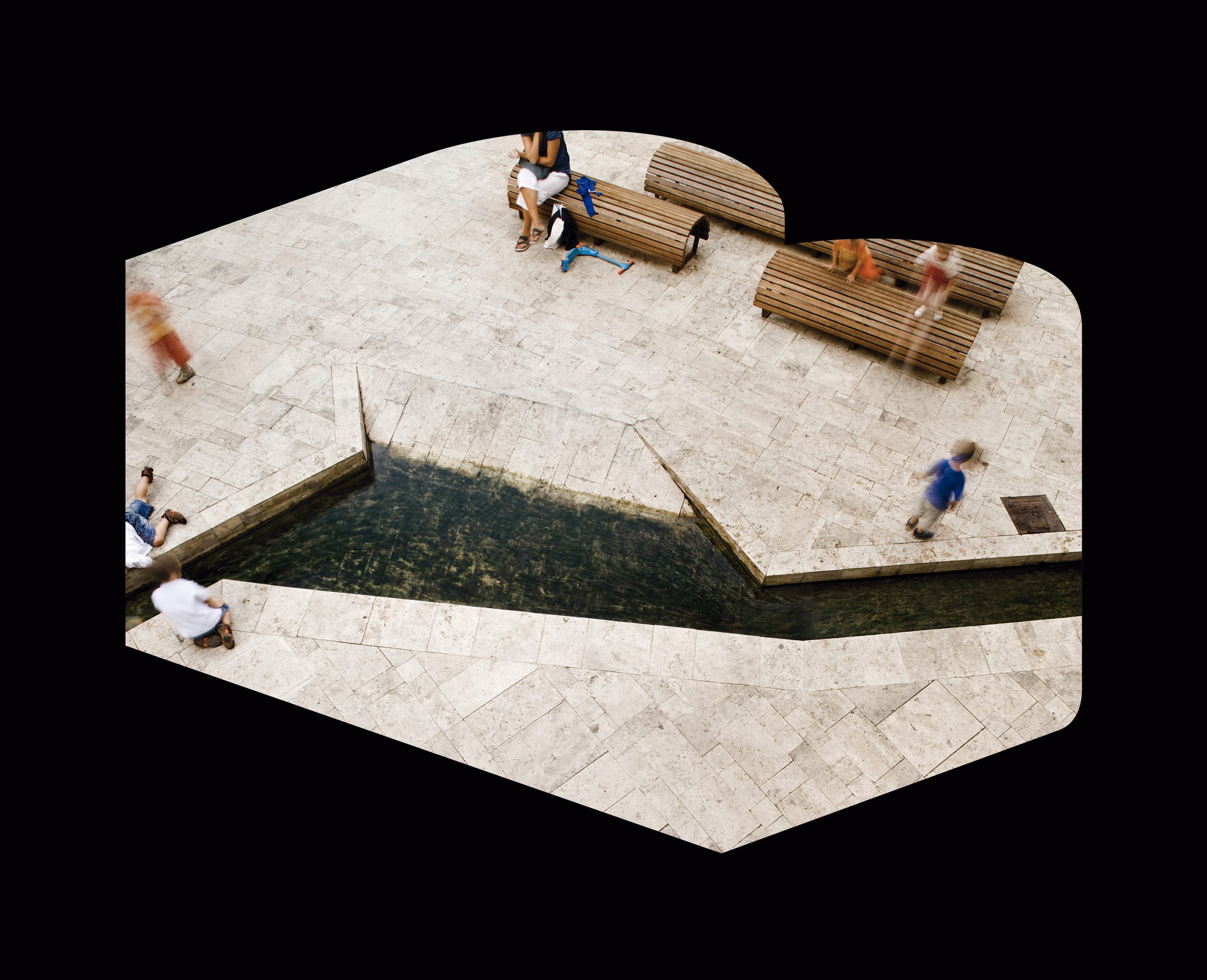
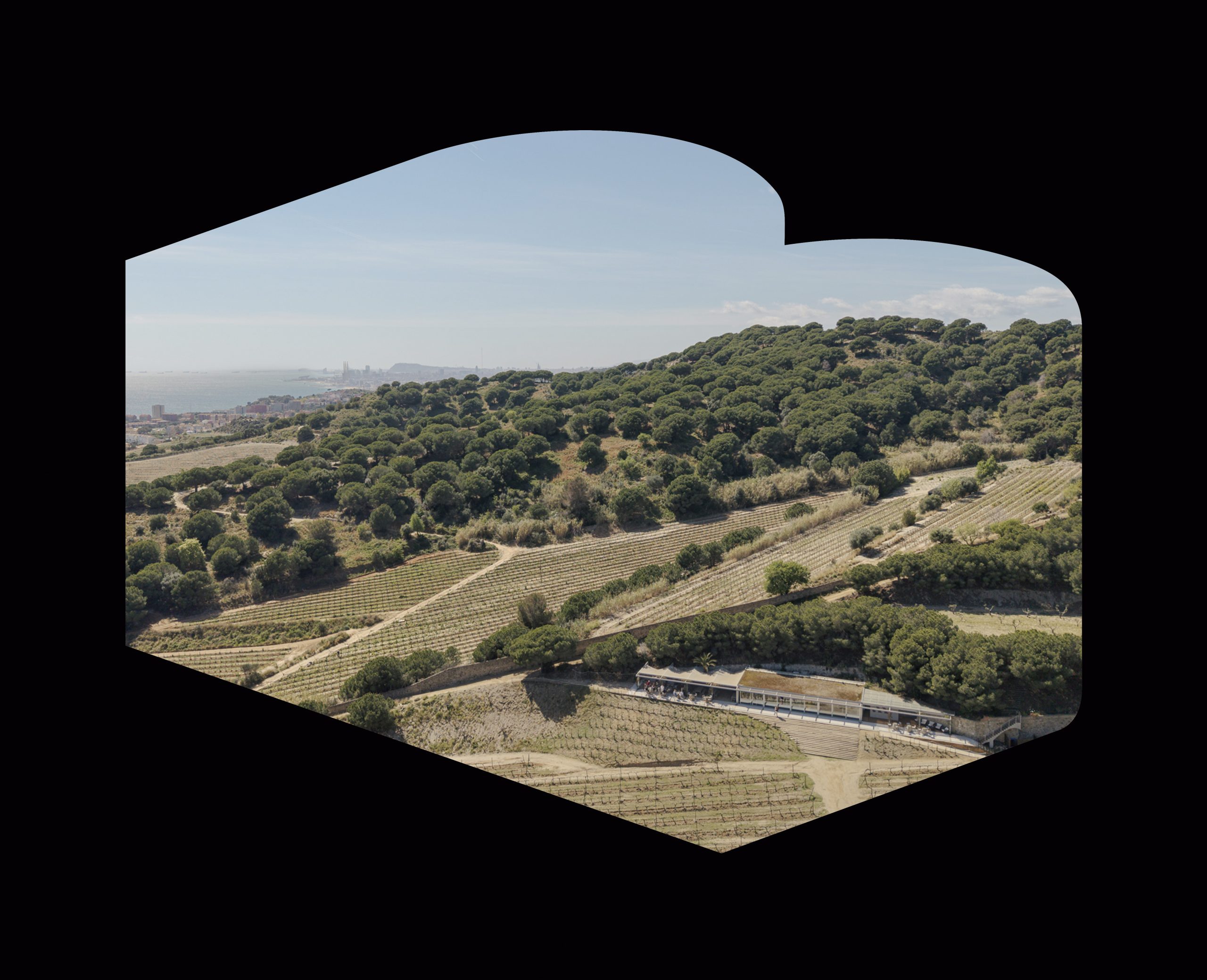
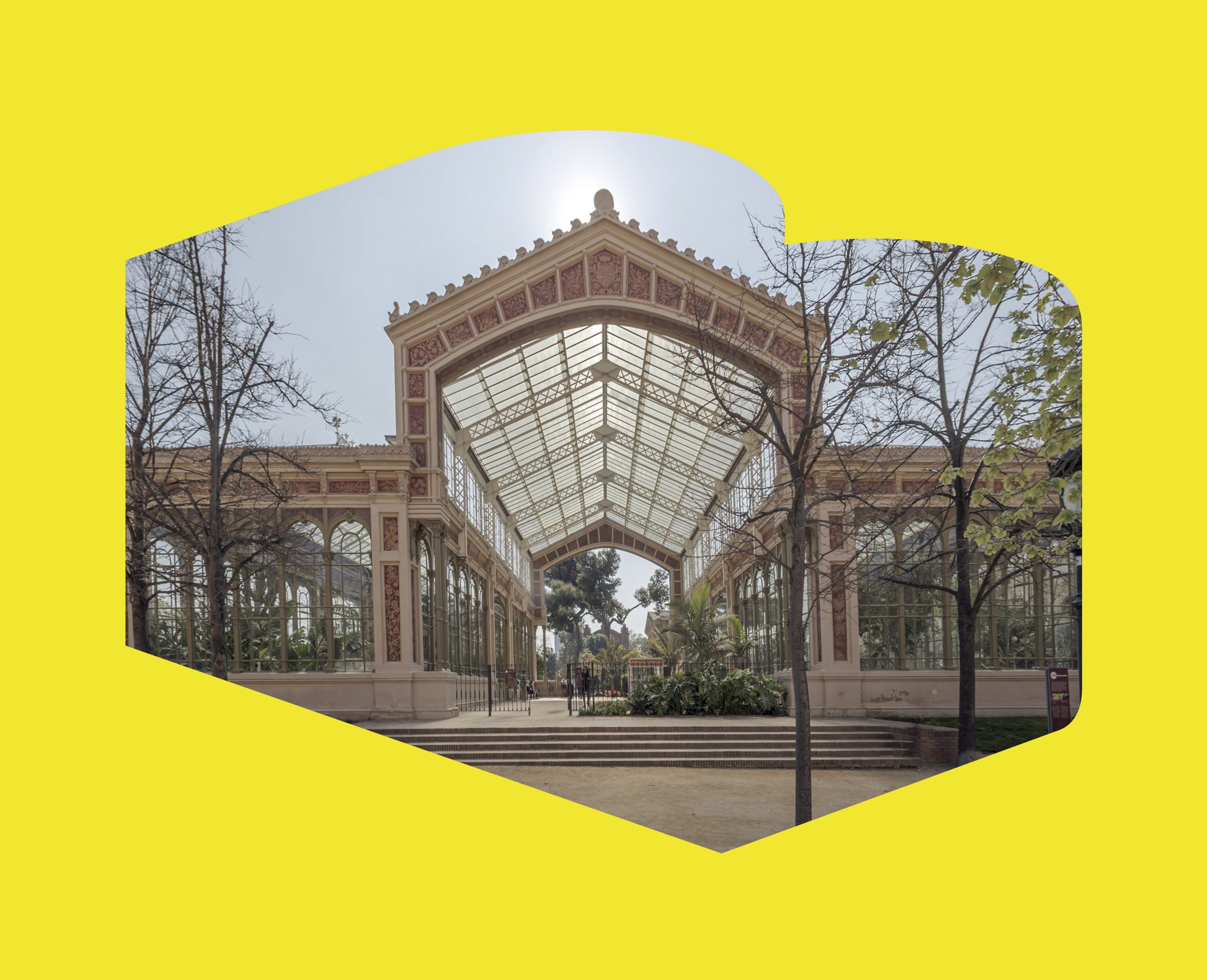
This route contains works selected by Bohigas himself to illustrate the original article, which are still standing and in good condition today, and are located within the metropolitan area of Barcelona. Overall, it can be seen that the selection begins in 1961, the same year as the dissolution of Grup R, which is no coincidence. Given the eclectic nature of Grup R, Bohigas wanted to lead one of its trends and make it hegemonic in Catalonia; this seems clear from the fact that he called himself the ‘Barcelona School’, choosing the name of the city over other contemporary local architectural sensibilities, and also from the fact that he entered the national debate as the leading representative of this approach. Indeed, the first paragraphs of his text attempt to explain and justify this point with subtlety.
Looking at the Milan School, with whose members he maintains a relationship – and from whom he will continually draw lessons since José Antonio Coderch and Federico Correa brought them into contact – Oriol Bohigas defines in his article the principles that govern this way of understanding architecture, some of which are summarised in the following paragraph: ‘by the technology used to achieve it, regardless of what that technology is, regardless of whether it is more or less advanced, more industrial or more artisanal. Second: consideration of the logical demands of the language itself, a term that we should develop more fully if we had more time at the outset and the process to respond honestly, and construction, with a certain emphasis on technological expression.’ This avant-garde post-rationalism, which finds its distinctive expression in the country’s cultural tradition and its technological reality —backward and impoverished— will be hegemonic until the 1970s, when the postulates of an incipient late modernity and postmodernity arrive with enthusiasm and as a novelty, with communication, history and symbolism as the new winning horses. And there, both Bohigas and his ‘Barcelona School’ will be present.