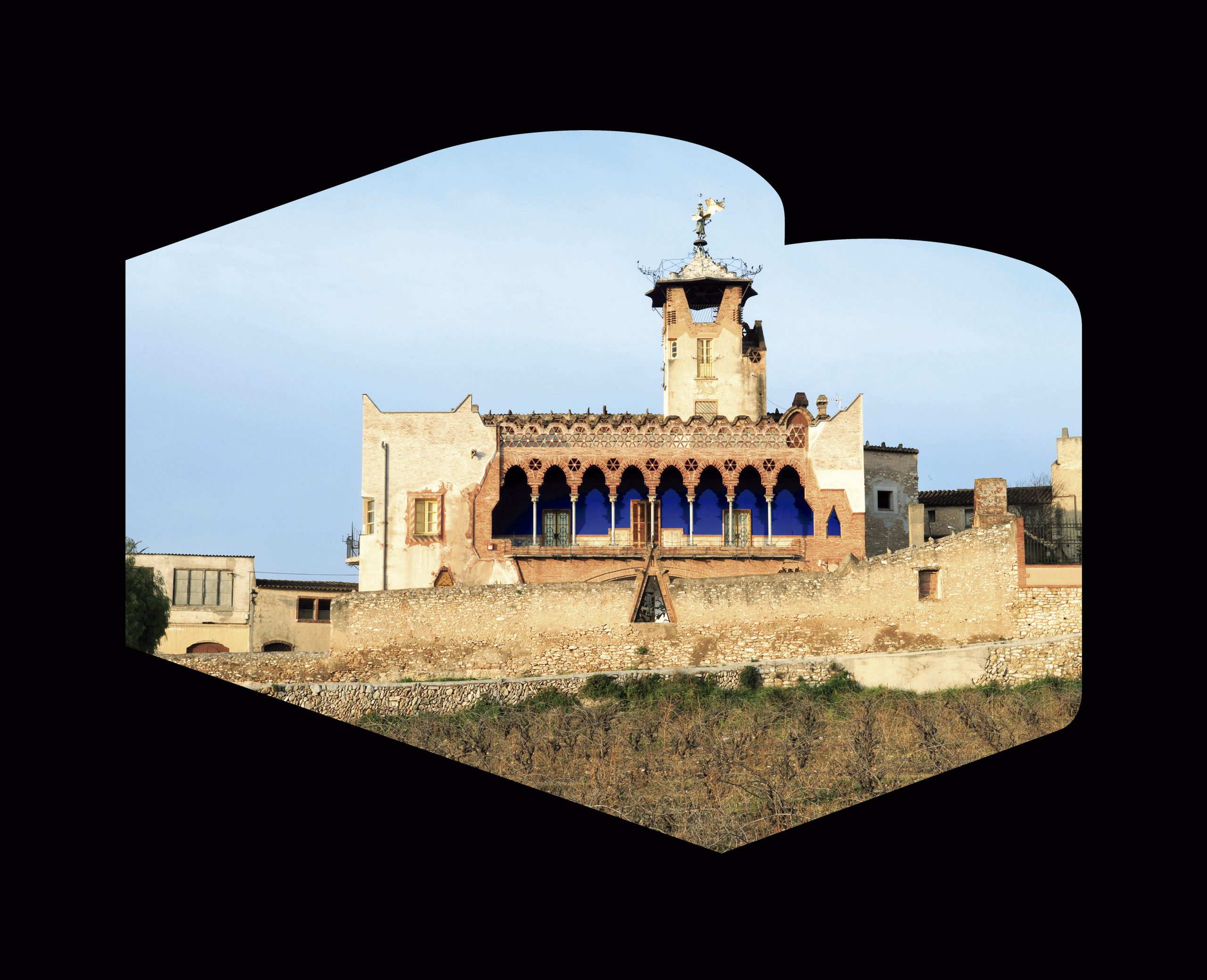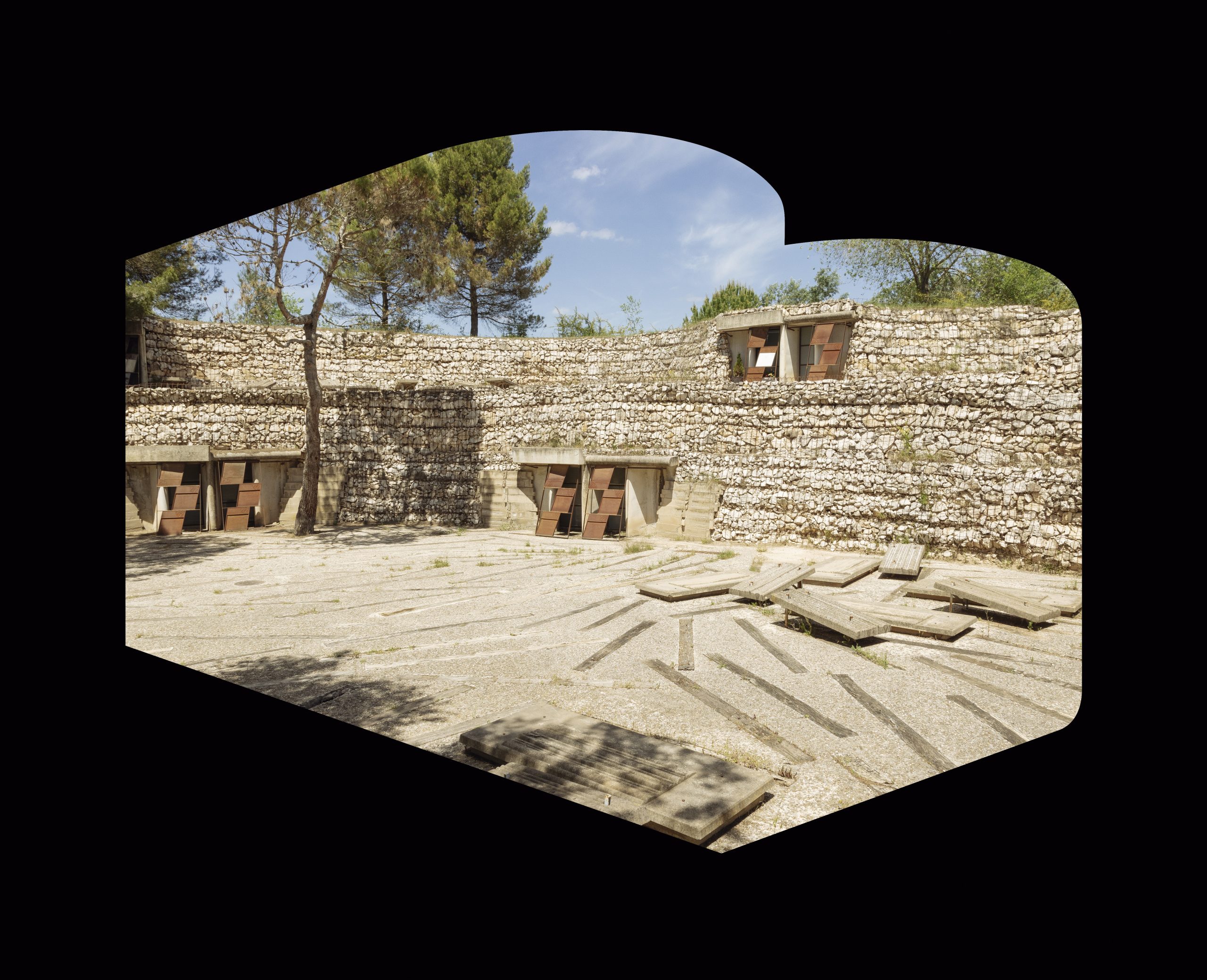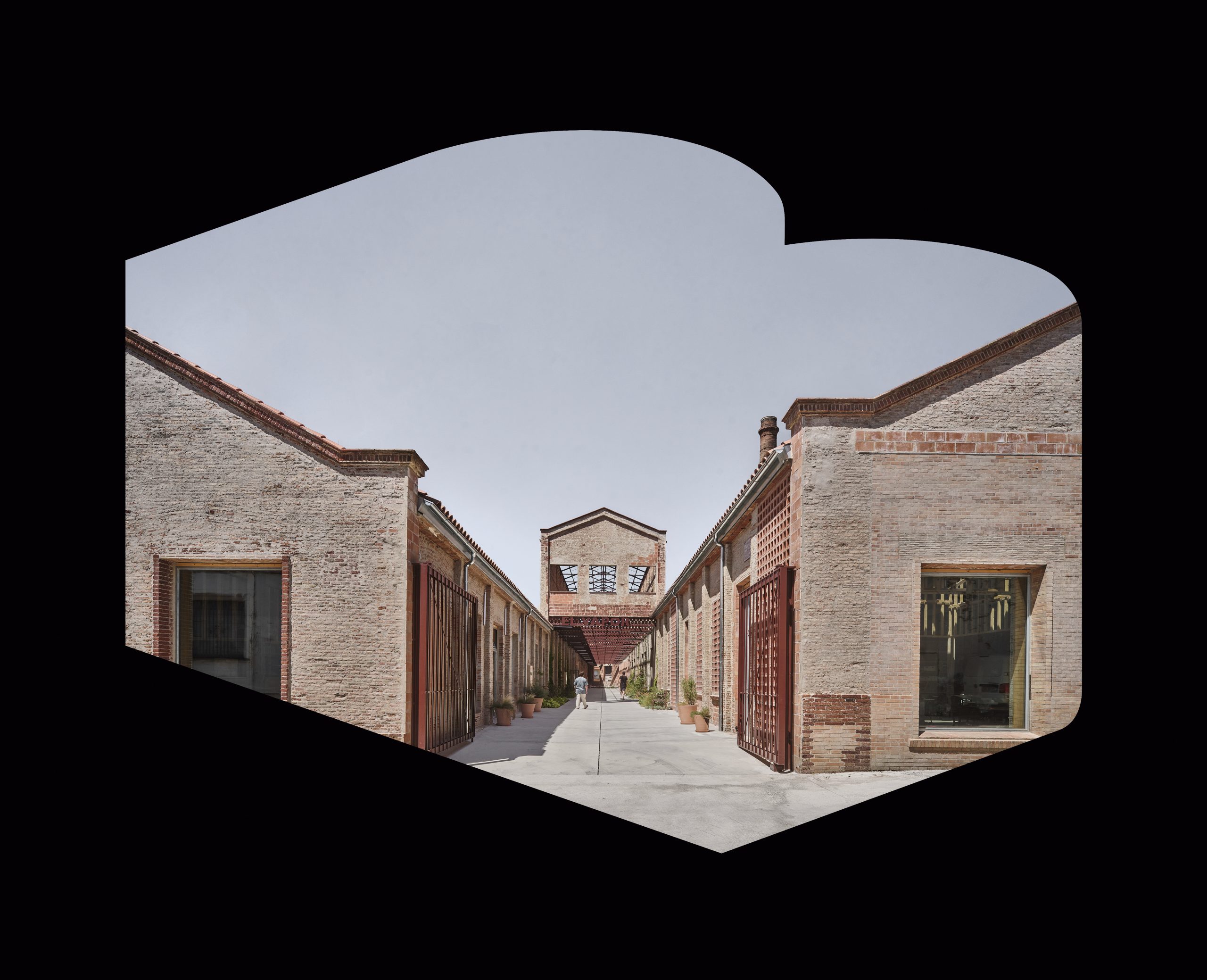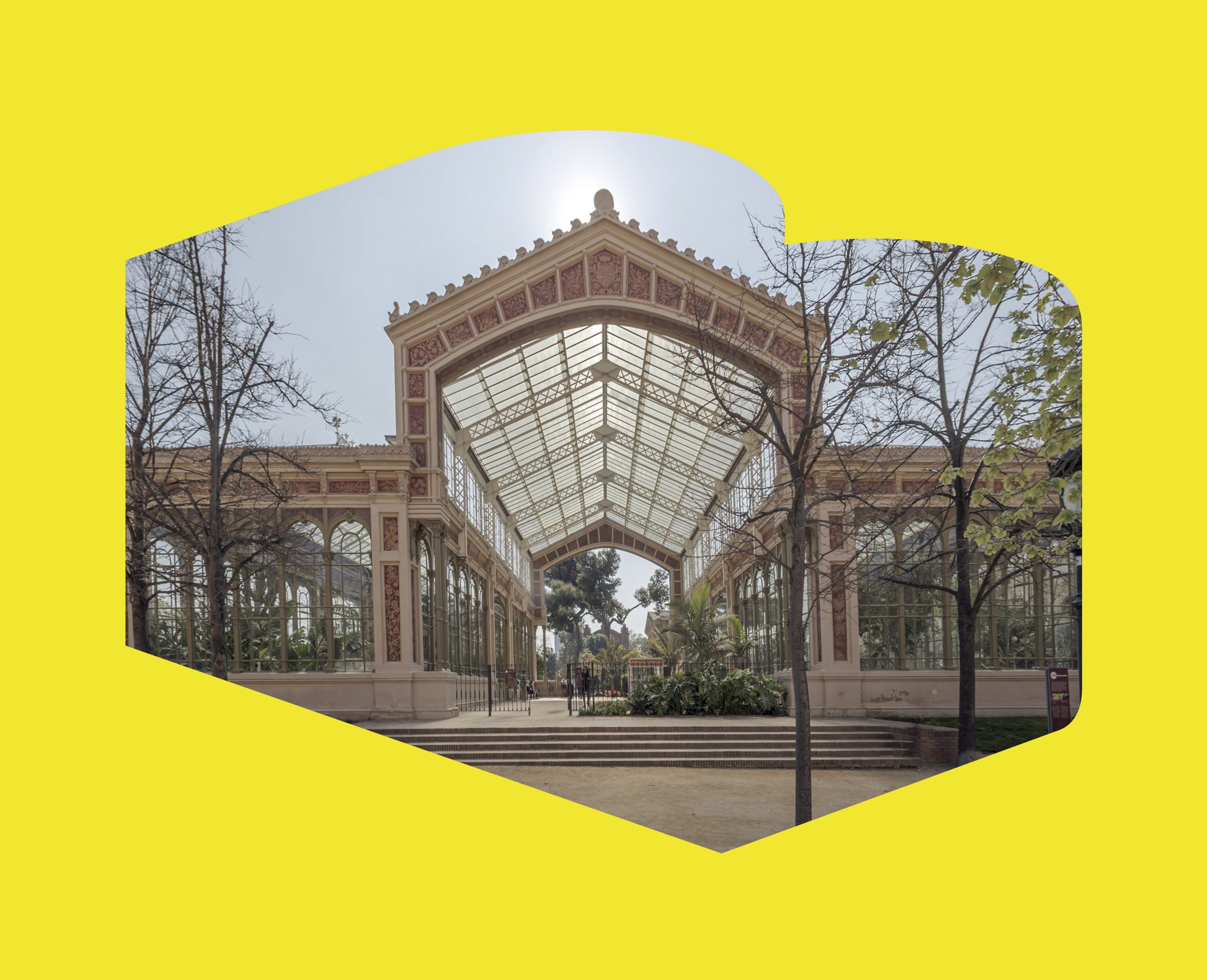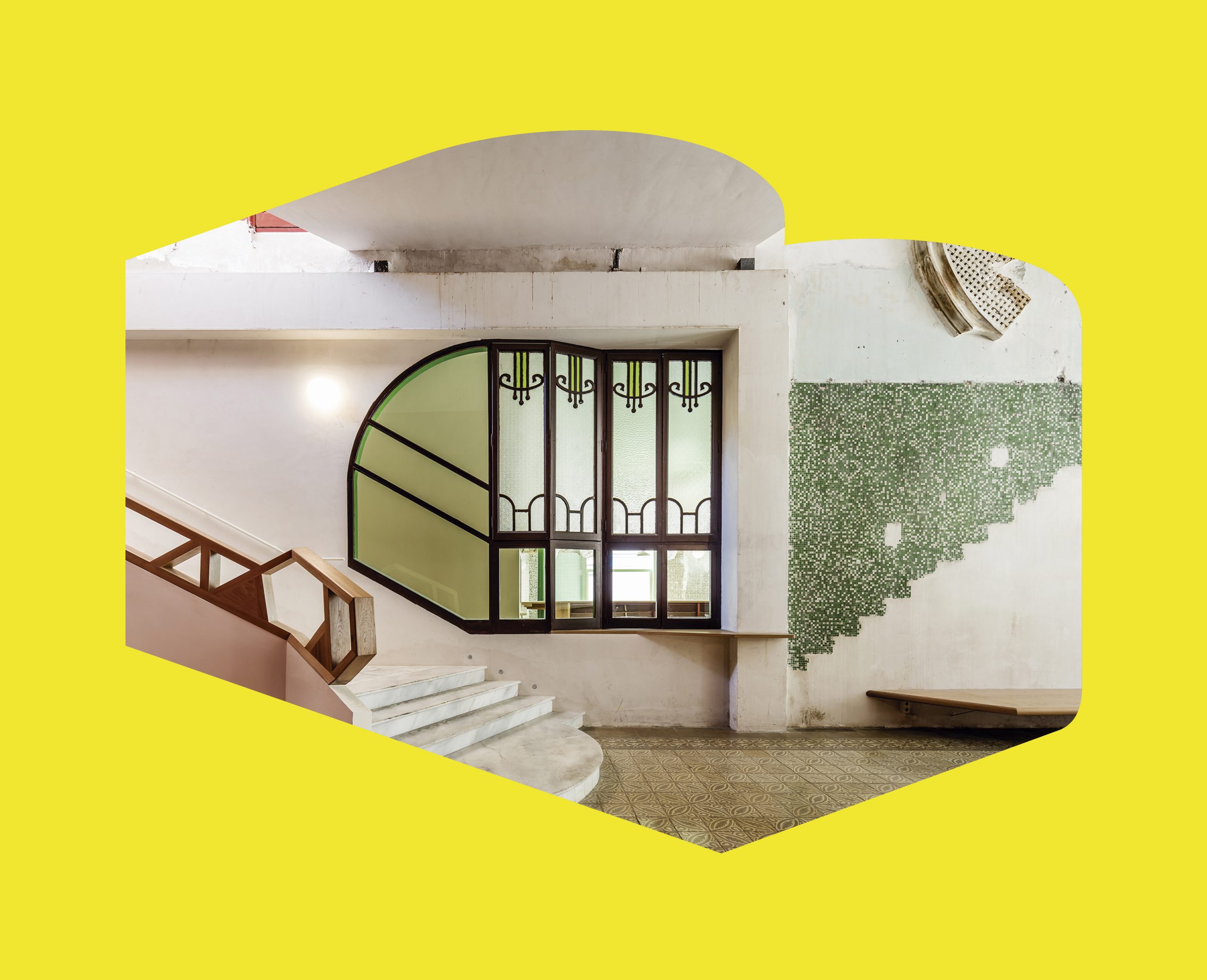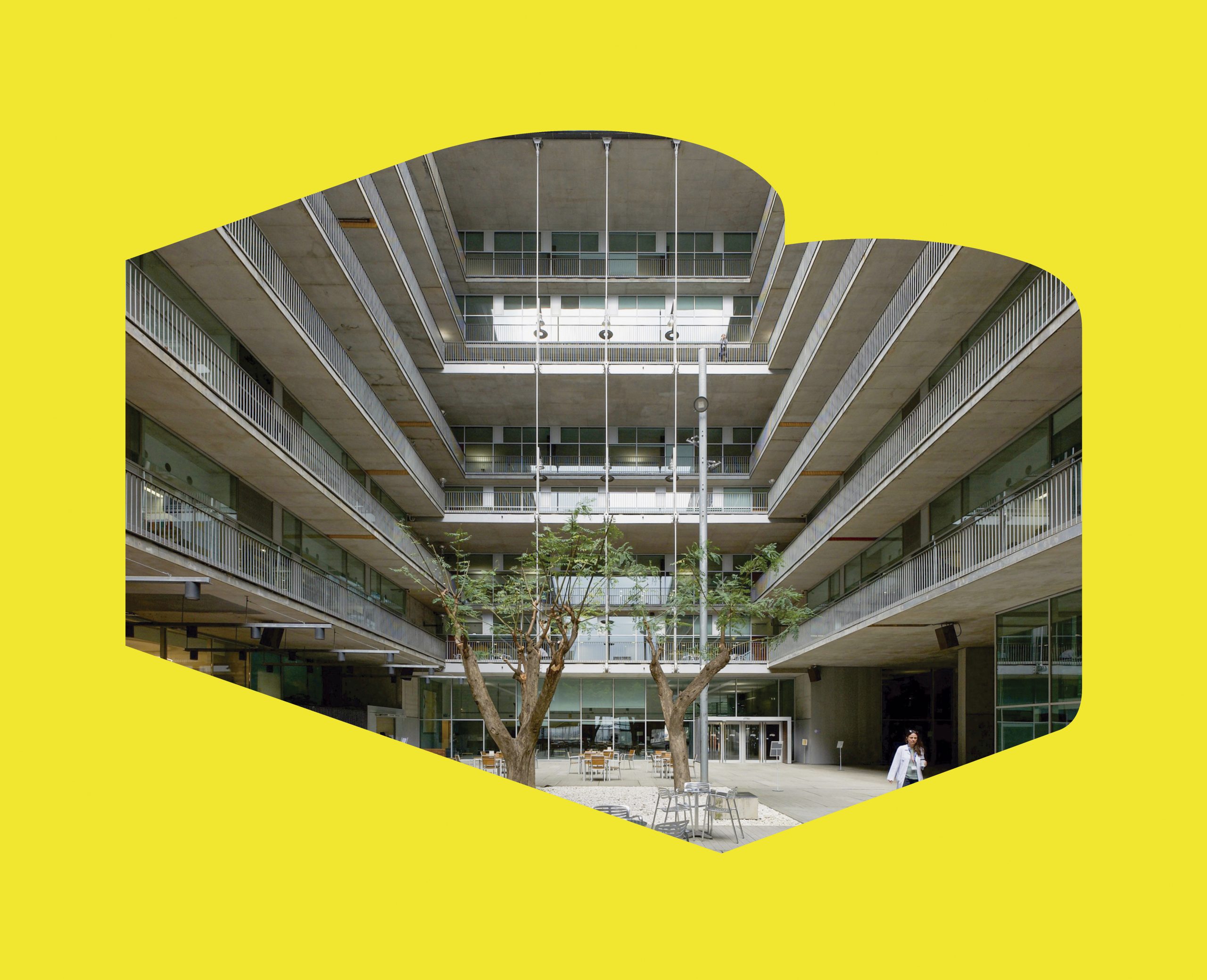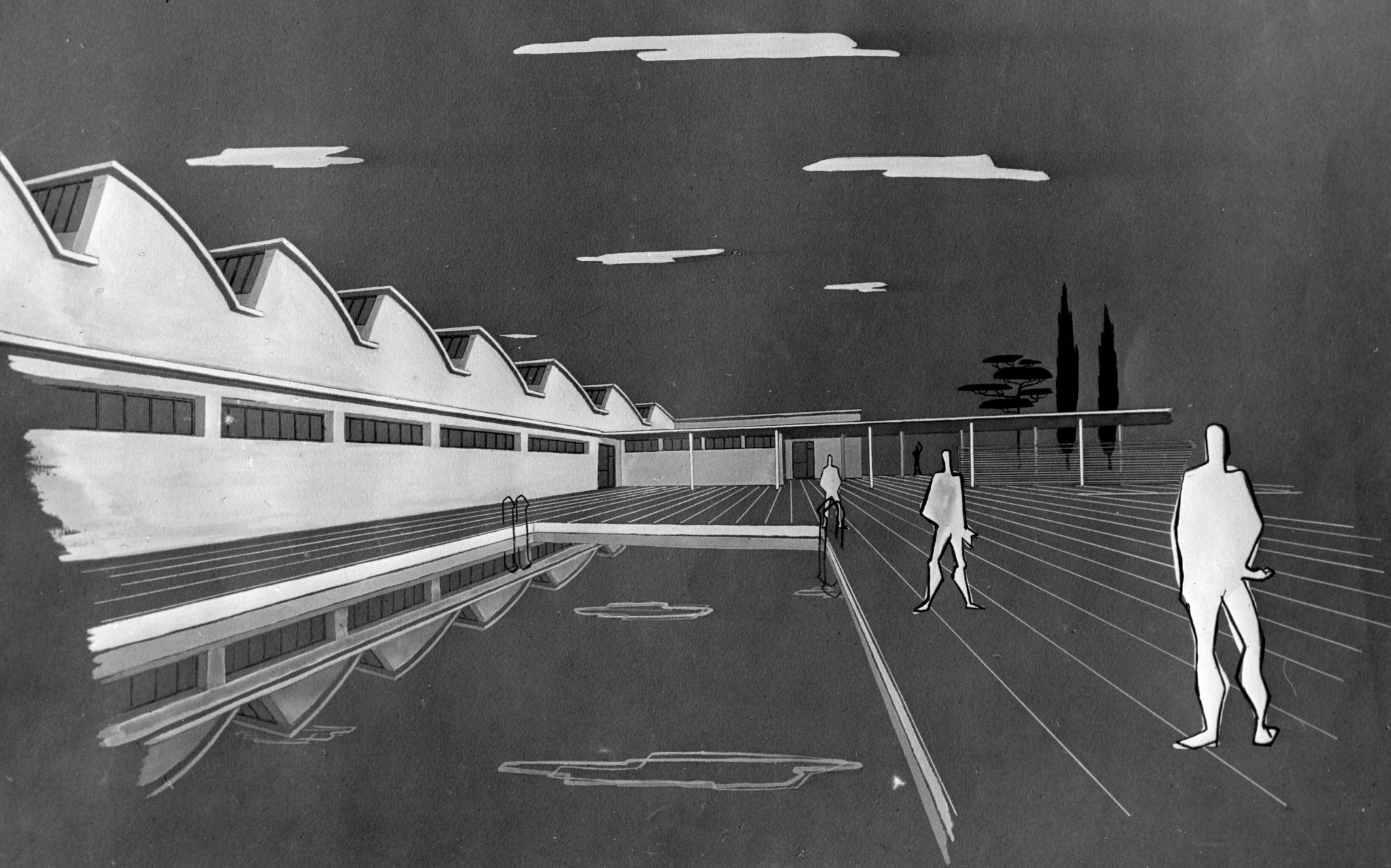
This itinerary through the four regions of Terres de l’Ebre stems from the celebration in 2024 of Bartlett Year, which commemorates the hundred years since Agustí Bartlett i Zaldívar began his career as municipal architect of Tortosa until 1962, when it became the city of the Spanish Civil War.
Rivers have always been key factors when it comes to establishing a community in a territory. Everything was controlled from the river: trade, transport and navigation, establishing such a close relationship with the people that the surrounding populations grew. This is the case of the Ebro and the region it gives its name to: the Terres de l’Ebre, a territory clearly marked by the presence and importance of the river, the link between the regions that make it up.
The influence of the river on the towns of the Terres de l’Ebre is also reflected in their architecture, and is clearly evident in the rich heritage of Tortosa and its strategic location next to the Ebro. This position caused great devastation during the Spanish Civil War.
The destruction of the war forced the reconstruction of numerous cities, as well as public and private buildings characterised by a more conservative and academic architecture, which in many cases was looked down upon.
Post-war architecture, which is aesthetically unknown, deserves analysis and recognition as an integral part of life in our cities. Many of the buildings from this period were inspired by and based on the rationalism that would develop throughout the world until approximately 1965.
A clear example is Poble Nou del Delta, at the start of the route, designed by architect José Borobio between 1954 and 1956. In the case of Tarragona and Terres de l’Ebre, a total of 59 buildings have been catalogued, the vast majority of which belong to this period.
This architecture is based on reason, using simple geometric shapes and industrial materials (steel, concrete, glass), eschewing excessive ornamentation and placing great importance on simple, functional design, as we can see in Bartlett’s extensive legacy.
This route sheds light on a little-known but very interesting style of architecture; in fact, some of the elements that can be seen are catalogued by the Docomomo Foundation, and the proposed route will make us look at rationalism and post-war architecture with new eyes.
 6
6
 2
2