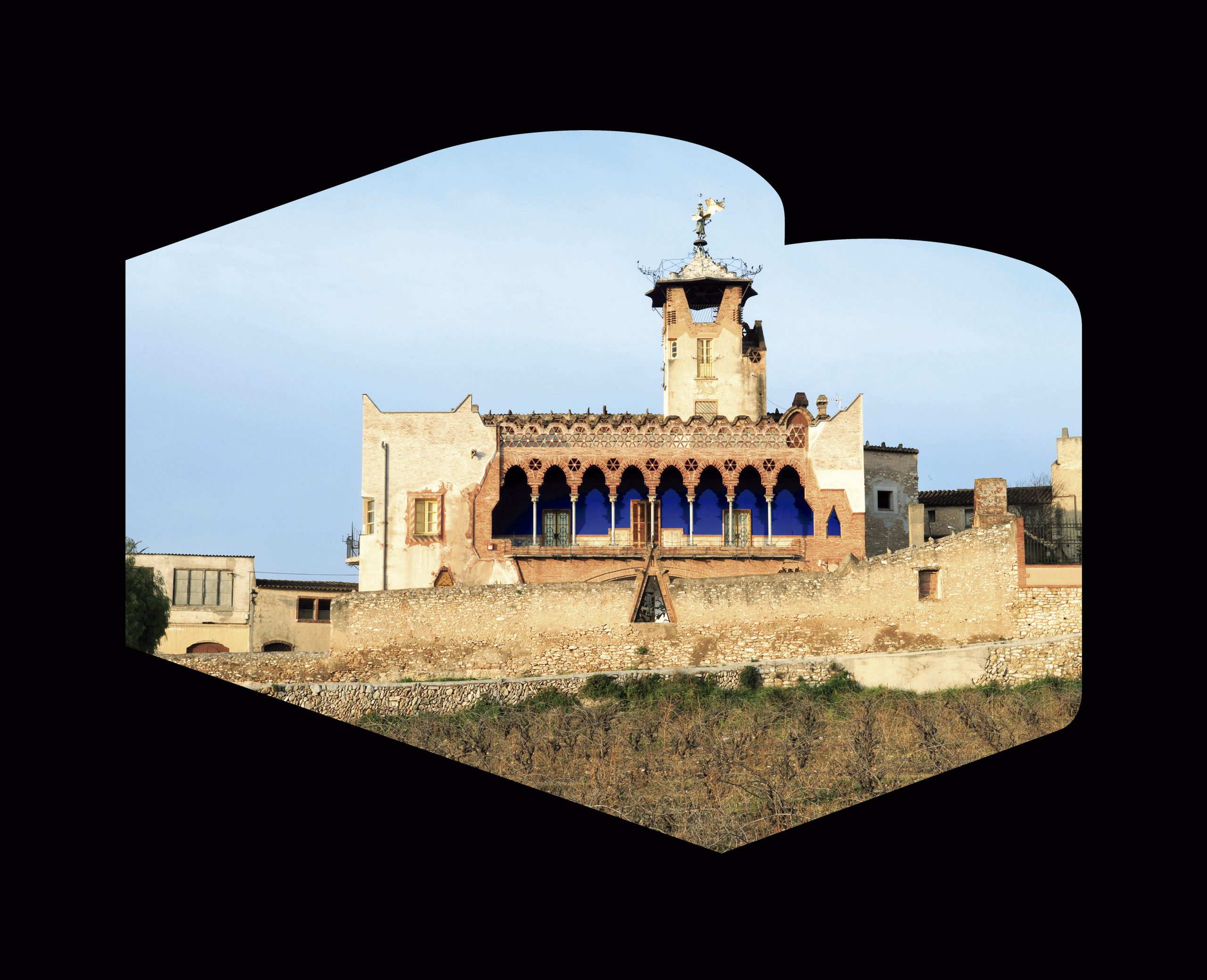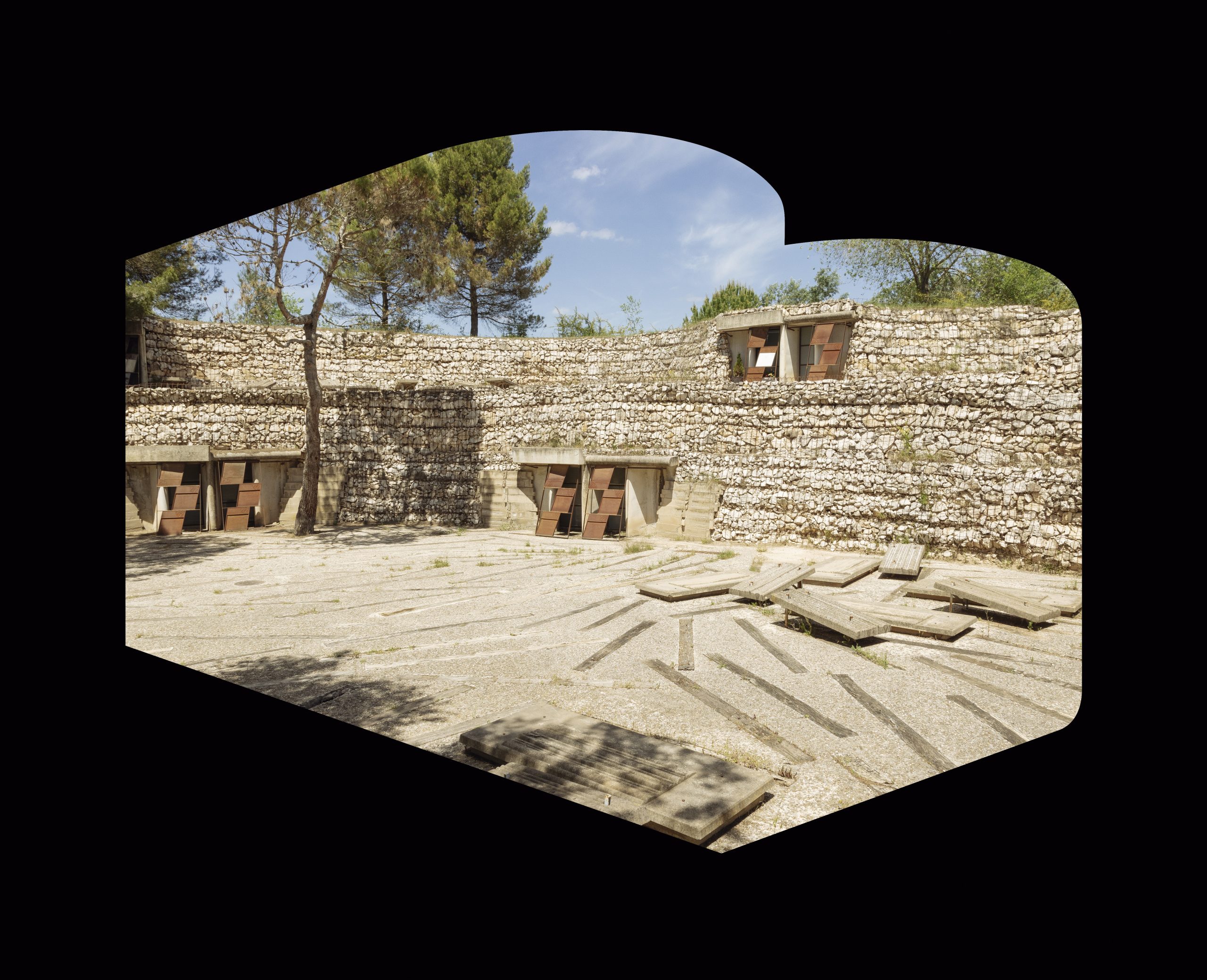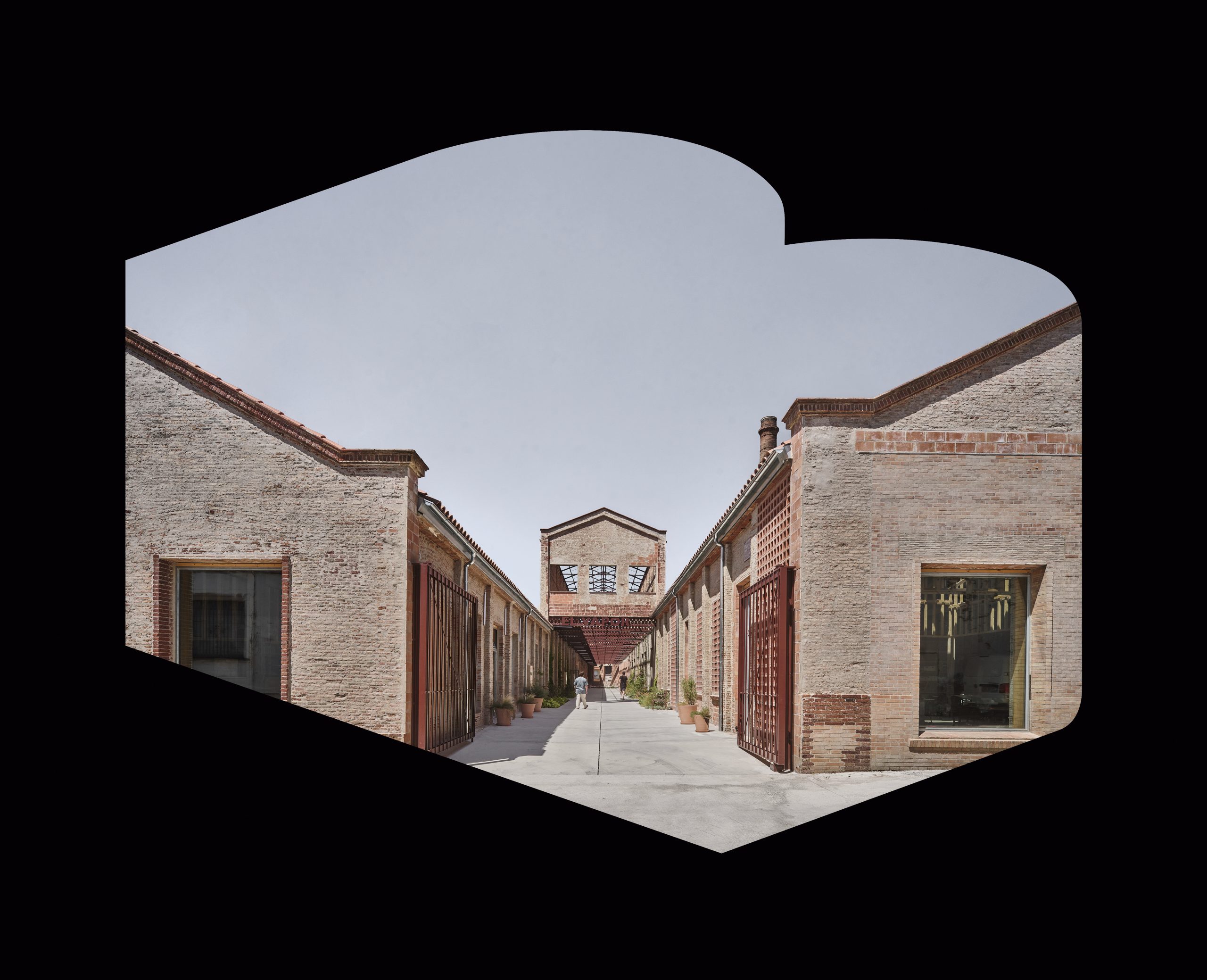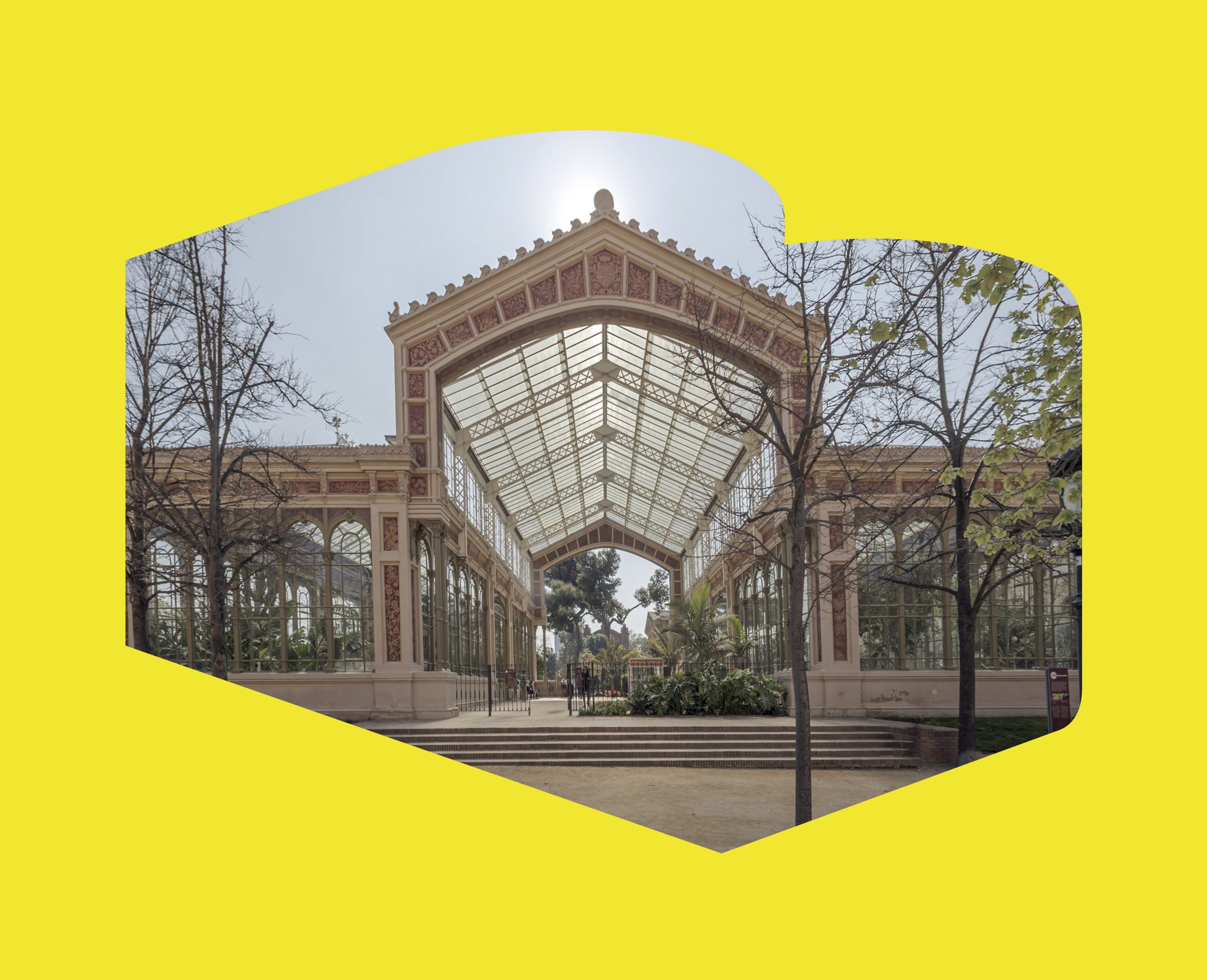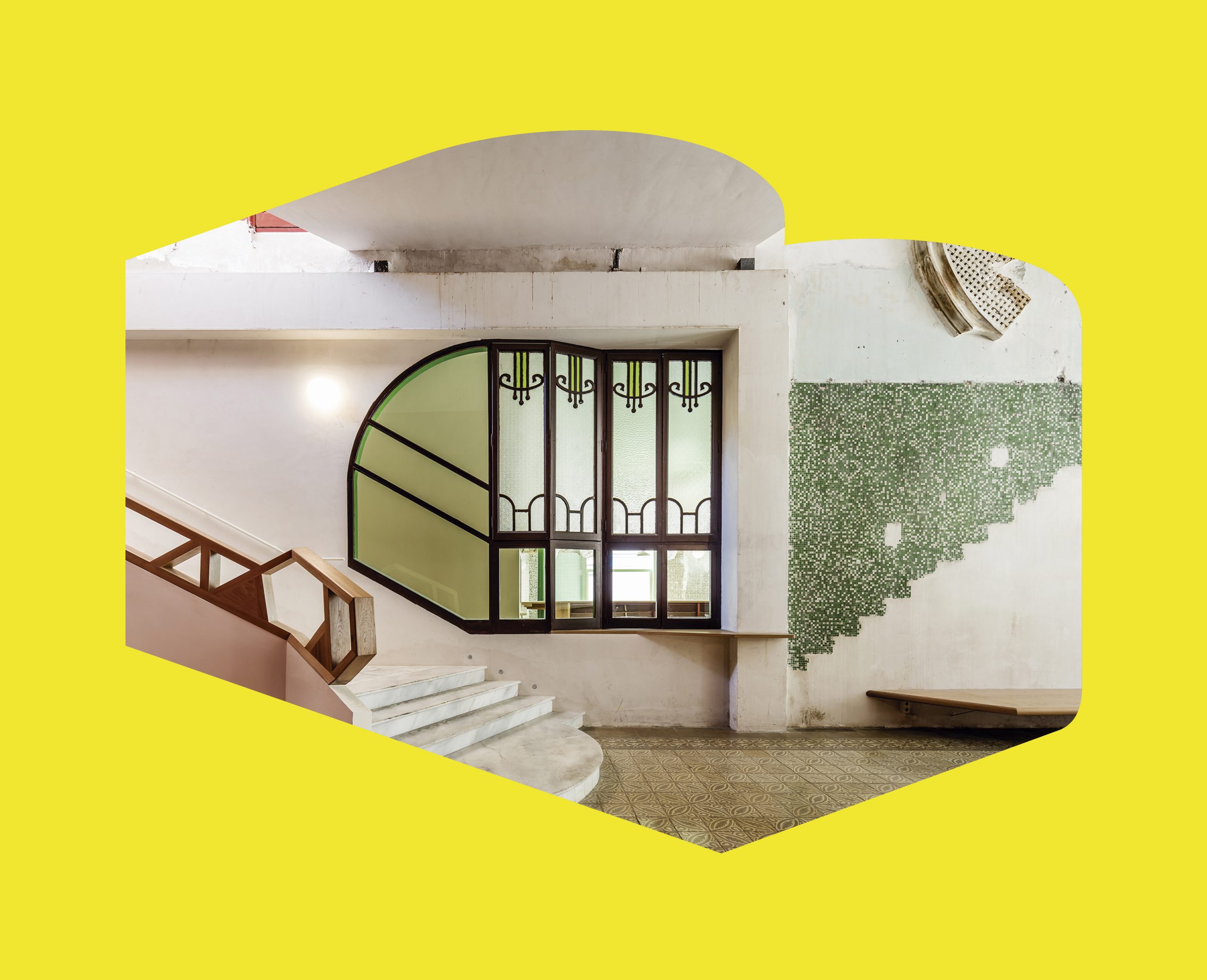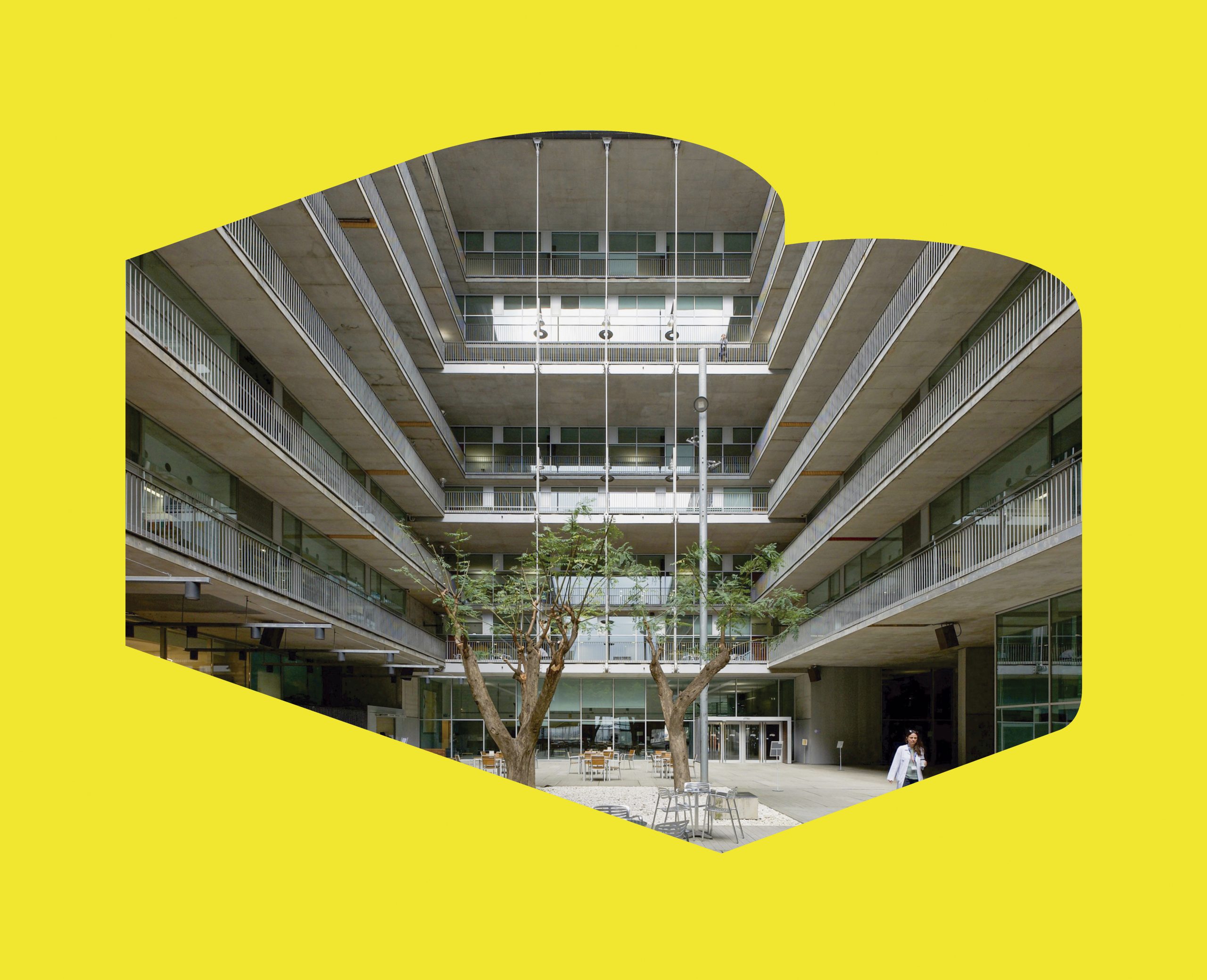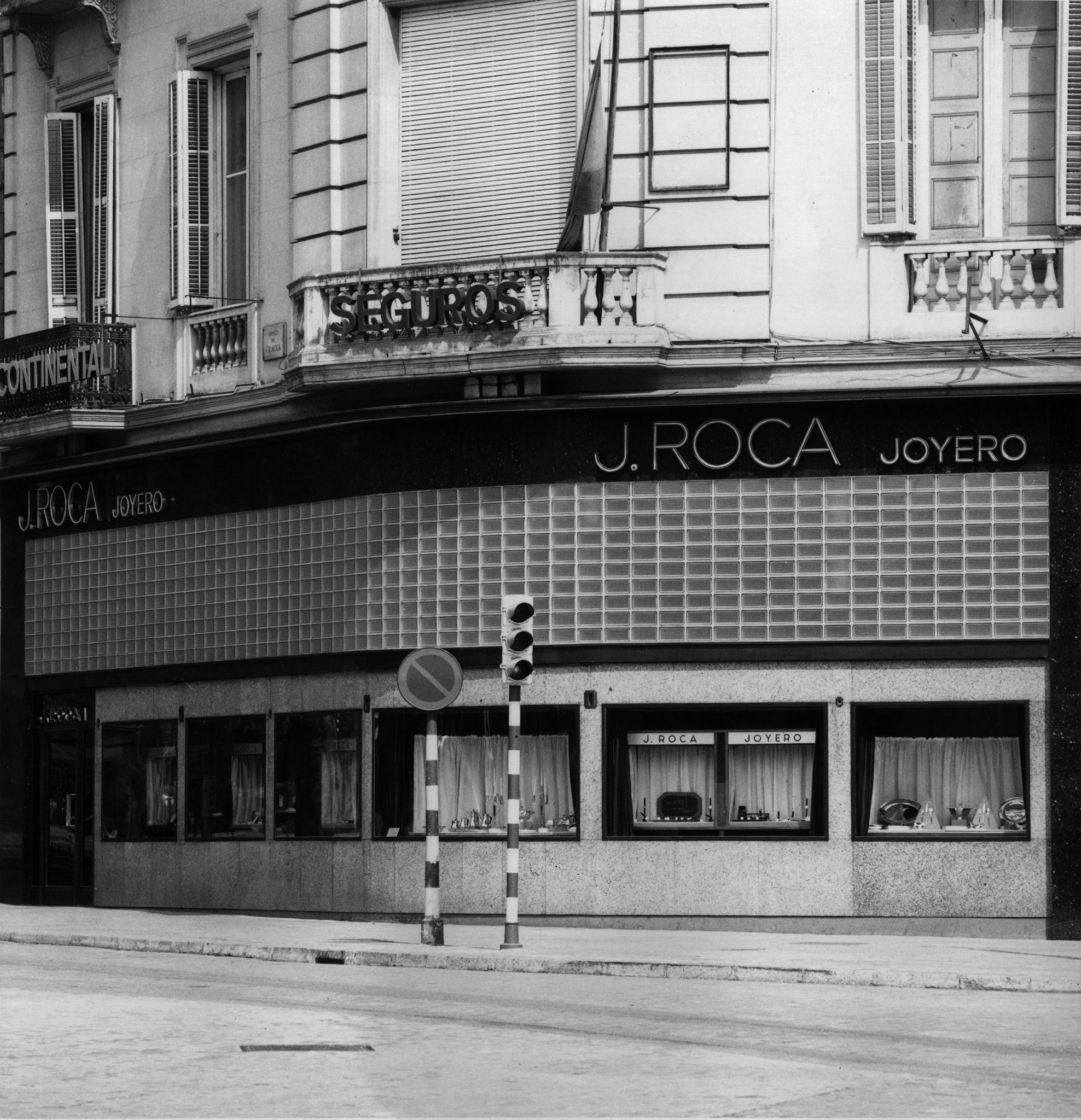
We usually associate Rationalism with the orthodoxy of GATCPAC, an essential reference point for local modernity. But beyond radicalism, black and white, we find a range of greys where we can include other architectures that, with varying degrees of intensity and with different references and aspirations, applied the precepts of avant-garde architecture. With influences that always came from experiments beyond the Pyrenees, we can say that there are many examples that already point to a definitive overcoming of Modernism or Noucentisme, or that, little by little, are becoming a phase of its metamorphosis. And many of these approaches predate the presentation of GATCPAC to society in April 1929.
During this period, Eixample Dret, especially in the vicinity of Passeig de Gràcia, began to be a fairly consolidated and built-up area of Pla Cerdà, where construction had long since won out over the street layout. However, some vacant lots would still bear the mark of rationalist architecture, with some heterodox variations that flirted with other trends. This is the case of facilities such as the Myrurgia factory, the Roca Barallat housing complex, and the Casal Sant Jordi, with touches of Art Deco and Noucentisme. These contrast with examples of immaculate rationalism, such as the Casa Mercè Ymbern de Cardenal.
This tension, in those years, was evident in the different values defended by the orthodox members of GATCPAC and the members of FAD, who were favourable—as the name of the association indicates—to the decorative arts. Despite their apparent opposition, everything eventually blended together. Without going any further, one need only observe the details of the interior spaces of many purist GATCPAC buildings to realise that, in the end, it was all a dialogue that sought to look forward.
 6
6