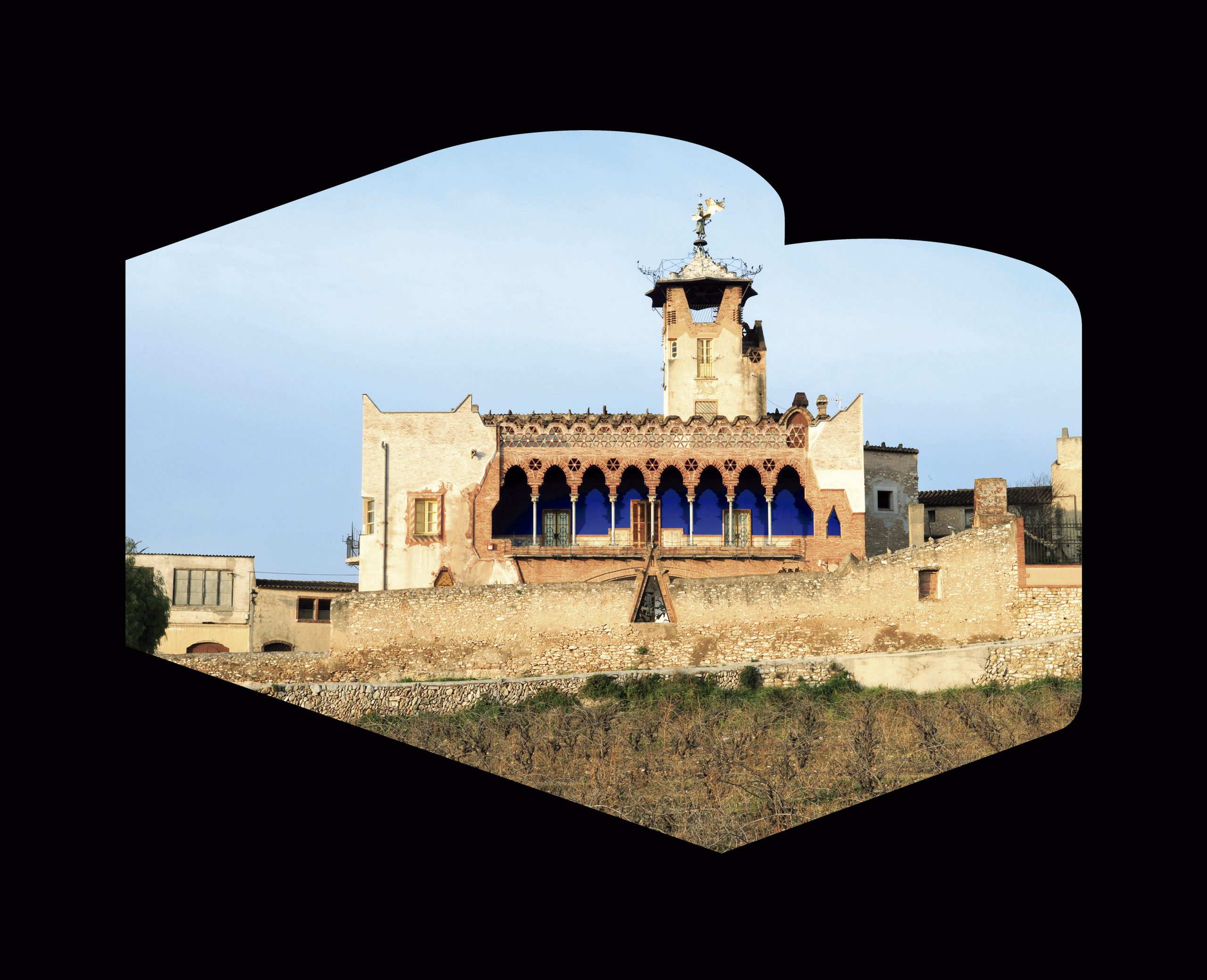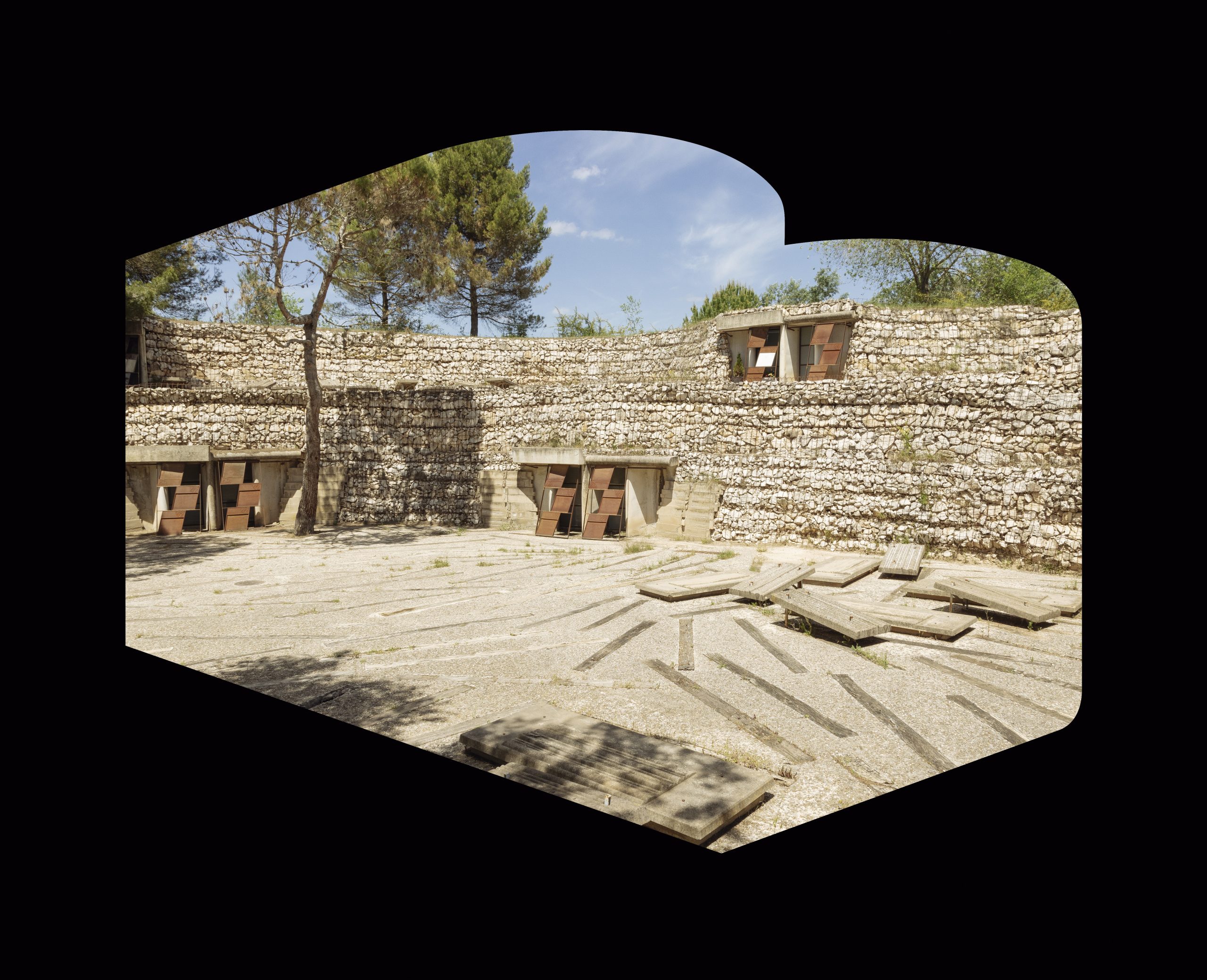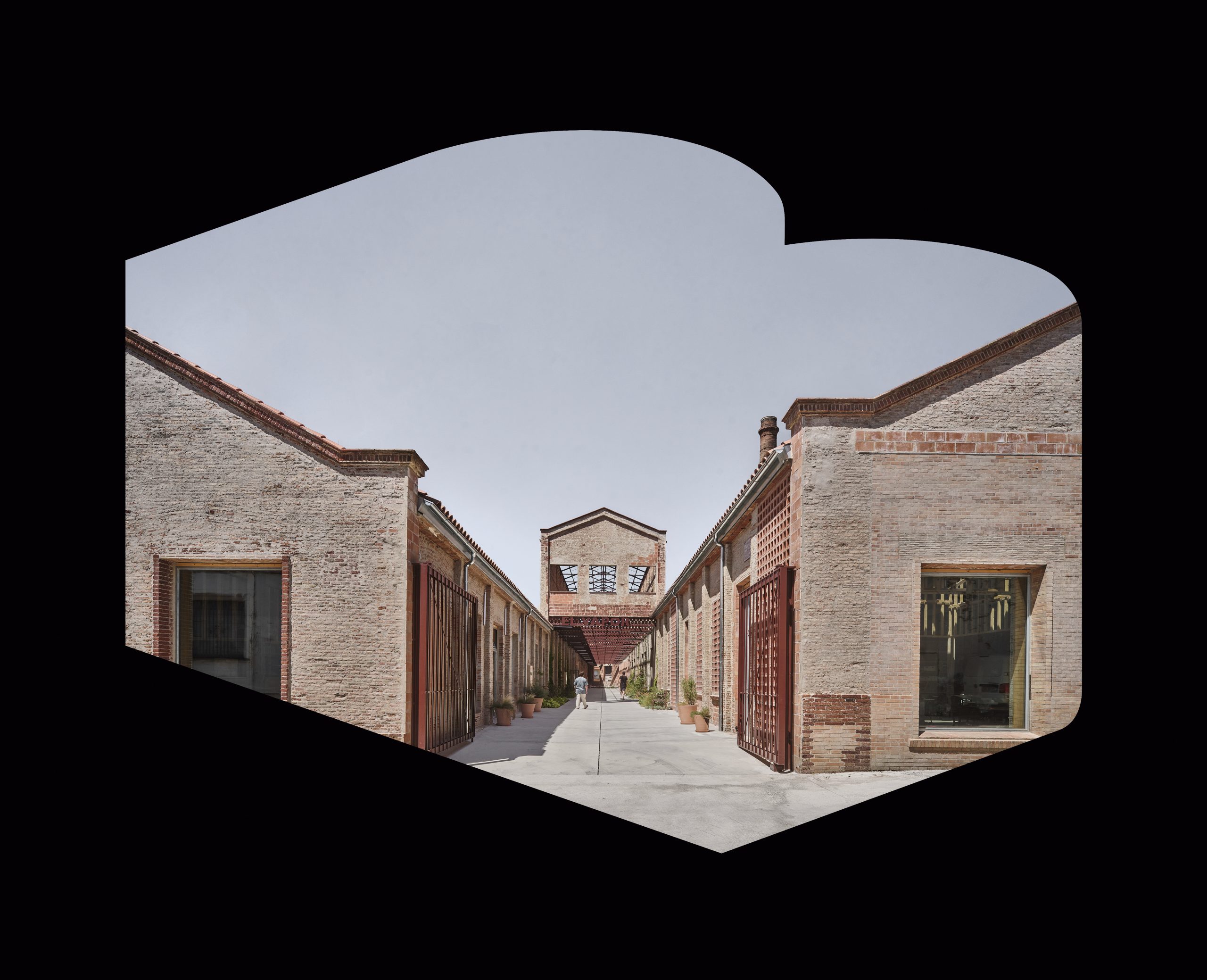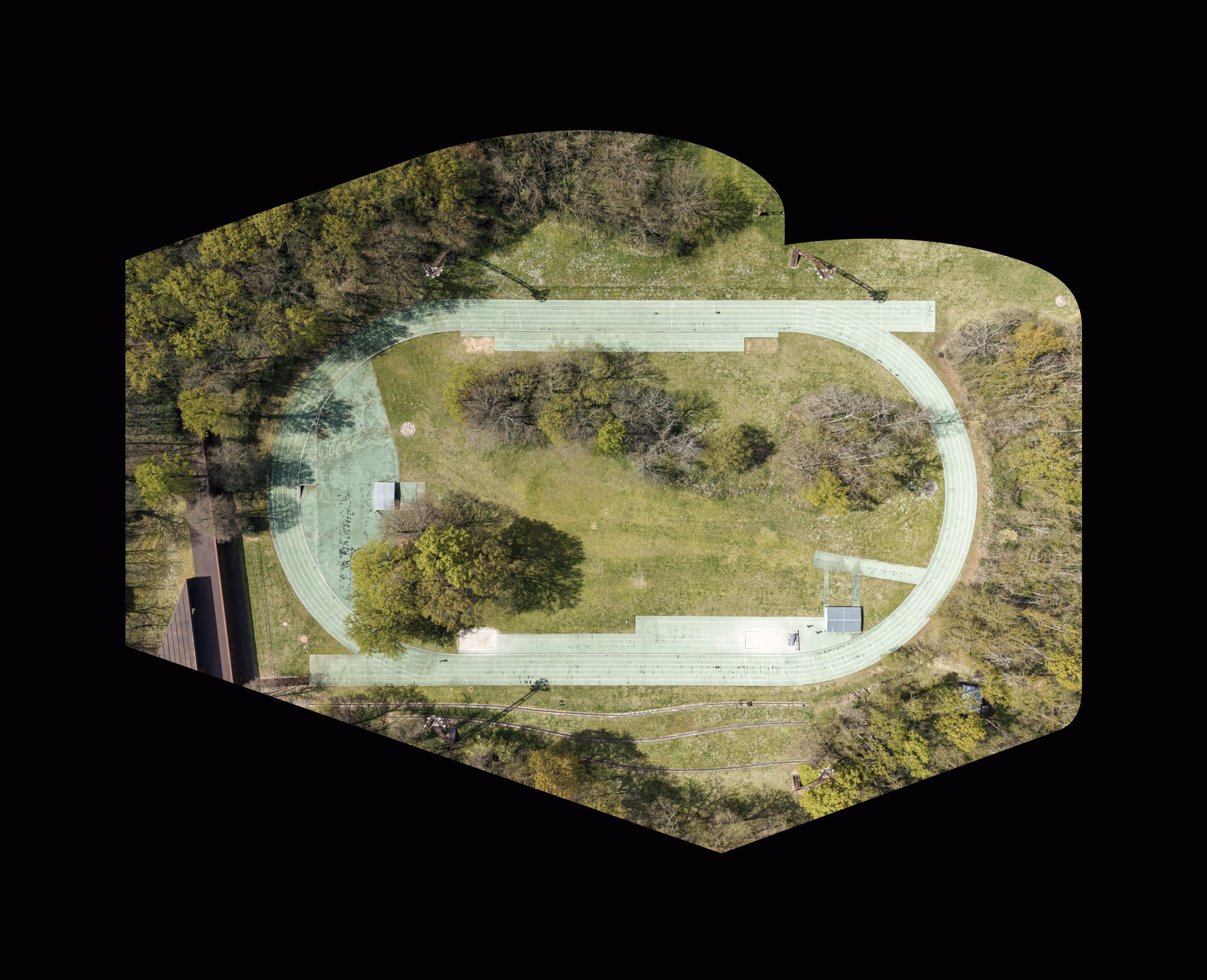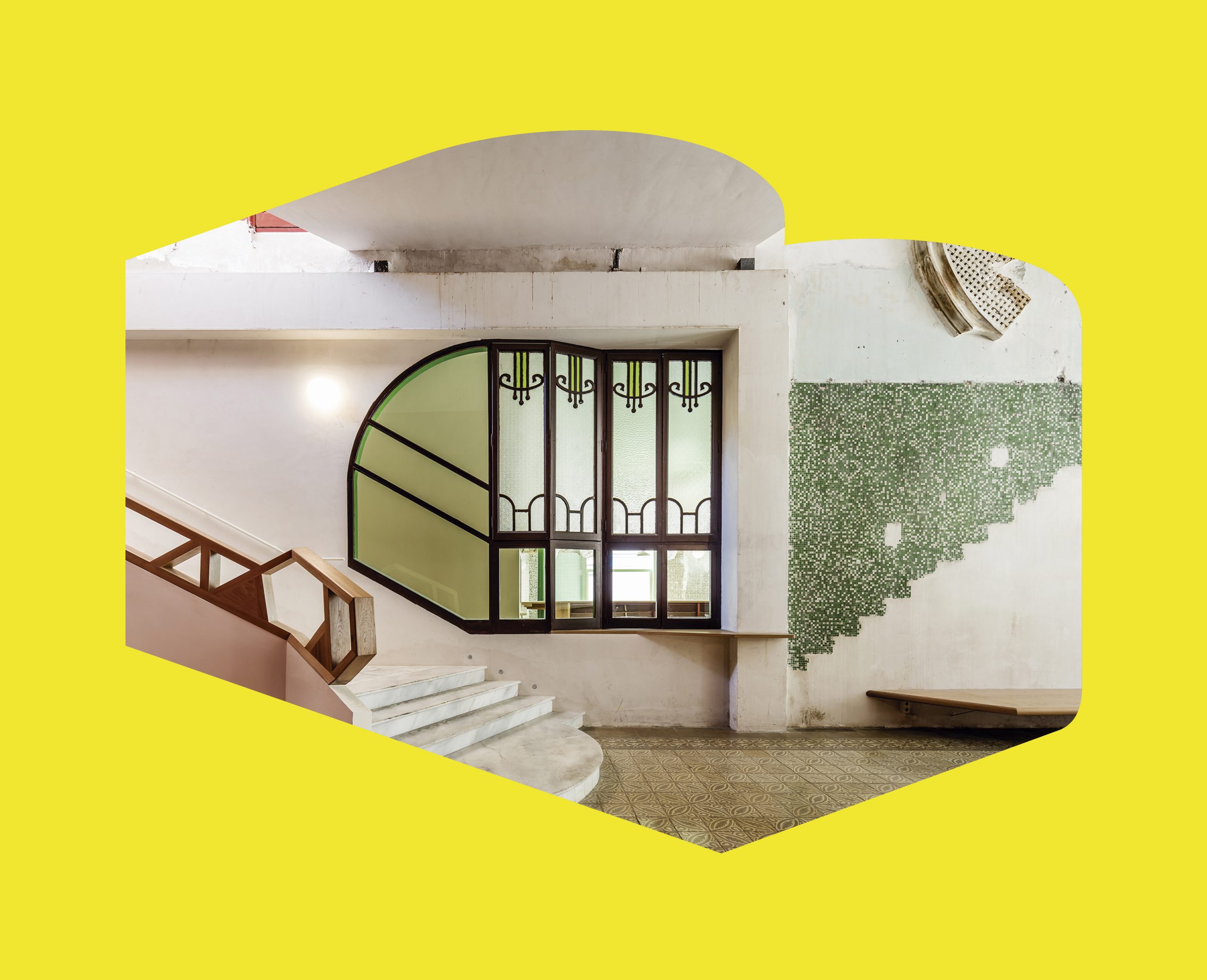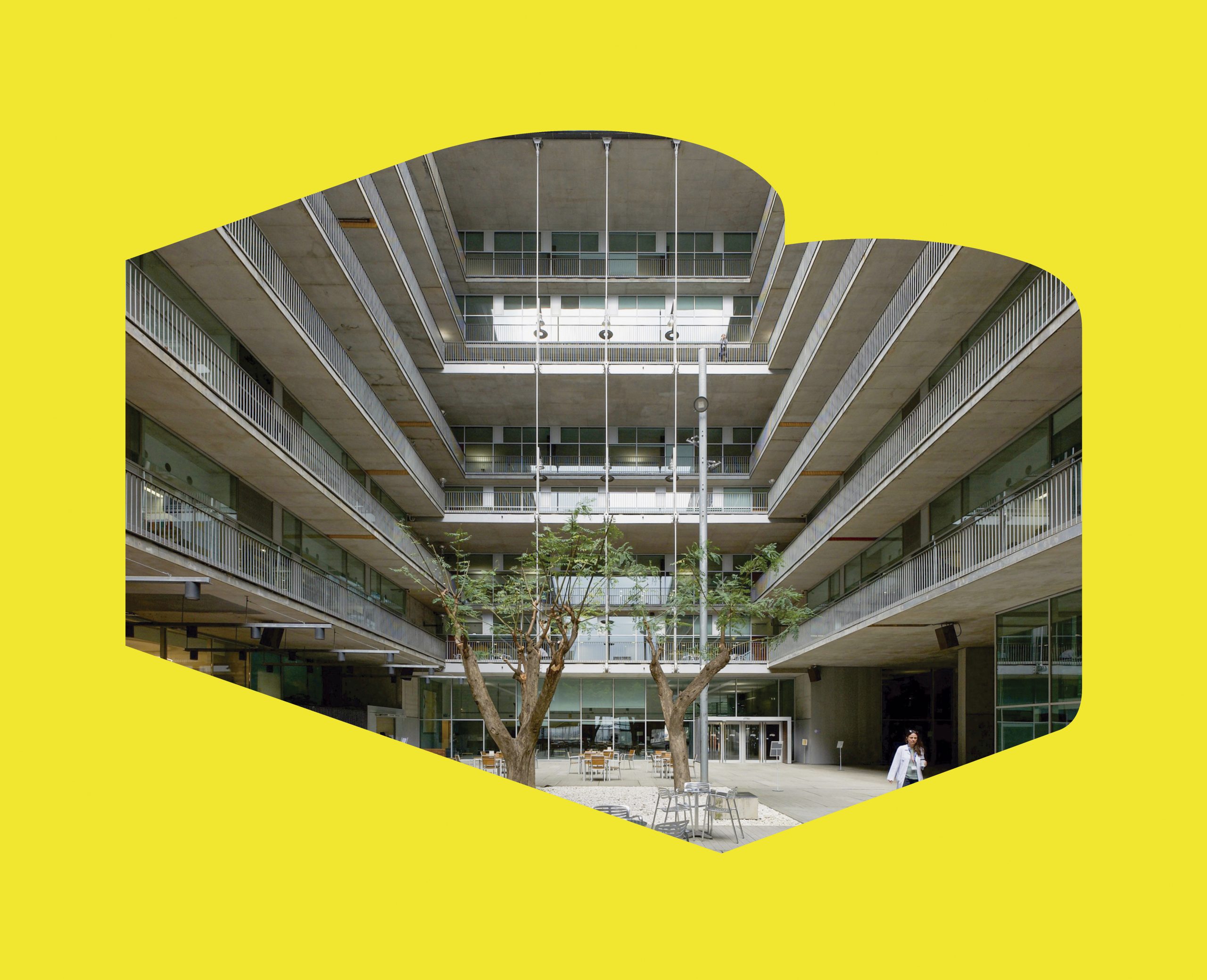
This itinerary focuses on the Girona architect, designer and decorator Rafael Masó i Valentí (1880-1935), who, after studying architecture in Barcelona, set up his own practice in the city, where he also played an important role as a promoter and animator of cultural and civic life. His work spread throughout the region, with important projects such as the Teixidor flour mill, the Batlle, Ensesa and Teixidor houses in Girona, the Masramon House in Olot, the L’Econòmica Palafrugellenca cooperative in Palafrugell and the garden city complex of S’Agaró, among many others. However, in this case we will focus on his works in the capital of Girona.
The study of Masó’s architecture can be divided into three periods:
The first, from 1906 to 1911, in which Rafael Masó attempted to formulate his own language, although he was influenced by other architects. From this period, in Girona, we find the Masó pharmacy, the Batlle house, the Teixidor flour mill, the Ensesa warehouse and the Salieti and Masó houses.
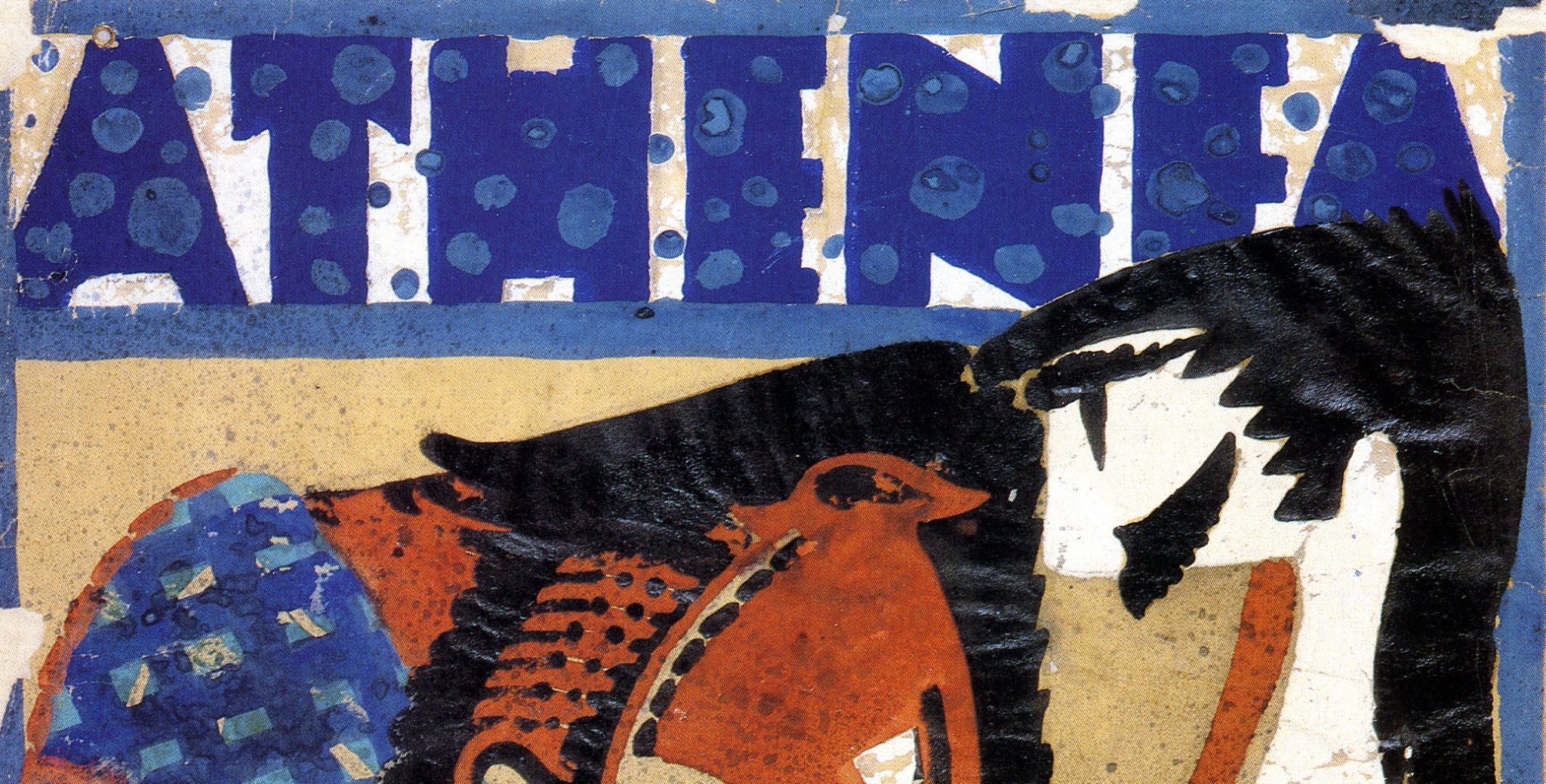
In the second period, which began in 1912 after his honeymoon trip to Italy and Germany and lasted until 1922, he reinforced his initial attitude of defining his own style. This was the period of his fully Noucentista works, which are considered the most interesting of his career. In the city of Girona, these include the Athenea building (demolished), the Ensesa and Teixidor houses, the Callicó garage (demolished) and the Gispert Saüch house.
In the third period, from 1923 to 1935, there was a reinforcement of the idealisation of Catalonia, expressed through traditional elements (sgraffito, columns, terracotta, etc.). Examples in the city of Girona include the Cots and Colomer houses and the Teixidor housing development (demolished).
This route can be completed by visiting the interiors of Masó house, located on Carrer Ballesteries.
 7
7