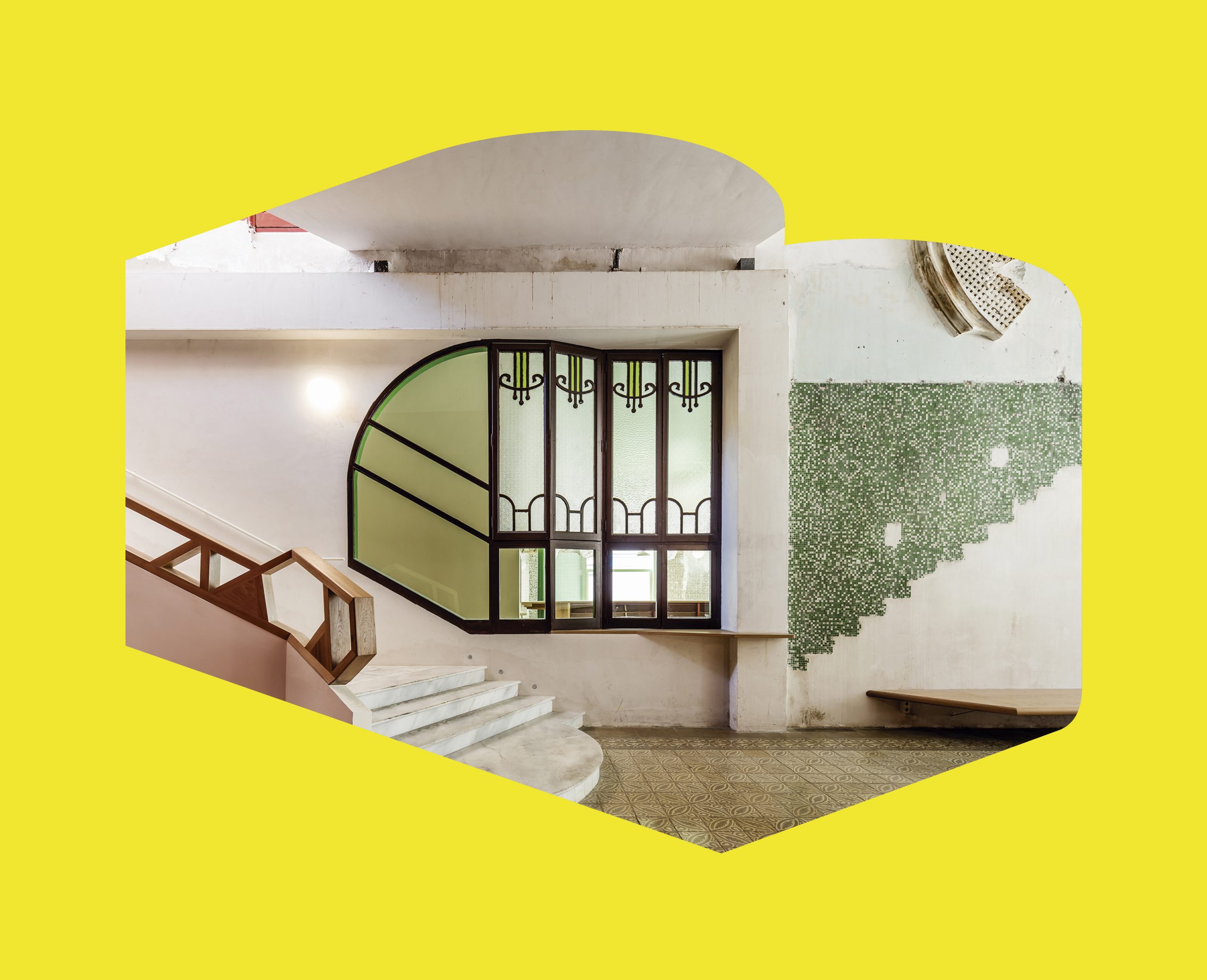
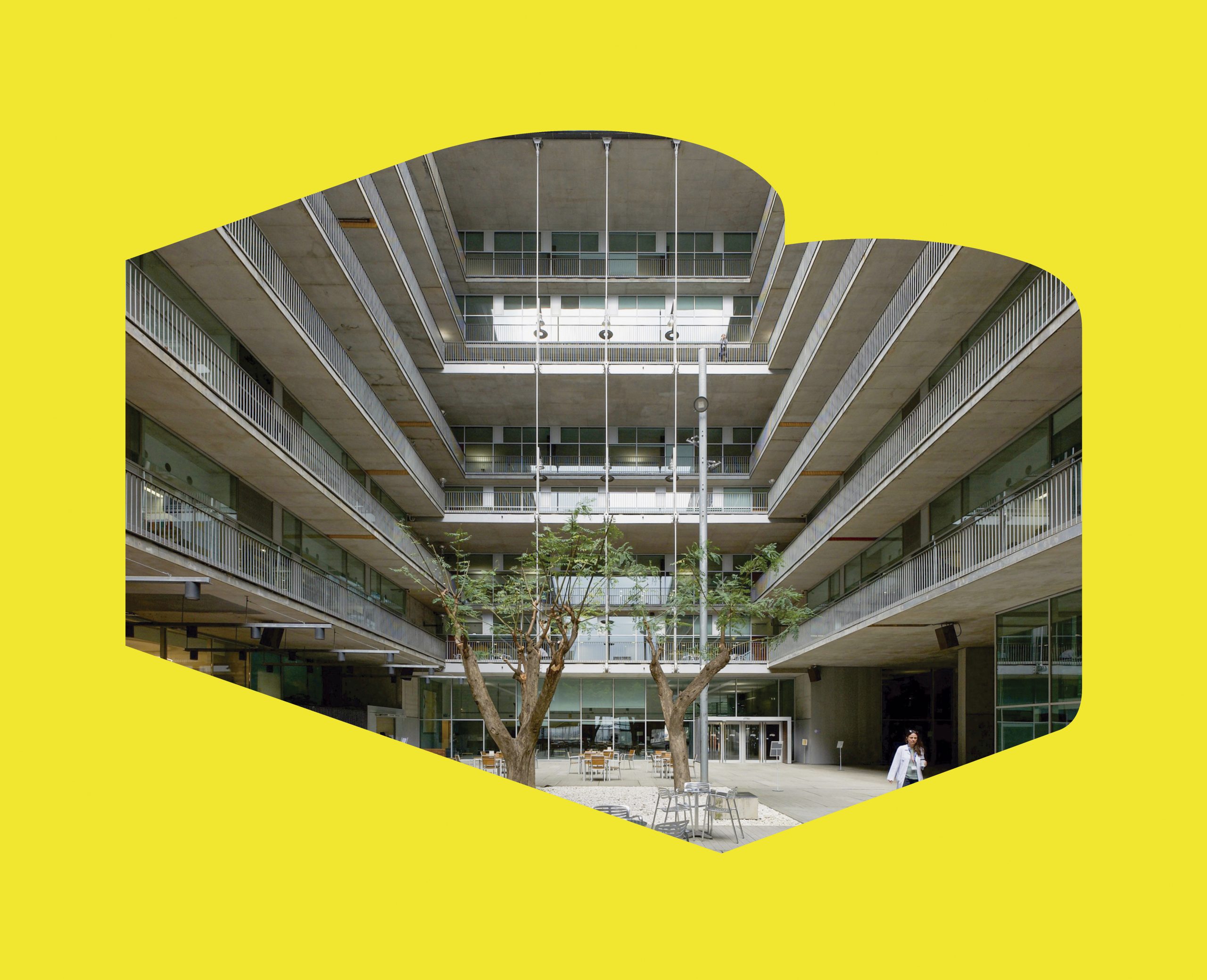
Lluís Domènech i Montaner was not only one of the most eminent architects of Catalan Art nouveau, but also became a decisive cultural and political figure in the late 19th and early 20th centuries. His work is accompanied by all the arts and dialogues with them.
This route highlights the intimate link between Domènech i Montaner’s architecture and key authors in our literature.
We will start at the top of Passeig de Gràcia, at Casa Fuster (1911), where Salvador Espriu, one of the most prominent voices in 20th-century Catalan poetry, lived between 1942 and 1972. A commemorative plaque reminds us of this.
We will walk down to Carrer d’Aragó, to the Fundació Tàpies. Tàpies chose a building by Domènech i Montaner for his foundation with the intention of interacting with it. Behind the visual artist was a lucid writer and profound thinker, author of memorable texts, and one of his sons, Antoni Tàpies i Barba, a poet of considerable importance, has taken up the thread.
We will continue to the Palau de la Música Catalana (1908), one of Domènech i Montaner’s most admired works, associated with the organisation that has its headquarters there, the Orfeó Català, and its anthem, “El cant de la senyera”, a poem by Joan Maragall with music by Lluís Millet.
Next to La Rambla is the Fonda Espanya, renovated by Domènech i Montaner (1903). Josep Rodoreda, composer of the music for Jacint Verdaguer’s Virolai, was born there. A plaque on the façade of the building commemorates this fact.
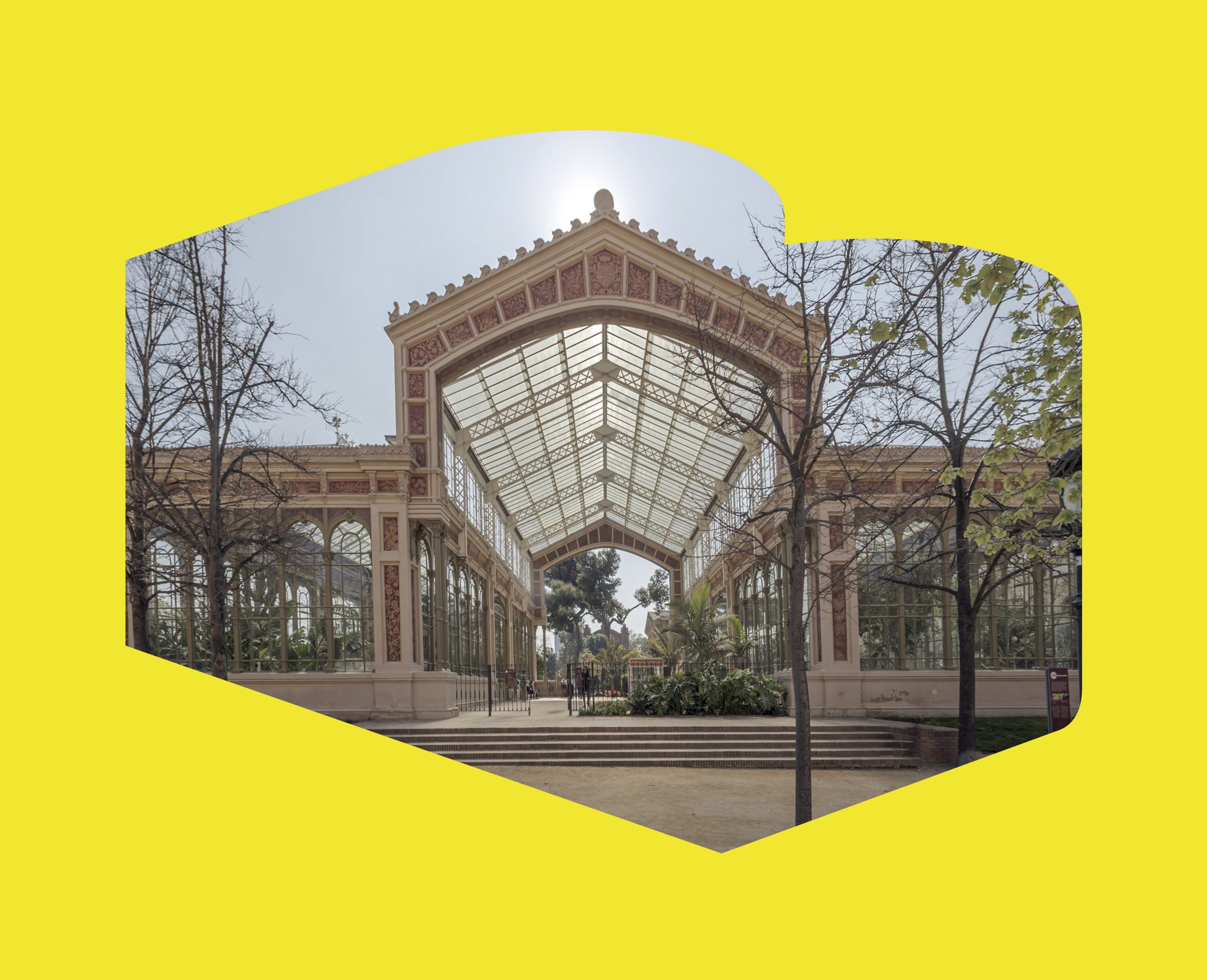
We will then go to Ciutadella Park, to the Castle of the Three Dragons, a café-restaurant from the 1888 Universal Exhibition, popularly named after the play of the same name by Serafín Soler ‘Pitarra’ from 1865. We will end the route at the Catalan Art Nouveau complex of the Hospital de Sant Pau. On 16 February 2023, as part of the Lluís Domènech i Montaner Year, Joan Brossa’s text on the architect was evoked in the monograph of Cuadernos de Arquitectura dedicated to him by the COAC in 1963.
 3
3