Talking about Grup R is always tricky due to its inconsistency as such: founded in 1951 and dissolved by its members a decade later, its output was rather eclectic, with the interests of each member of the association prevailing over any unity of style or code of conduct. Unlike GATCPAC —a group that reflected and sought to continue the thread of modernity and avant-garde that began in the 1930s and was cut short by the Spanish Civil War—individualism prevailed in their approaches. Ultimately, what unites them is nothing more than their rejection of the academic civil architecture of the early Francoist regime and their desire to open up to new trends from other Western countries.
Josep Maria Sostres is credited with naming the group. According to Antoni de Moragas, a founding member, ‘one day he said that the letter R was very appropriate, as it was the first letter of renewal, revolution, restoration, etc., and we adopted the name Grup R.’ To fully understand the context of Sostres’ statement, it is helpful to mention three contemporary buildings from the association’s founding period because, as mentioned above, they are united more by what they want to differentiate themselves from than by their specific objective: the Banco Español de Crédito by Eusebio Boni (1950), the social building of the Instituto Nacional de Previsión by Lluís Bonet (1954) and the many dwellings designed by Francesc Mitjans during the 1950s, with their thoroughly academic façades contrasting with unmistakably modern interiors, are good examples for contrasting these contemporary architectures.
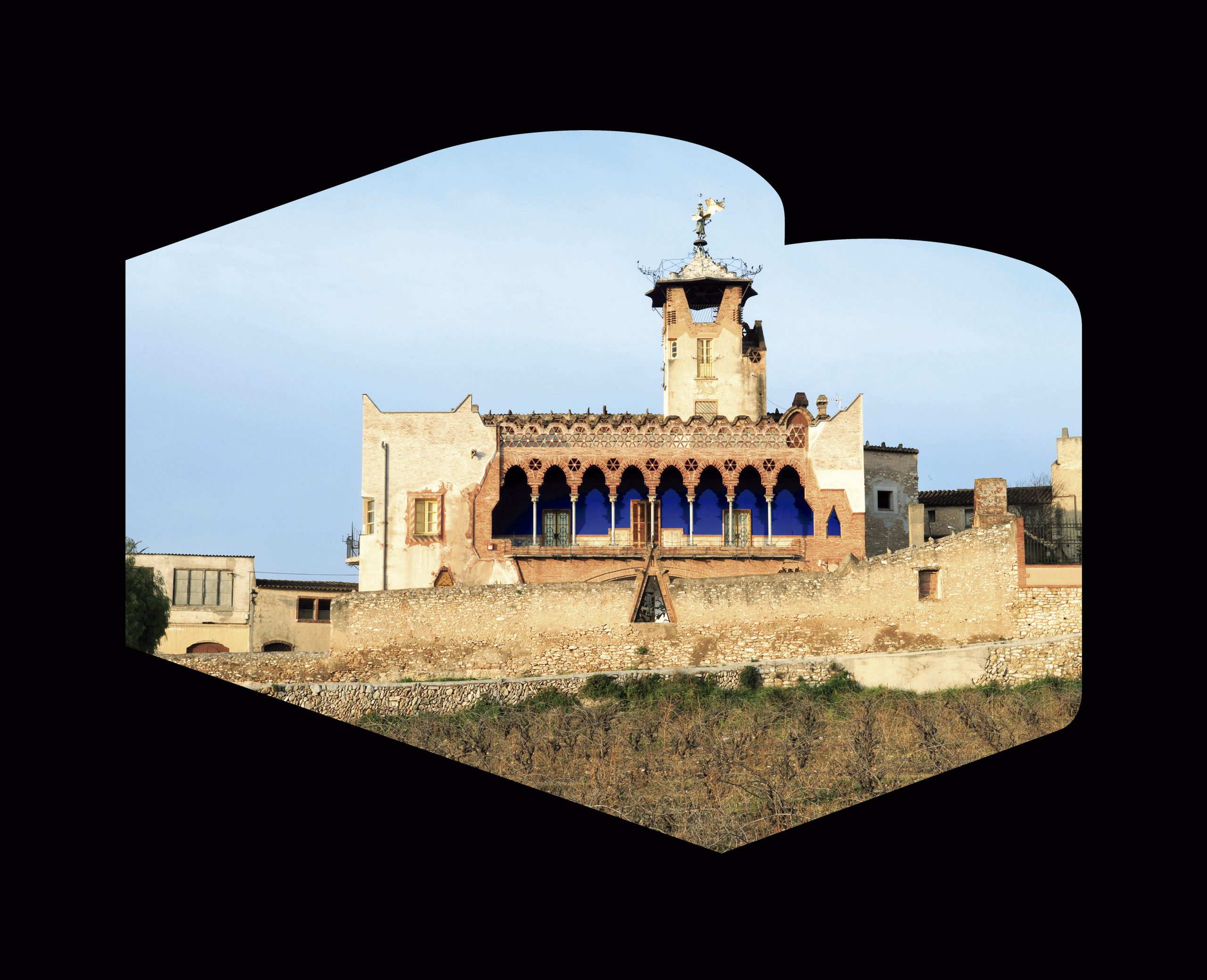
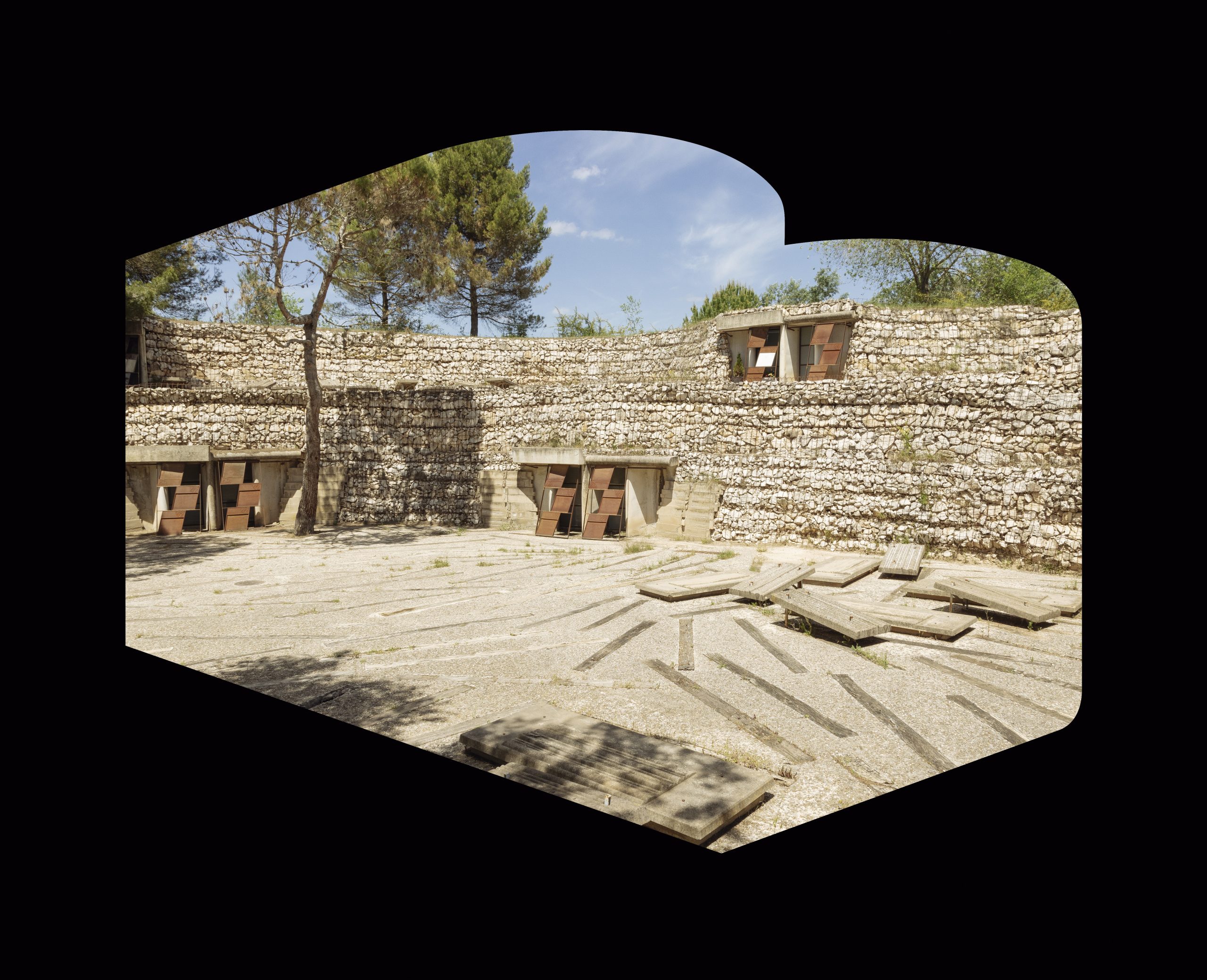
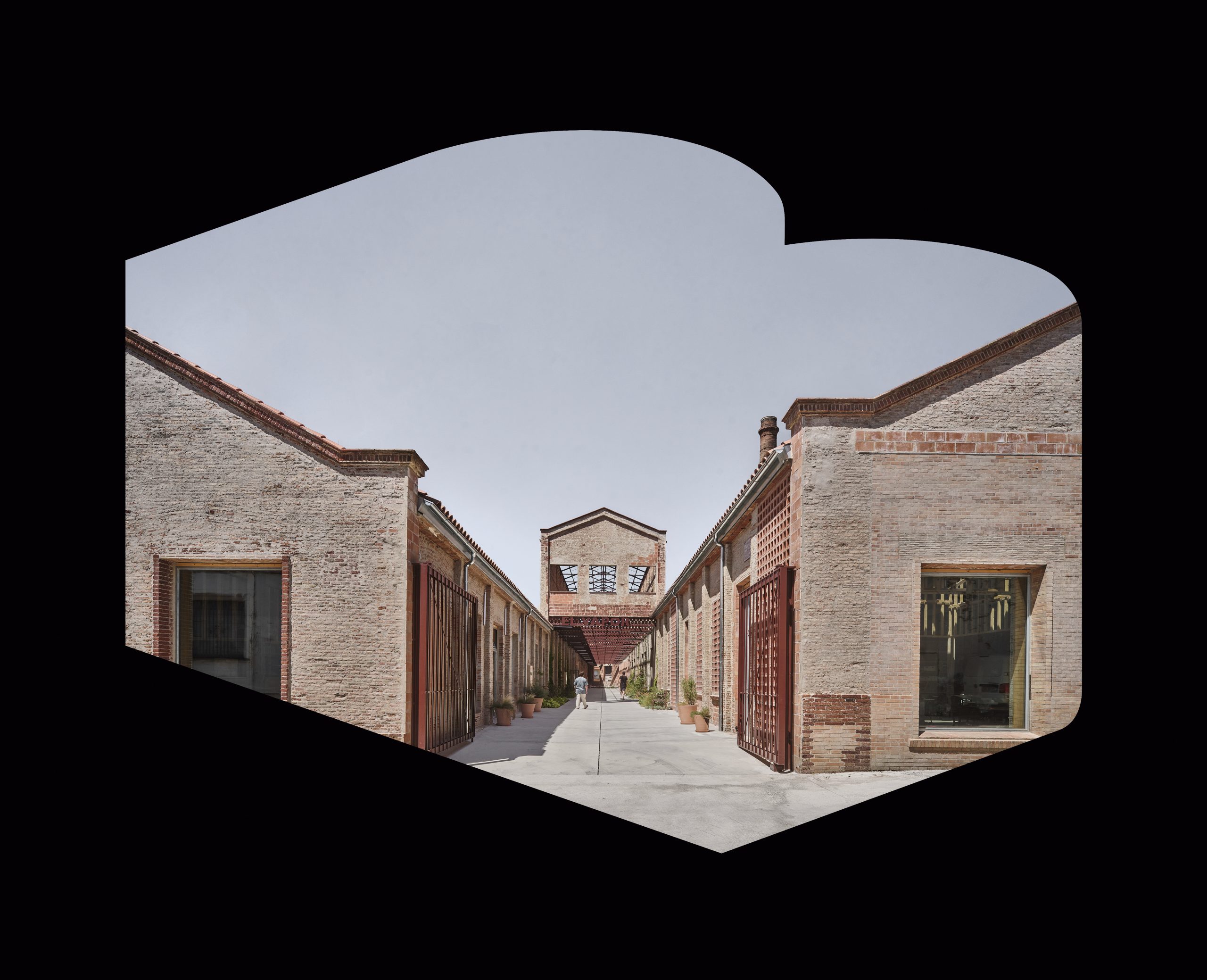
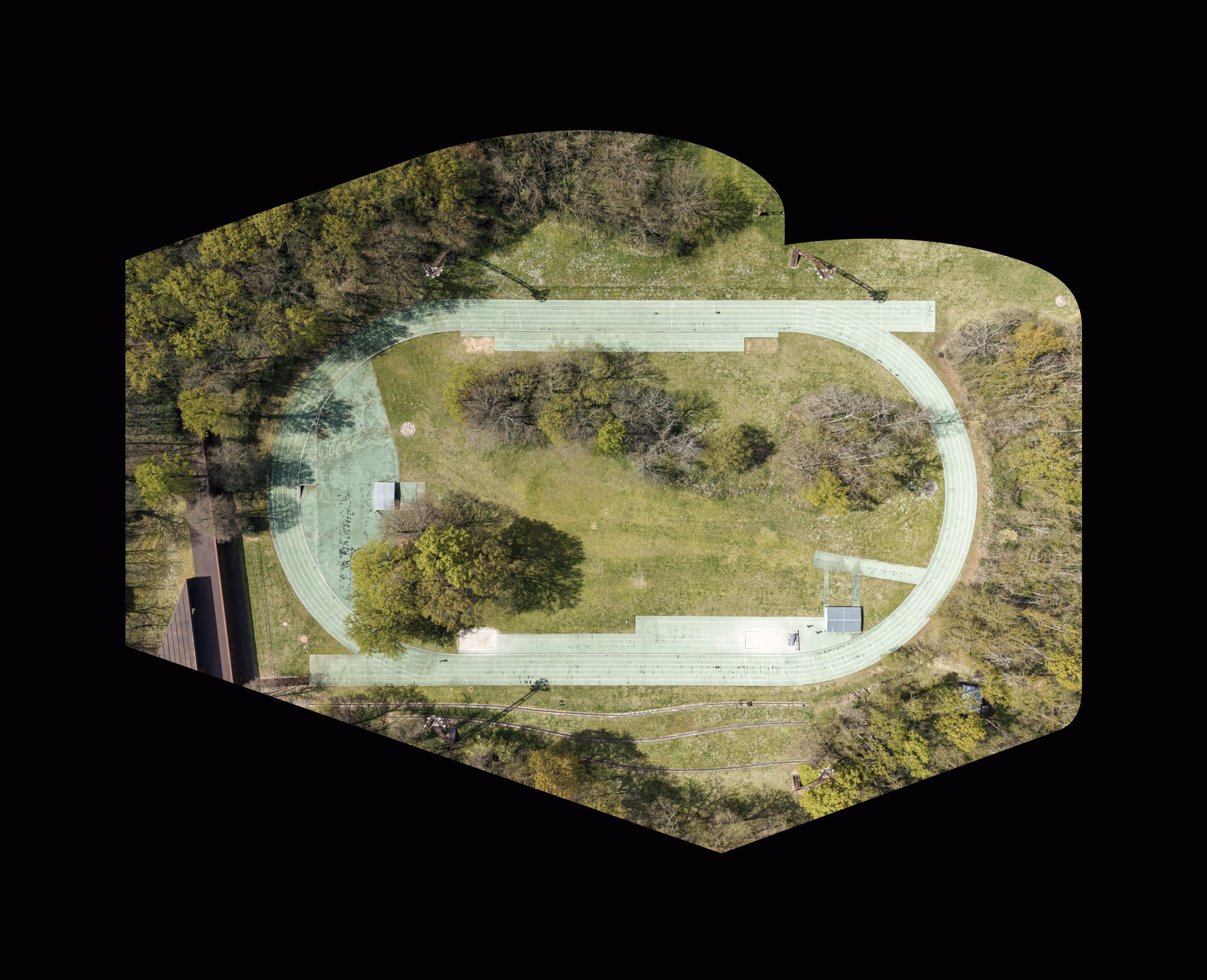
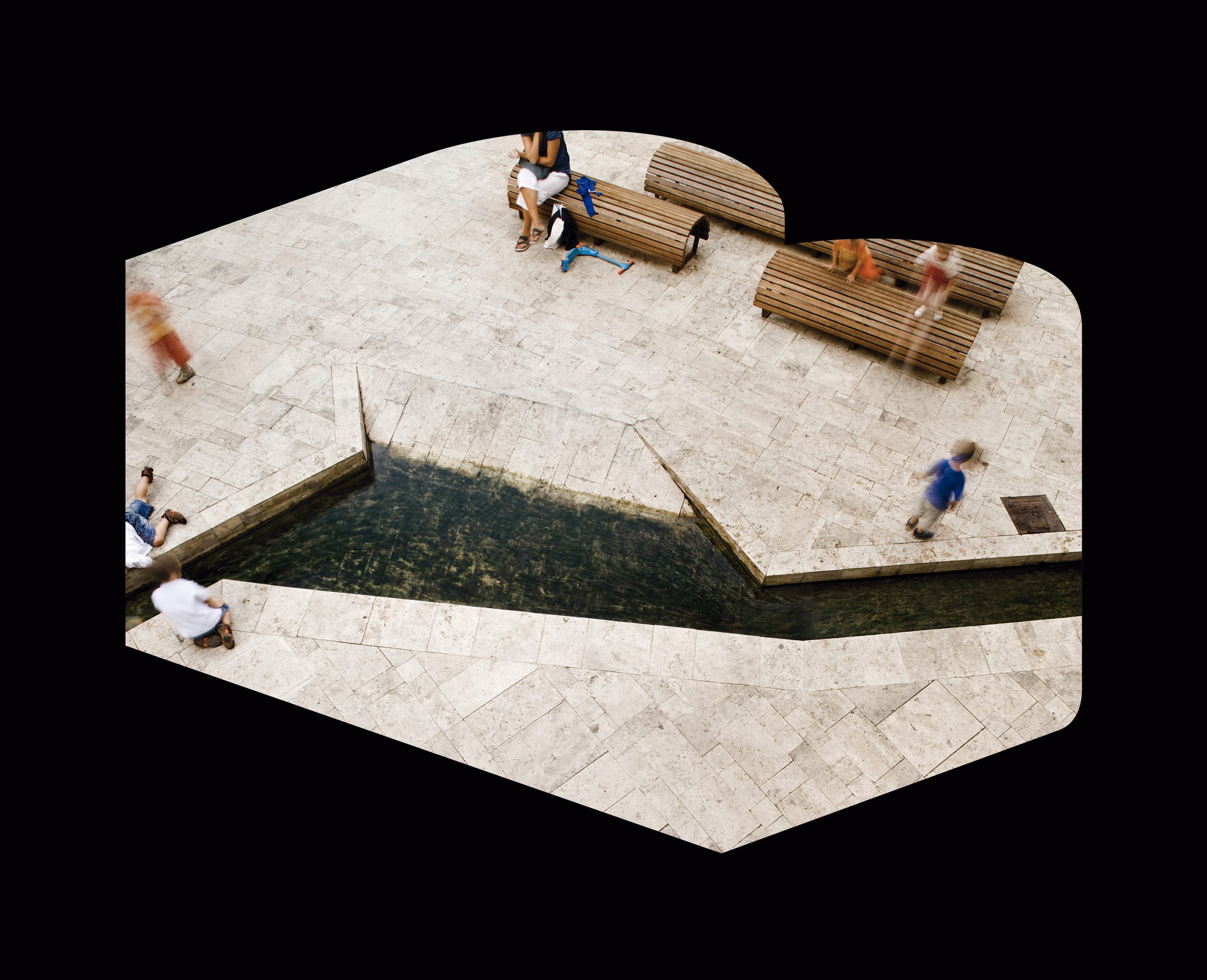
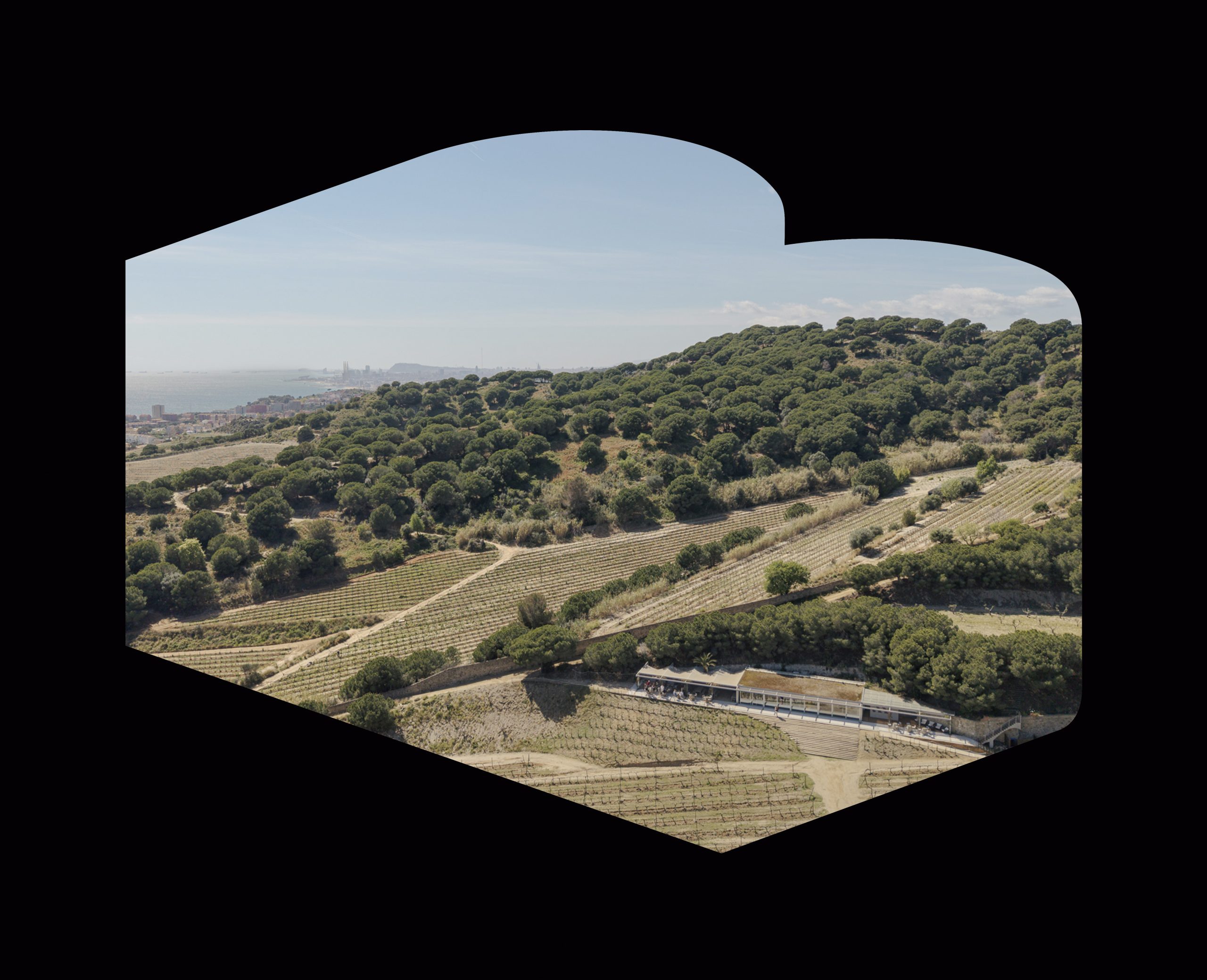
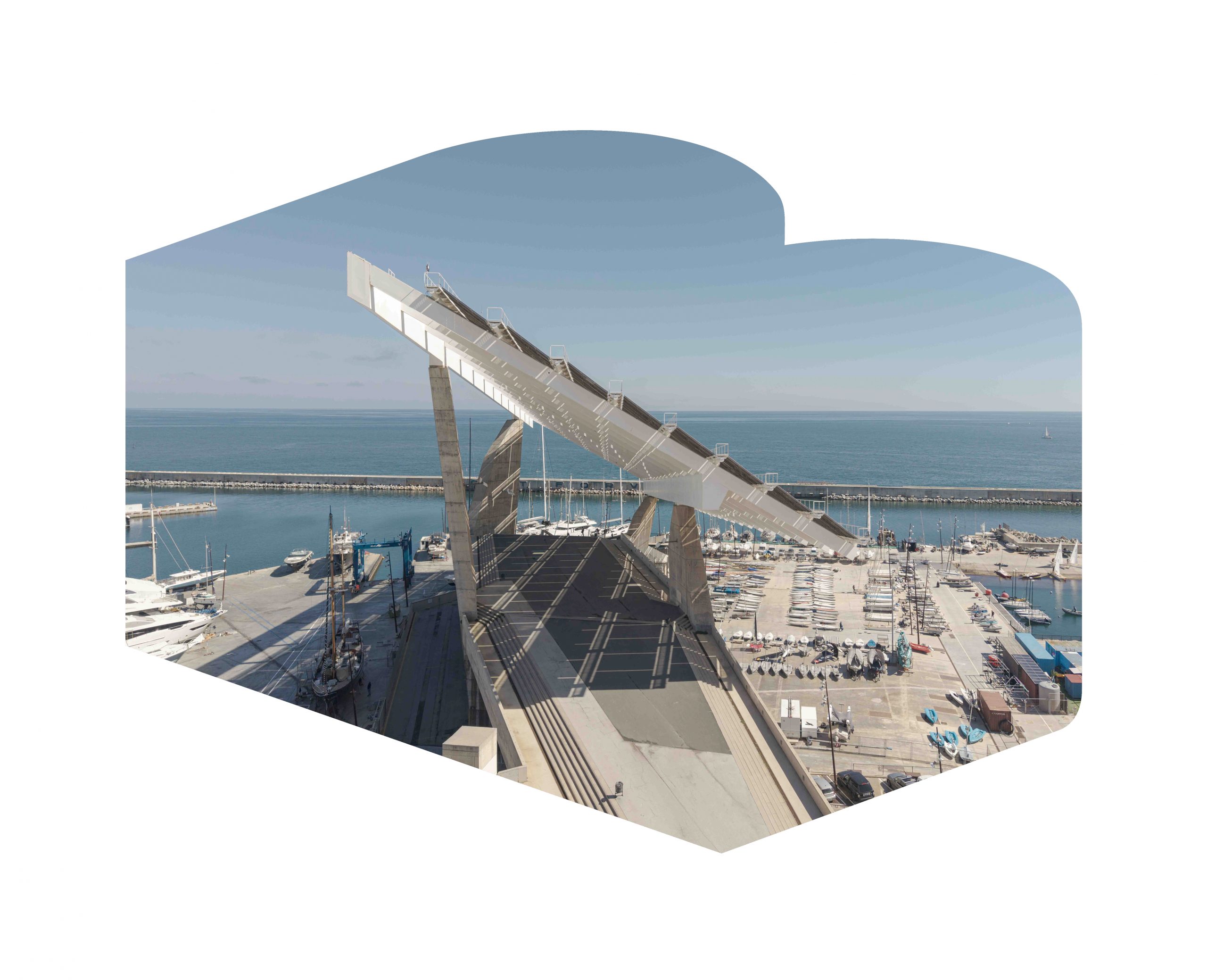
This selection of works thus presents a stylistic collage that would serve as a potential seed for later schools or approaches in Catalonia, catering to diverse sensibilities. Three objective factors were taken into account when choosing the works: that they were still standing, that the architects had been members of Grup R, and that they had been designed during the association’s period of activity.
 4
4
 1
1