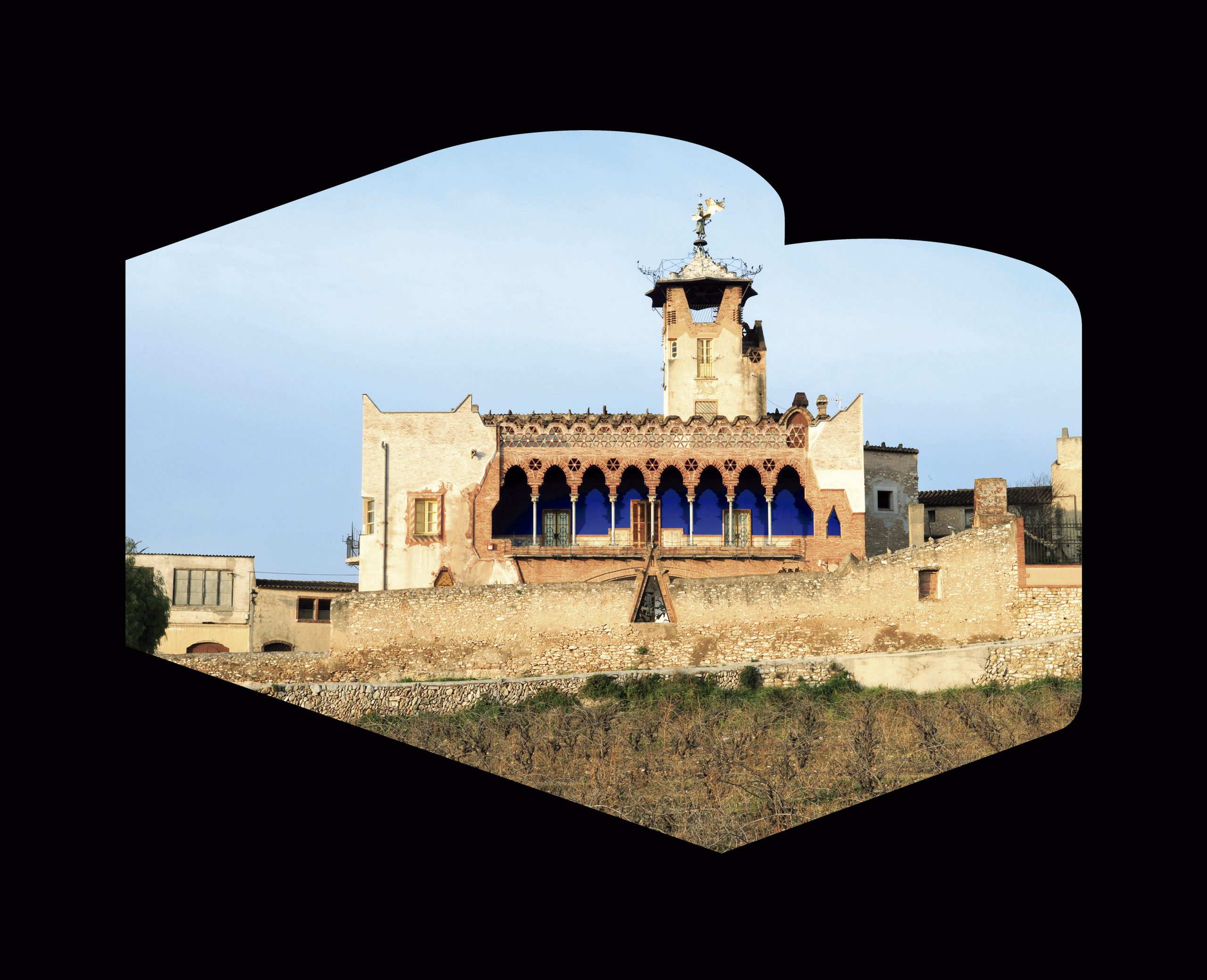
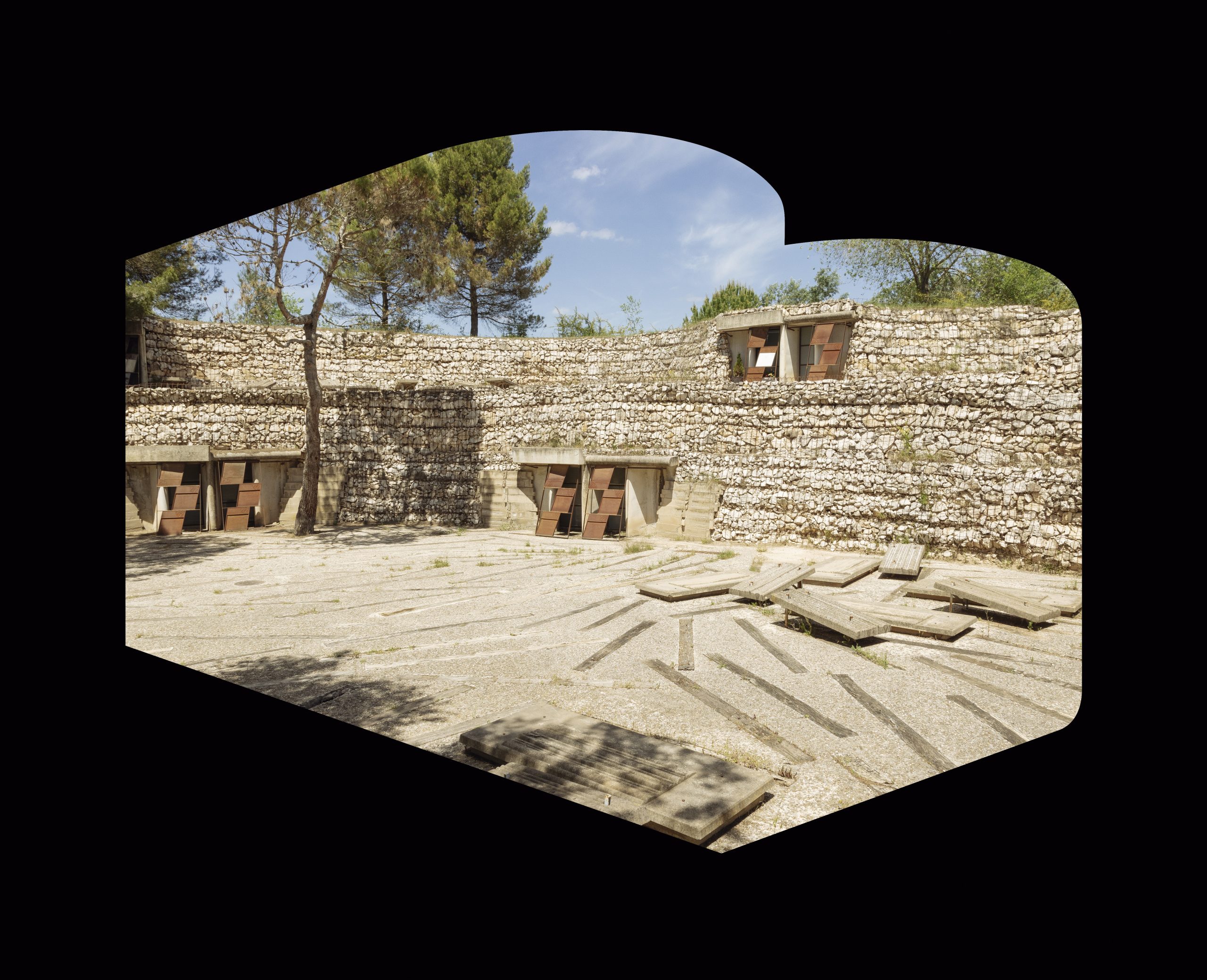
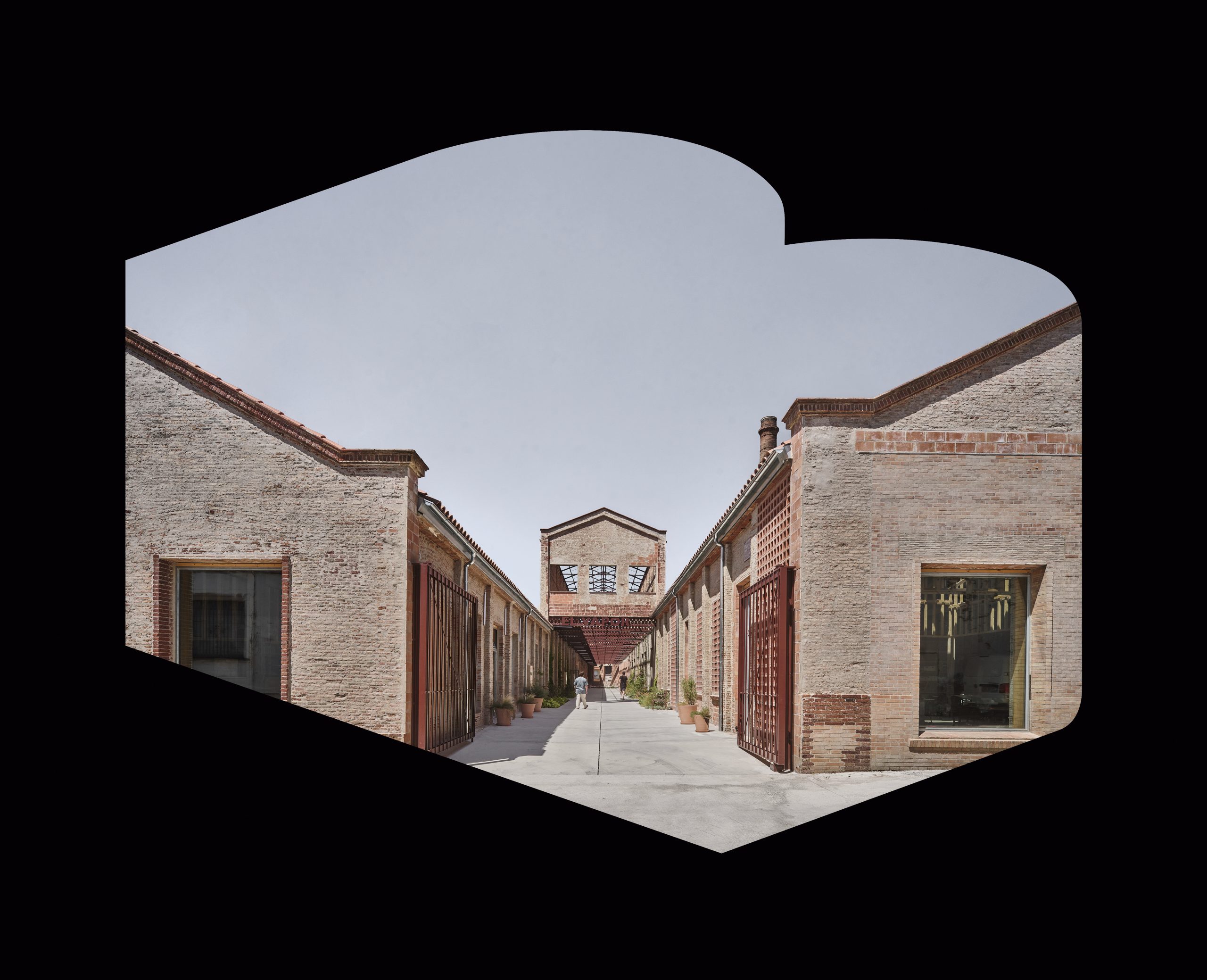
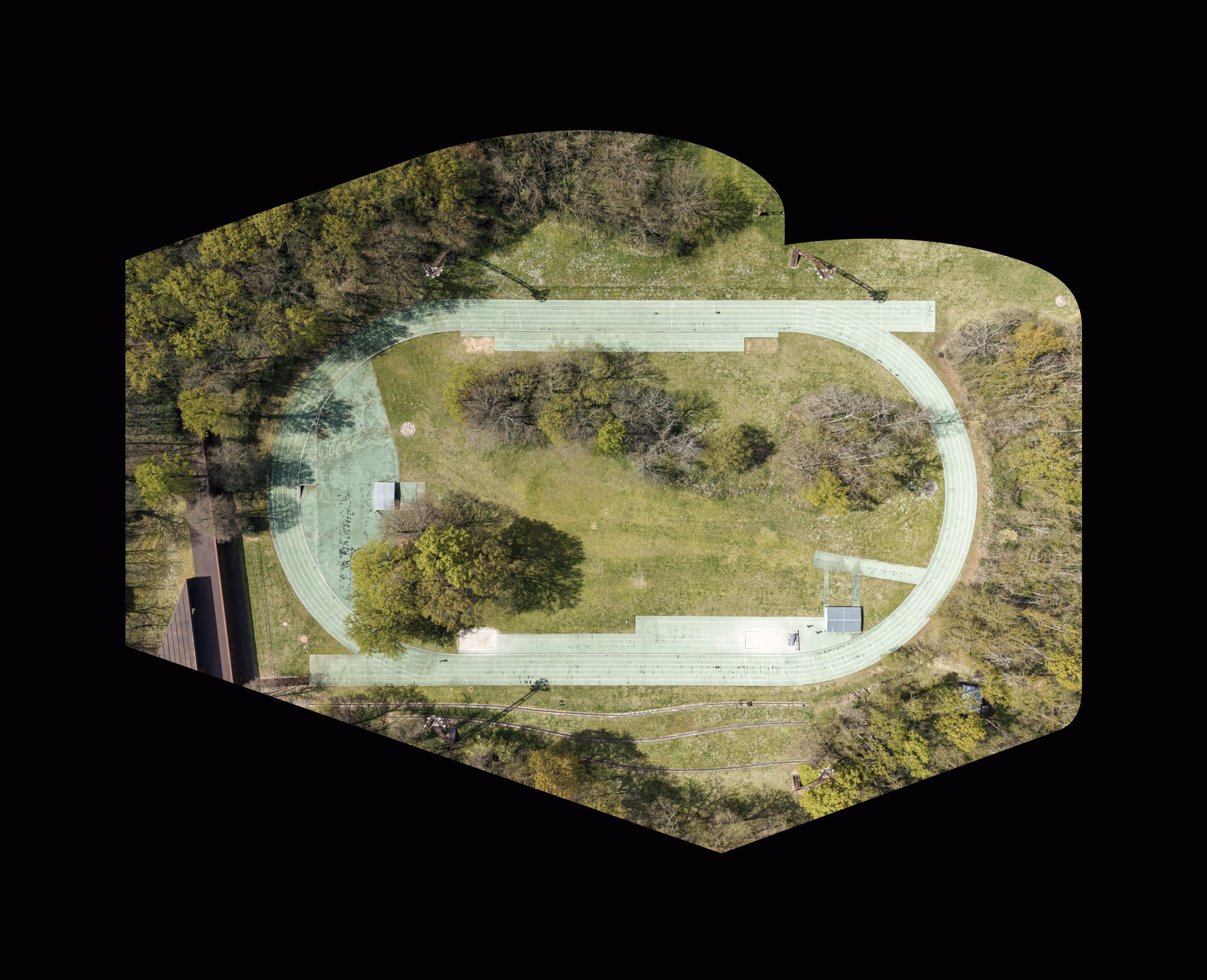
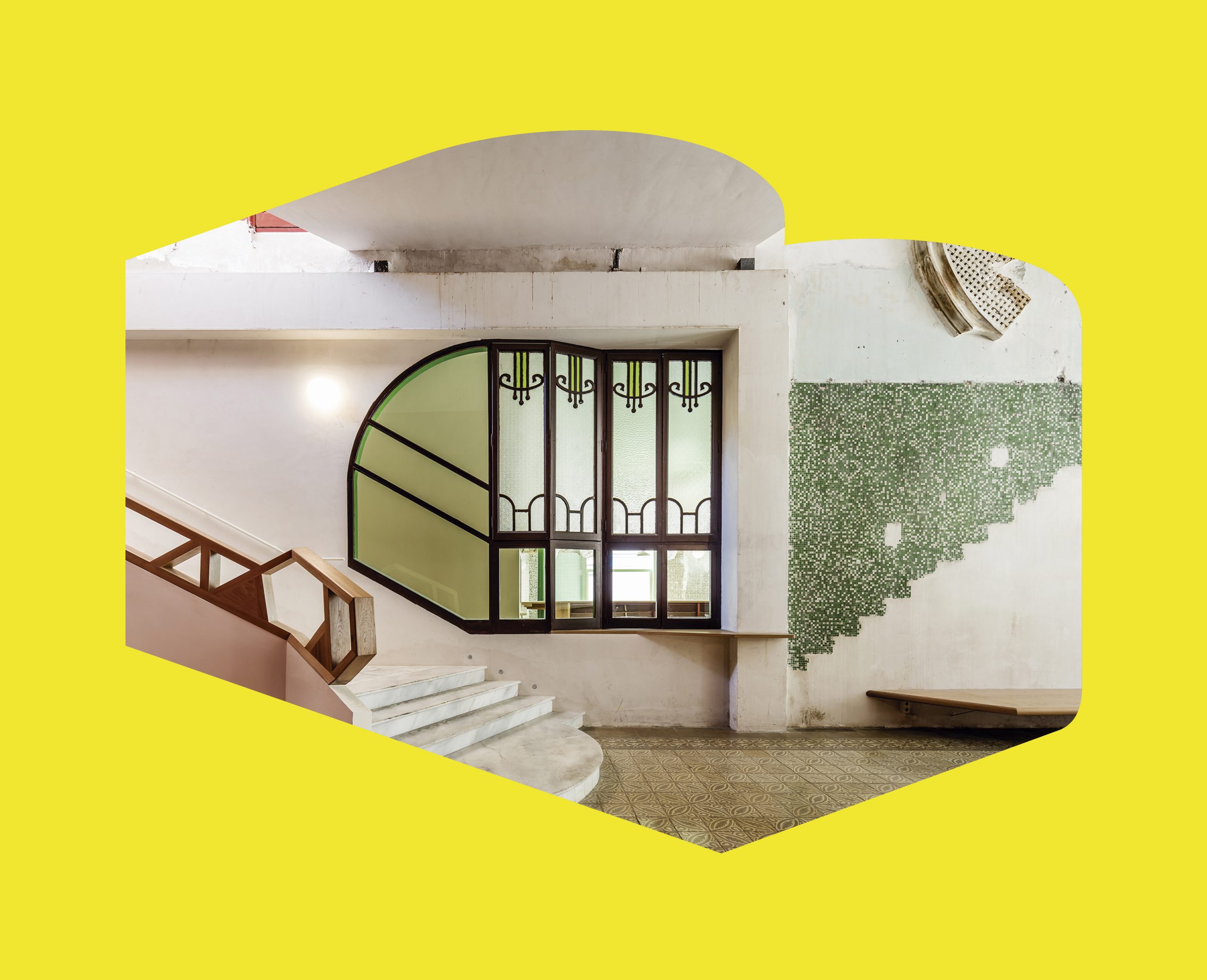
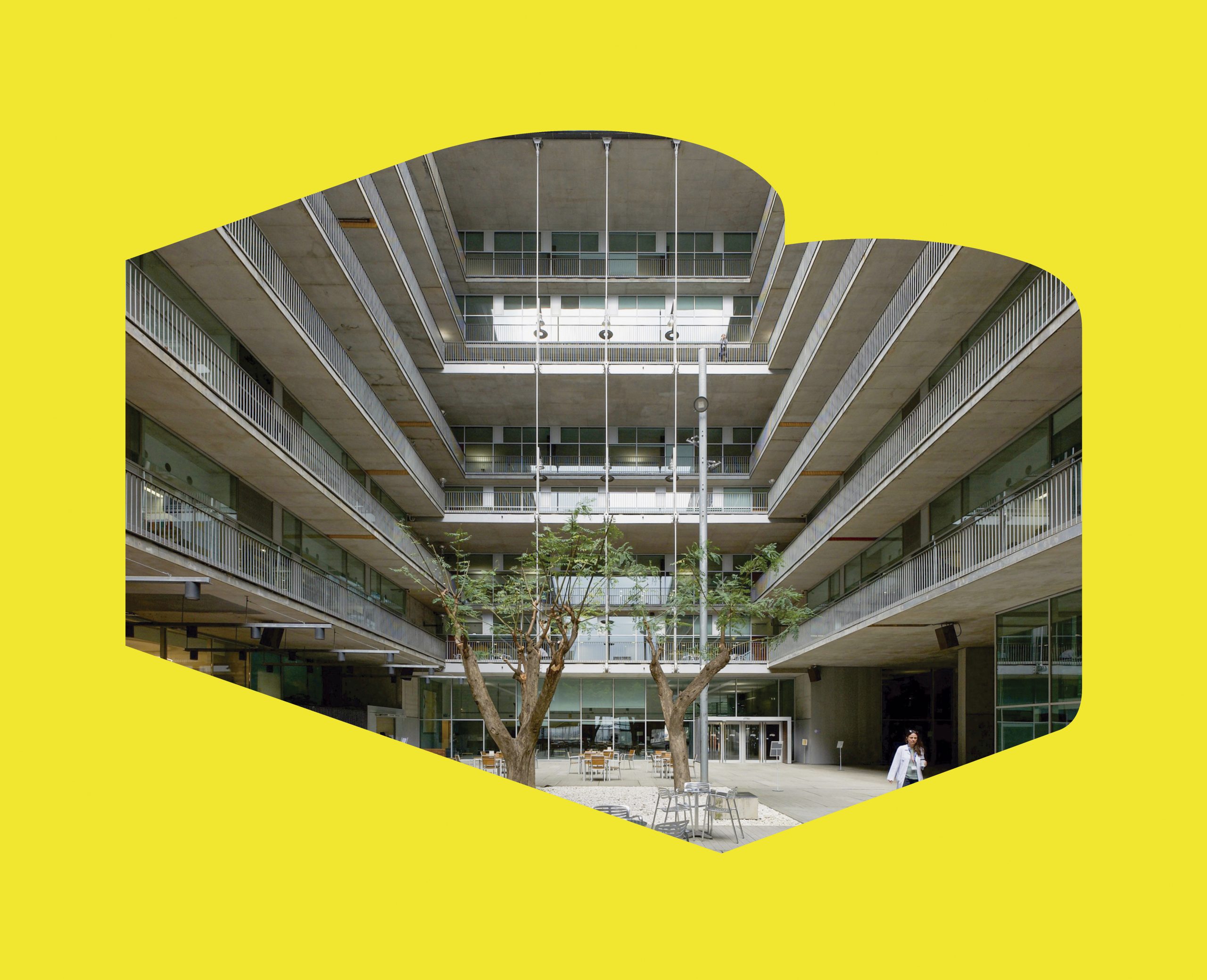
Lleida, a land of agriculture and farming communities, has always been keenly aware that the produce of its fields is its greatest treasure, and this is reflected in the works that make up this route, which stand as enduring testaments to a deep affection for the land and its fruits.
From the cleanest structures that enclose large spaces, the most austere products and processes have been enshrined in temples of abundance, elevated in status through the architecture of the agri-food industry to confer upon them a higher standing.
Over the centuries, the desire to bring air, light and grandeur to spaces has gone hand in hand with the technological evolution of structural engineering and its possibilities. Throughout this journey through history, this evolution in construction is evident, and it has also taken place outside the realm of major projects linked to power.
Starting with buildings dating from before the 20th century that have now been restored such as the Pla Market and La Panera we discover imposing functional structures, whose scale is more akin to cathedrals of water and food. Francesc de Paula Morera i Gatell designed several of the projects that feature along the route, showcasing the influence of Modernism on the development of food supply and industrialisation at the turn of the century, with buildings such as the Municipal Slaughterhouse and the former Llusà / La Meta Flour Mill, which has now relocated its operations to the new, larger La Meta Flour Mill.
The Lleida Fruit and Vegetable Market, designed by Ramon Maria Puig —now converted into a municipal office building— is the next stop on the tour, which concludes with Josep Maria Cots Massana’s work at the Palau de Vidre, a symbol of the province’s fruit export industry during the late Franco era.
Today, most of the buildings included on this route have been restored and are used for cultural purposes, or are in the process of being repurposed for such uses, shifting towards programmes very different from those for which they were originally intended.
Recognising today these works from the past—whose current uses are now considered most worthy of such architecture—should not be the only lesson we can draw from the proposed route; they also enable us to understand that architectural dignity has not always been linked to representative functions or to the upper echelons of society, and that, above all, it has the capacity to dignify what it houses, even if the programme is seemingly the most humble.
 1
1