Intro

About

In this first stage, the catalogue focuses on the modern and contemporary architecture designed and built between 1832 –year of construction of the first industrial chimney in Barcelona that we establish as the beginning of modernity– until today.

The project is born to make the architecture more accessible both to professionals and to the citizens through a website that is going to be updated and extended. Contemporary works of greater general interest will be incorporated, always with a necessary historical perspective, while gradually adding works from our past, with the ambitious objective of understanding a greater documented period.

The collection feeds from multiple sources, mainly from the generosity of architectural and photographic studios, as well as the large amount of excellent historical and reference editorial projects, such as architectural guides, magazines, monographs and other publications. It also takes into consideration all the reference sources from the various branches and associated entities with the COAC and other collaborating entities related to the architectural and design fields, in its maximum spectrum.

Special mention should be made of the incorporation of vast documentation from the COAC Historical Archive which, thanks to its documental richness, provides a large amount of valuable –and in some cases unpublished– graphic documentation.

The rigour and criteria for selection of the works has been stablished by a Documental Commission, formed by the COAC’s Culture Spokesperson, the director of the COAC Historical Archive, the directors of the COAC Digital Archive, and professionals and other external experts from all the territorial sections that look after to offer a transversal view of the current and past architectural landscape around the territory.

The determination of this project is to become the largest digital collection about Catalan architecture; a key tool of exemplar information and documentation about architecture, which turns into a local and international referent, for the way to explain and show the architectural heritage of a territory.

Aureli Mora i Omar Ornaque
Directors arquitecturacatalana.cat

credits

About us

Project by:

Created by:

Directors:

2019-2026 Aureli Mora i Omar Ornaque

Documental Commission:

2019-2026 Ramon Faura Carolina B. Garcia Eduard Callís Francesc Rafat Pau Albert Antoni López Daufí Joan Falgueras Mercè Bosch Jaume Farreny Anton Pàmies Juan Manuel Zaguirre Josep Ferrando Gemma Ferré Inés de Rivera Fernando Marzá Moisés Puente Aureli Mora Omar Ornaque

Collaborators:

2019-2026 Lluis Andreu Sergi Ballester Marianela Pla Maria Jesús Quintero Lucía M. Villodres Montse Viu

External Collaborators:

2019-2026 Helena Cepeda Inès Martinel

With the support of:

Generalitat de Catalunya. Departament de Cultura

Collaborating Entities:

ArquinFAD


Fundació Mies van der Rohe


Fundación DOCOMOMO Ibérico


Basílica de la Sagrada Família


Museu del Disseny de Barcelona


Fomento


AMB


EINA Centre Universitari de Disseny i Art de Barcelona


IEFC


Fundació Domènench Montaner.


ETSAB

Design & Development:

edittio Nubilum

From Bofill to Corberó: industry and modernism

  • 1 dia 
per Mariana de Delás

During the 19th and early 20th centuries, Esplugues de Llobregat and Sant Just Desvern went from being small agricultural towns to becoming important industrial enclaves. Thanks to their proximity to Barcelona and easy access to natural resources and trade routes, factories began to proliferate. Their presence attracted a growing working-class population and fostered the rise of a bourgeoisie that began to build large residences, which would become the symbol of Catalan society’s desire for modernisation.

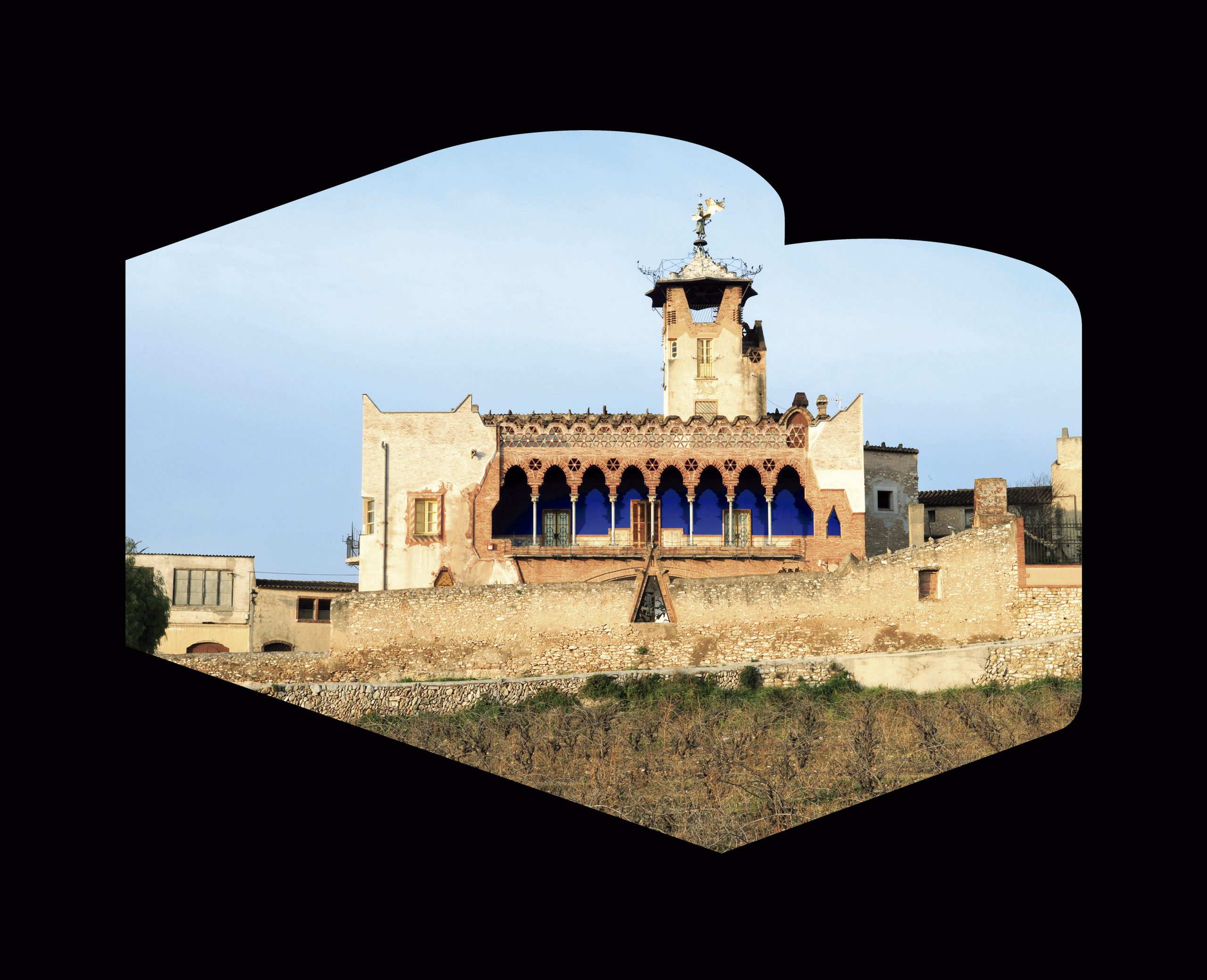
In this melting pot of urban landscapes, we can identify a symbiotic relationship between industry and modernism, which feed off each other, both economically and aesthetically. The Pujol i Bausis ceramics factory produced most of the ceramics that would later be used by Gaudí, Puig i Cadafalch and Marcel·lí Coquillat i Llofriu in many nearby residences such as Torre Canigó and Casa Pere Pruna. Furthermore, these same bourgeois families, enriched by the new industry and driven by a spirit of progress, did not hesitate to invest in the modernisation of their old agricultural properties, transforming their farmhouses and towers and committing themselves to cultural and aesthetic advancement, as was the case at Can Ginestar.

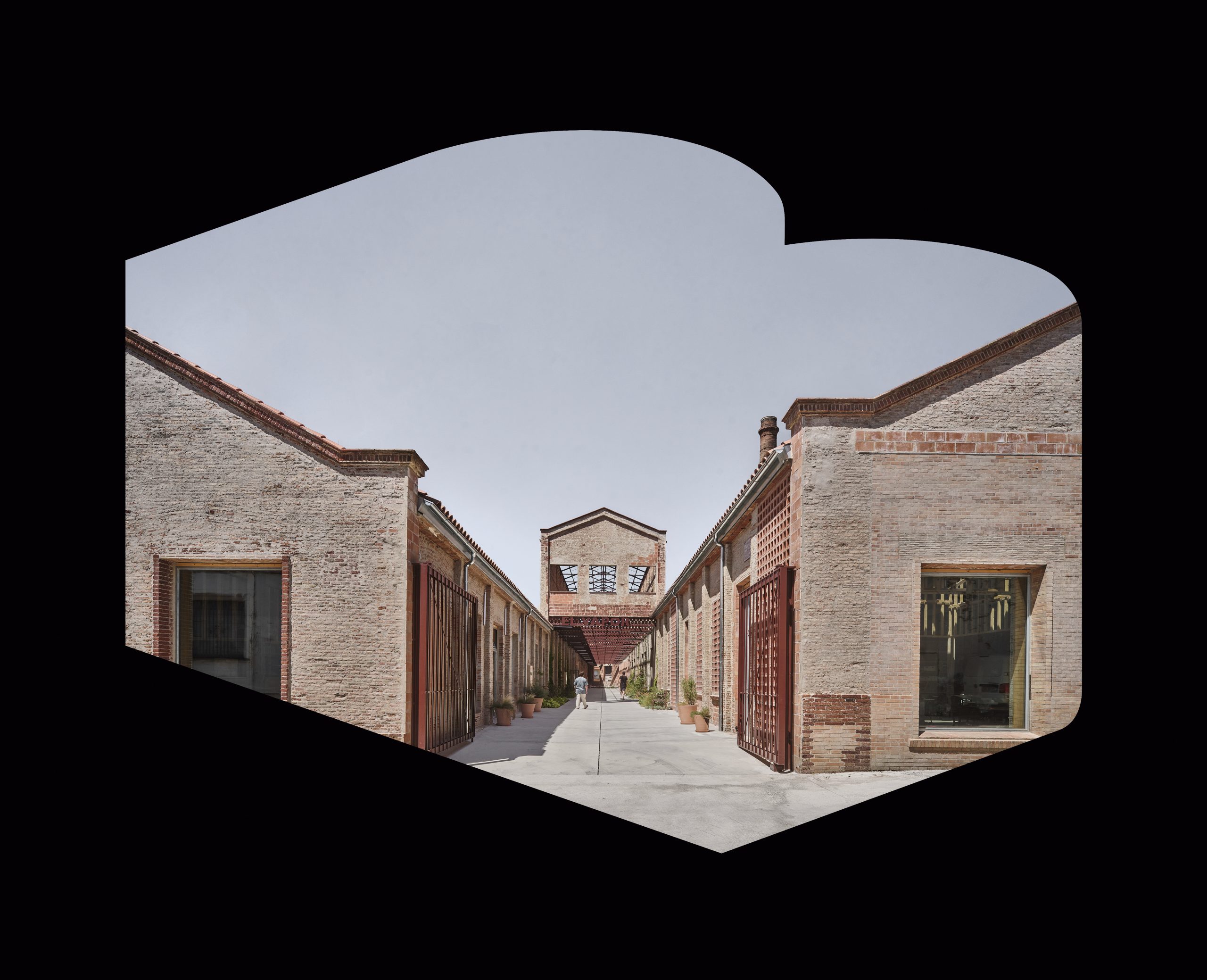
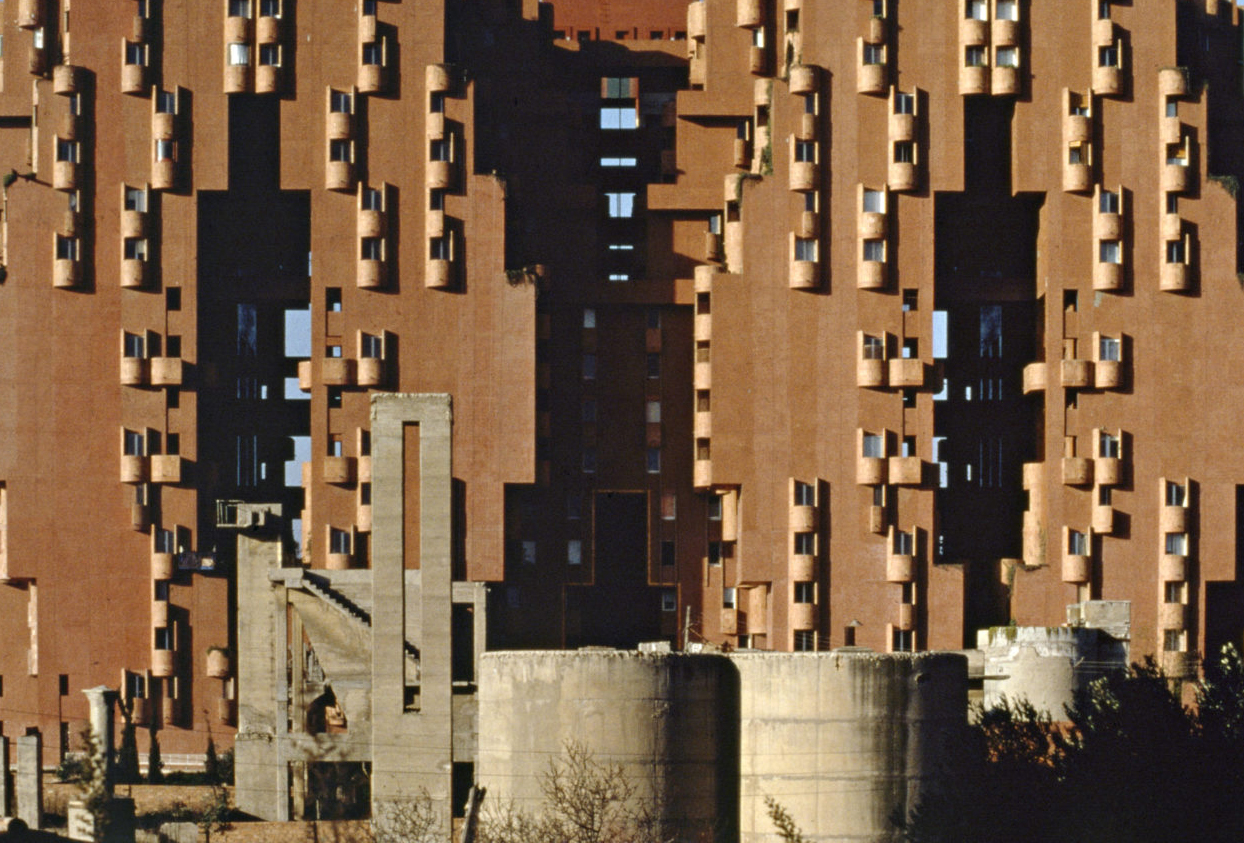
In a later generation, inheriting this industrial and cultural boom and sharing the same desire for modernisation, Esplugues and Sant Just found their most innovative interpreters in Ricardo Bofill and Xavier Corberó. Bofill, moving from the industrial to the domestic sphere, combines brutalism and modernism in a radical reinterpretation of the industrial function in La Fábrica, and manages to fuse a powerful vision of industrialised domestic manufacturing in the Walden 7 housing complex.

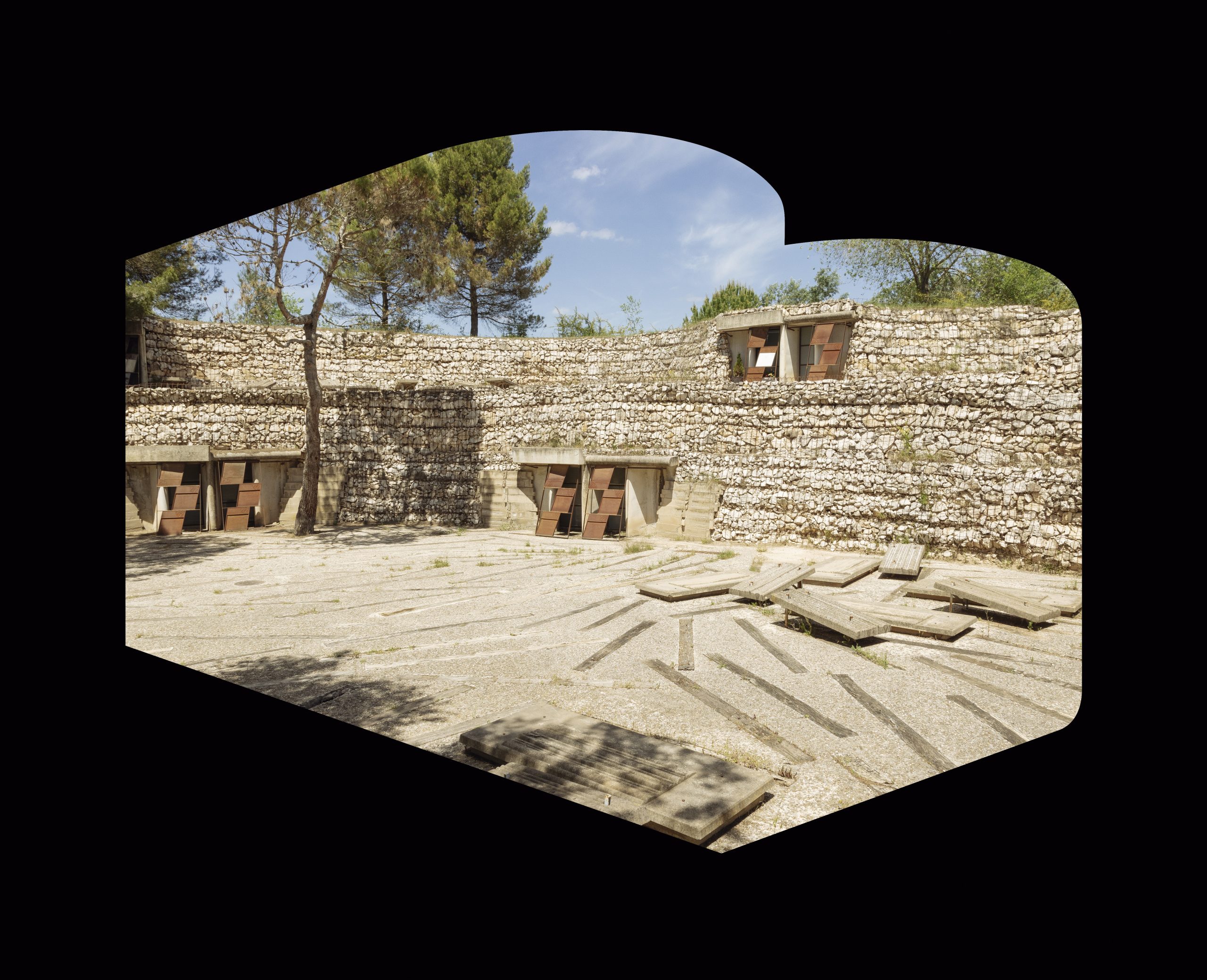
Xavier Corberó, for his part, in his house-workshop, moves from the domestic to the industrial dimension, starting from the union of many small dwellings and integrating art and functionality. He also illustrates how architecture and art can act as agents of joint change and testimonies of a new era of transformation and growth.

It is these towns, which were born as places of decompression from the big city, that grow from the past into the future and serve as harmonious mirrors of what is happening in the centre of the metropolis. They capture their fervour as a reflection of a bustling past, a kind of ‘world of ideas’ so Platonic that, from fusion, it builds its own unique identity. It is worth taking a leisurely visit to discover them step by step.

m'agrada 21
Tornar
Si no visioneu el mapa reviseu el vostre consentiment de cookies fent click aquí

Autors (22)