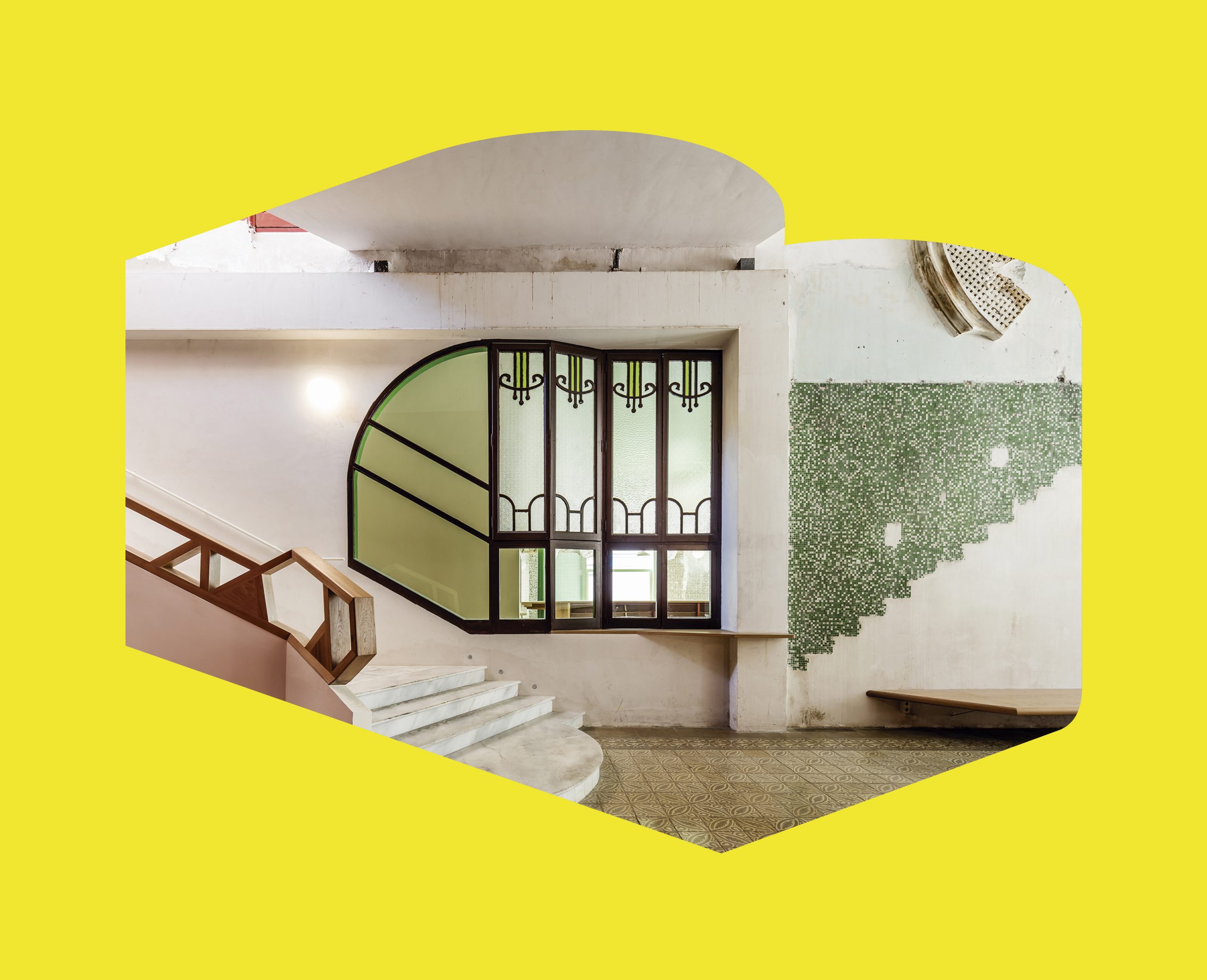
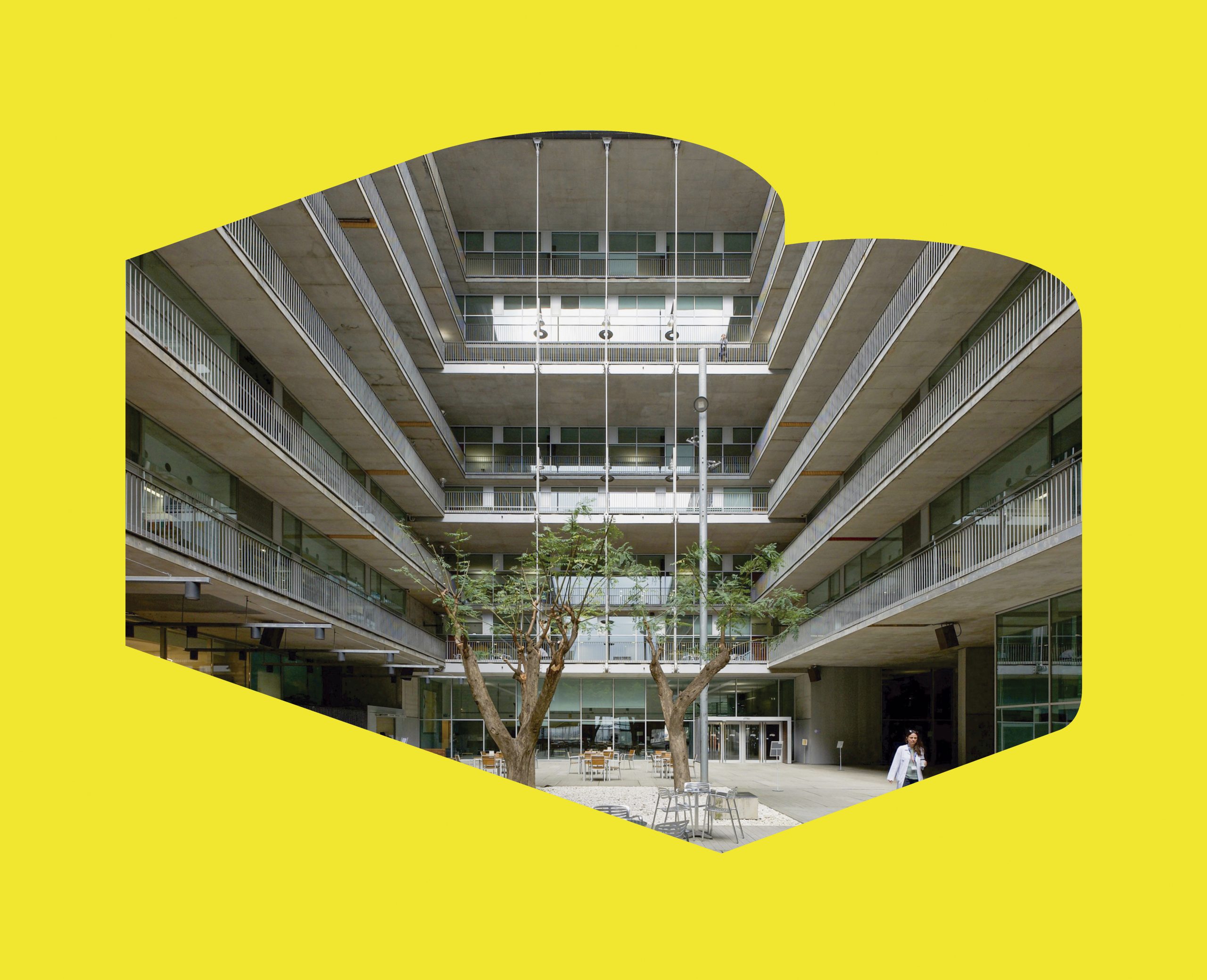
Between 24 October 2001 and 27 January 2002, the CCCB hosted one of those exhibitions that become quite an event. Óscar Tusquets Blanca, the creator and curator of the exhibition, quoted Josep Maria Sostres in the catalogue, recalling him as follows:
“… the horizontal plane, as a walkable surface, must have been a contribution of human creativity, since it is never found in nature, because we only encounter this geometry in still water, and upon water one cannot walk, except in the Holy Scriptures.”
“… humankind, freed from the stumbling necessity of walking attentively over the accidents of the terrain, began to stroll while thinking about its affairs, and thus to develop a taste for the abstract reasoning that would lead to philosophy.”
“… if building planes for horizontal movement was not an obvious act, but required a creative gesture, imagining a succession of horizontal planes at different levels in order to move within three dimensions — building staircases — was an architectural and cultural milestone of the highest order.”
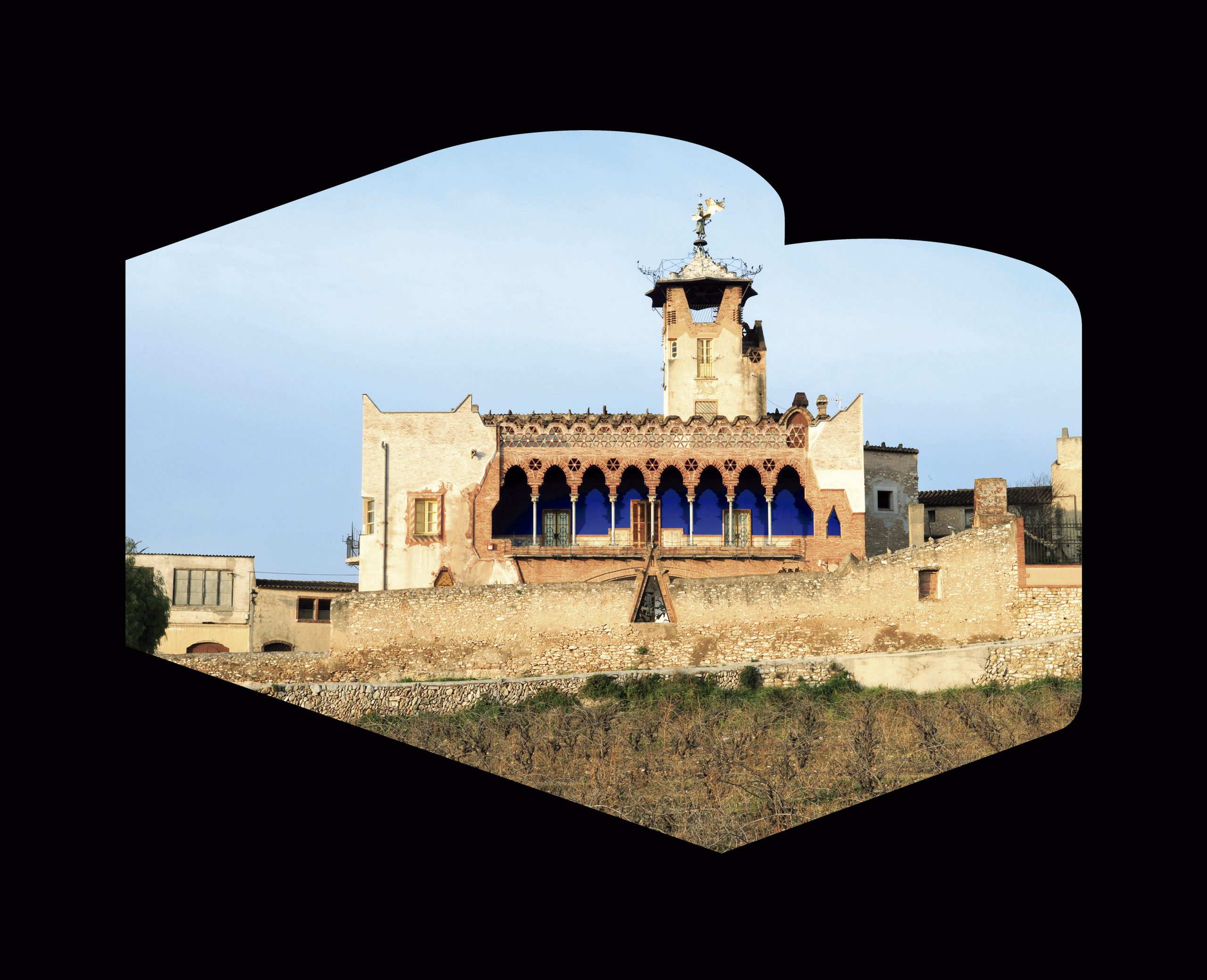
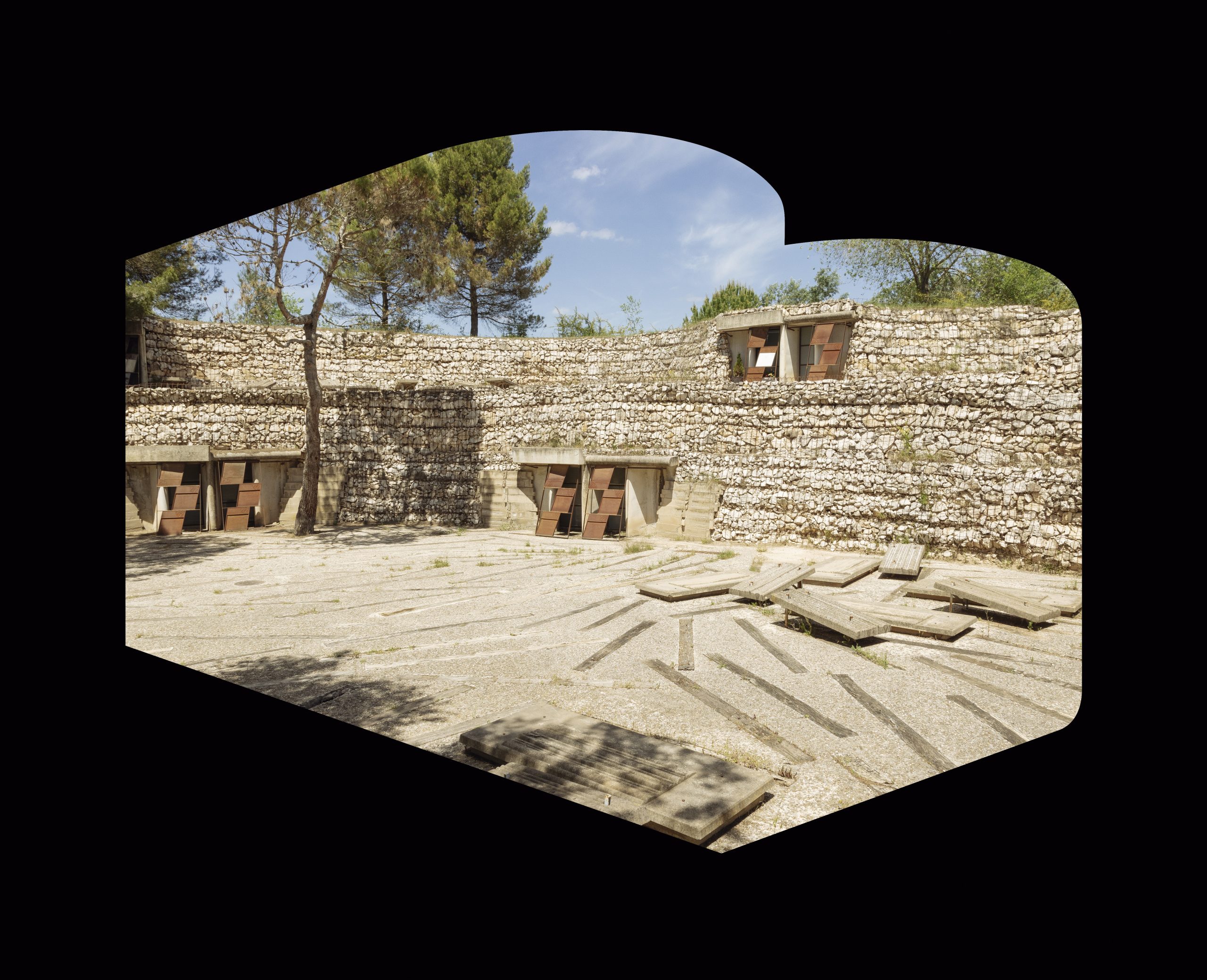
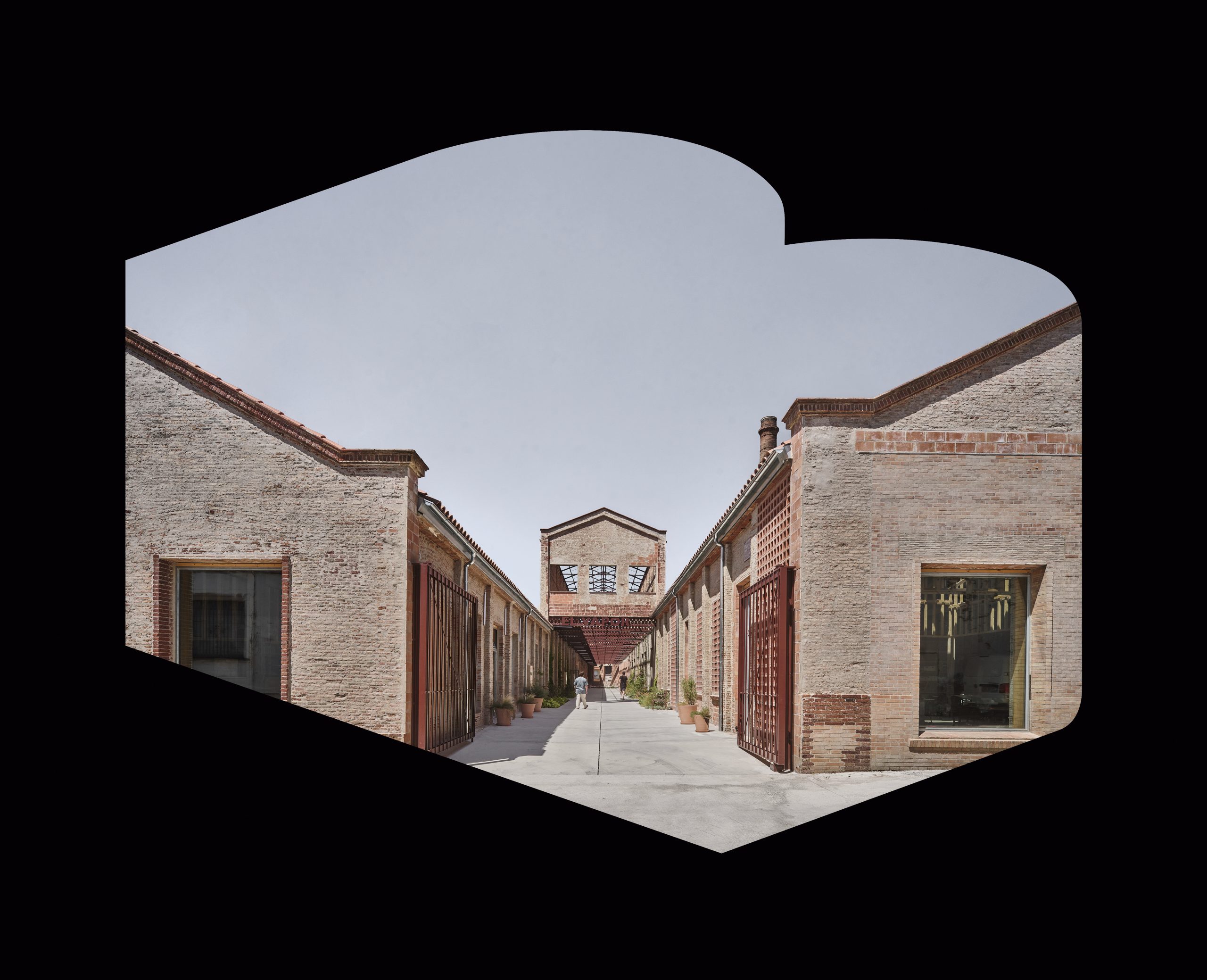
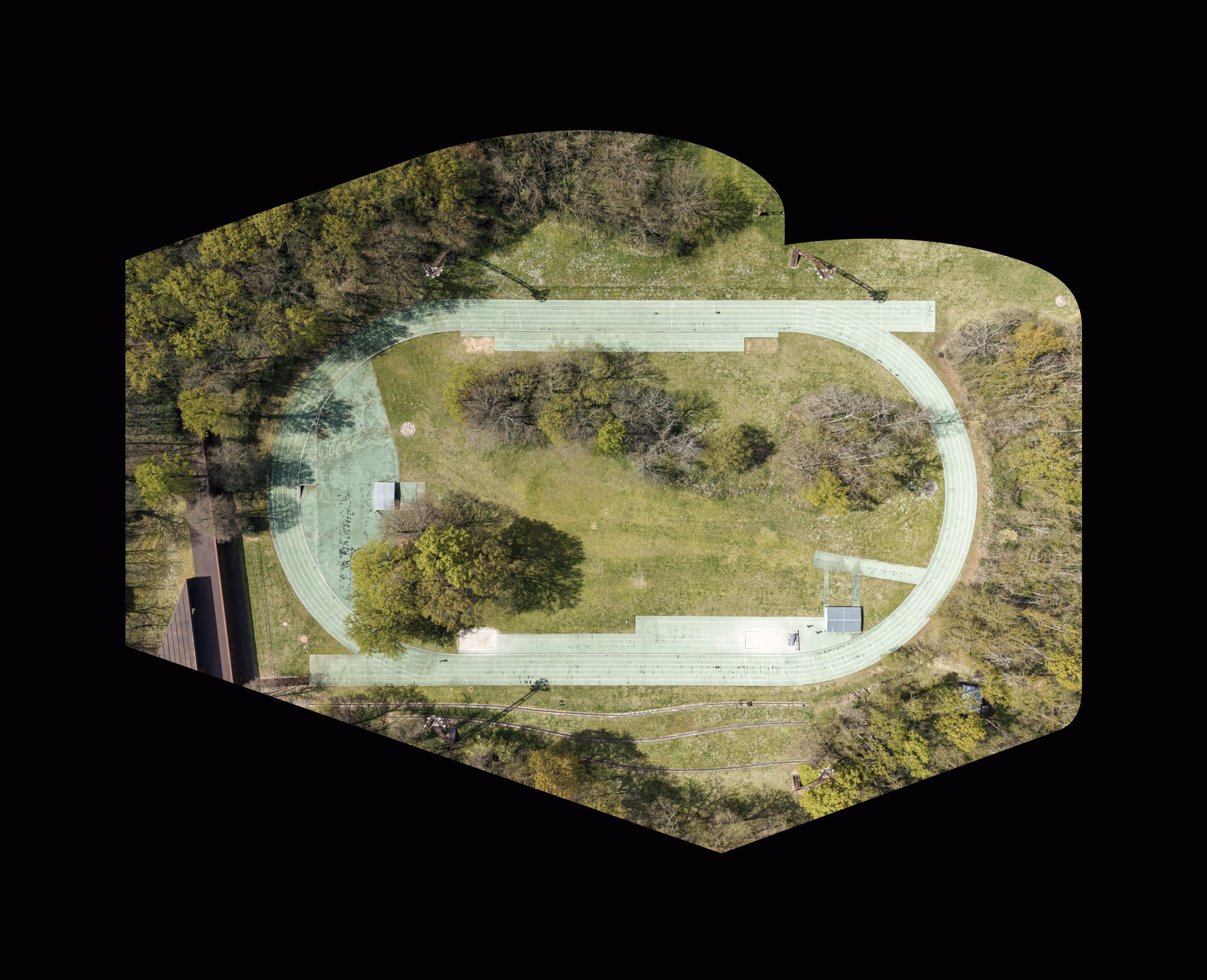
This route proposes a journey through all those examples of staircases from within Catalan territory that were shown in the exhibition, whether straight flights, emerging from a wall, parallel flights, two flights at an angle, multiple flights, imperial staircases, “samba” stairs, open staircases, with or without handrails, random, with curvilinear layouts or impossible geometries, well-proportioned or disproportionate…
That said, as the exhibition itself concluded, a large part of the staircases on the itinerary would not be accepted, for one reason or another, under the current regulations of our country. A requiem for an architectural element — already at that time — in danger of extinction, as it has evolved into a strictly functional and standardised component.
 1
1