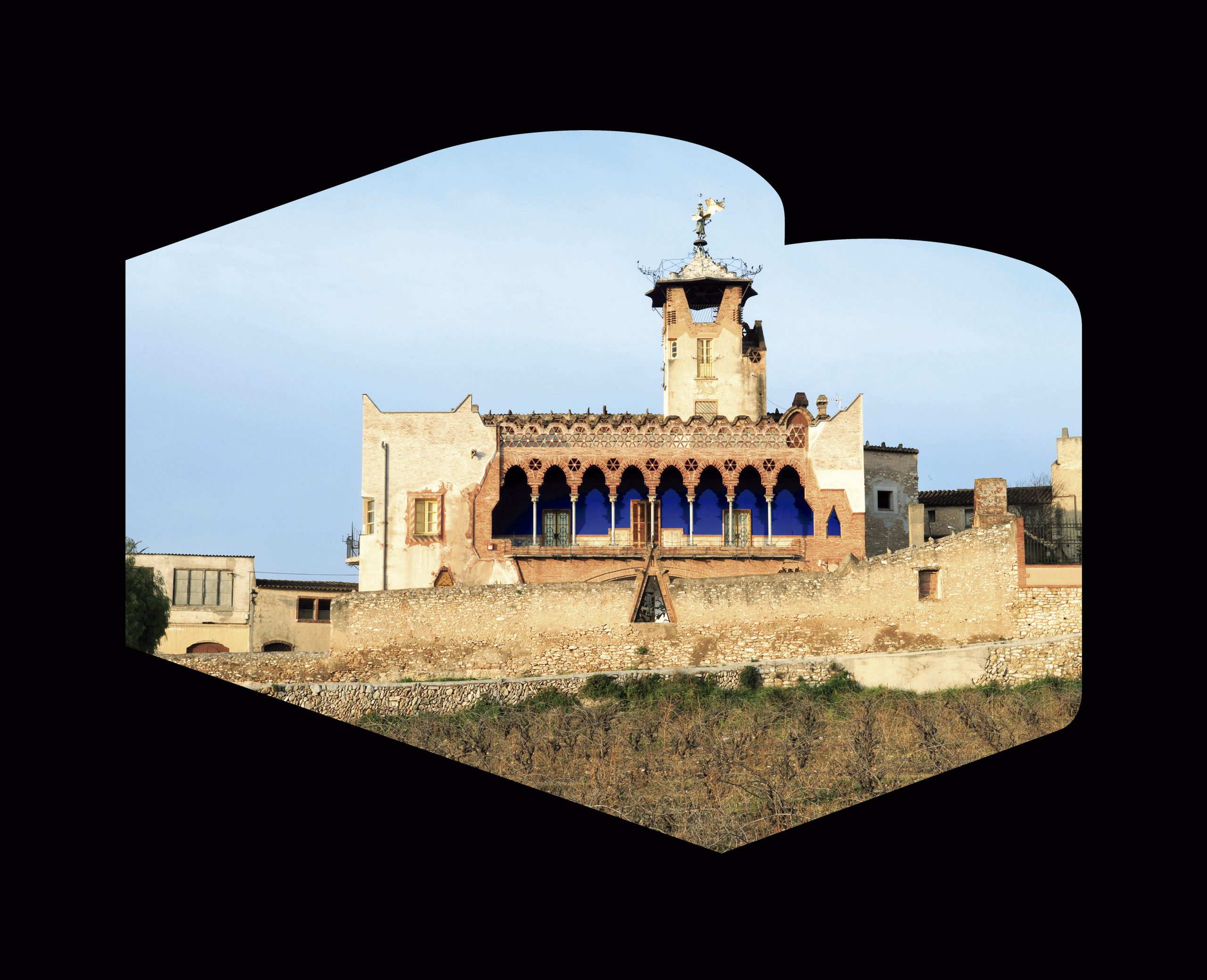
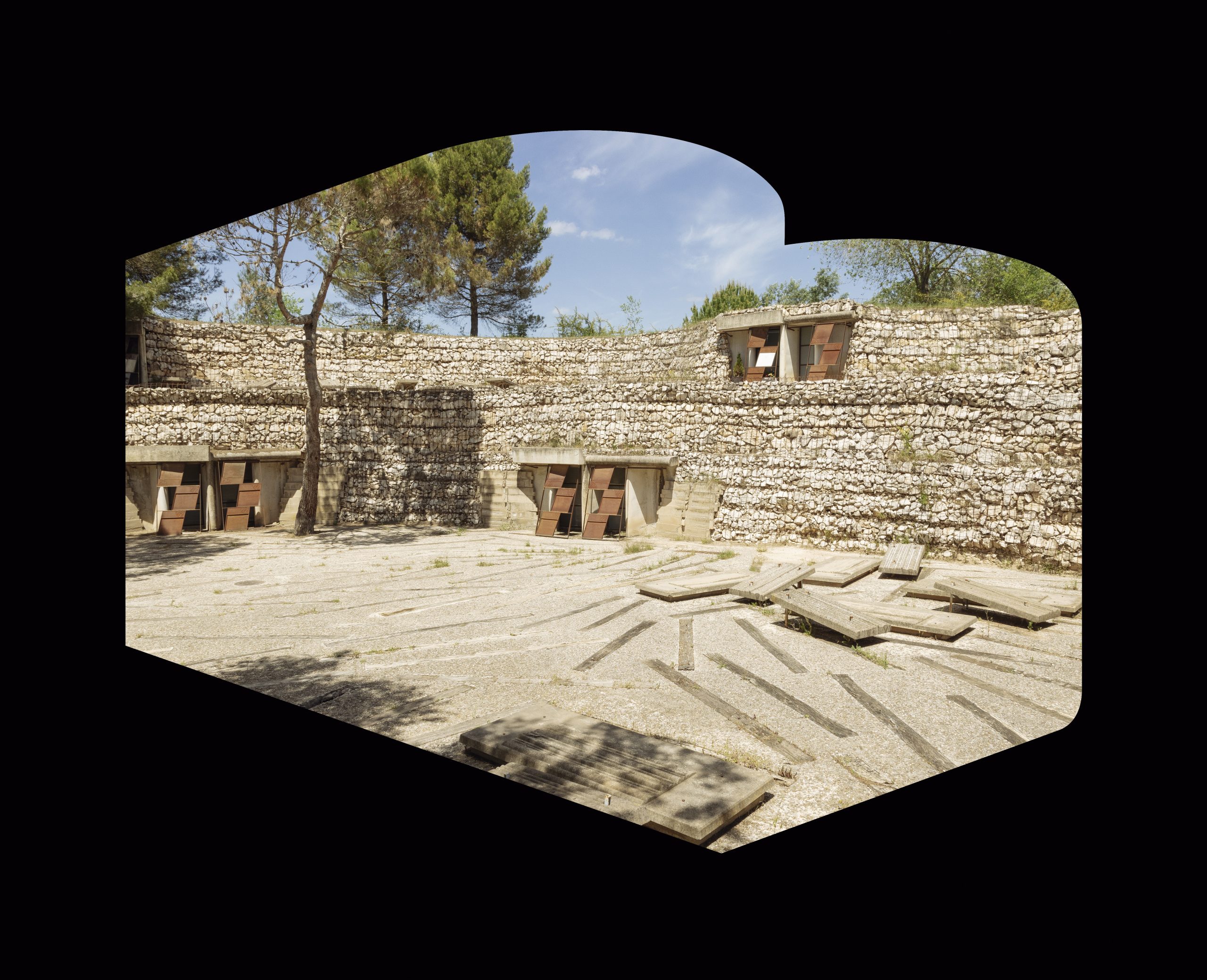
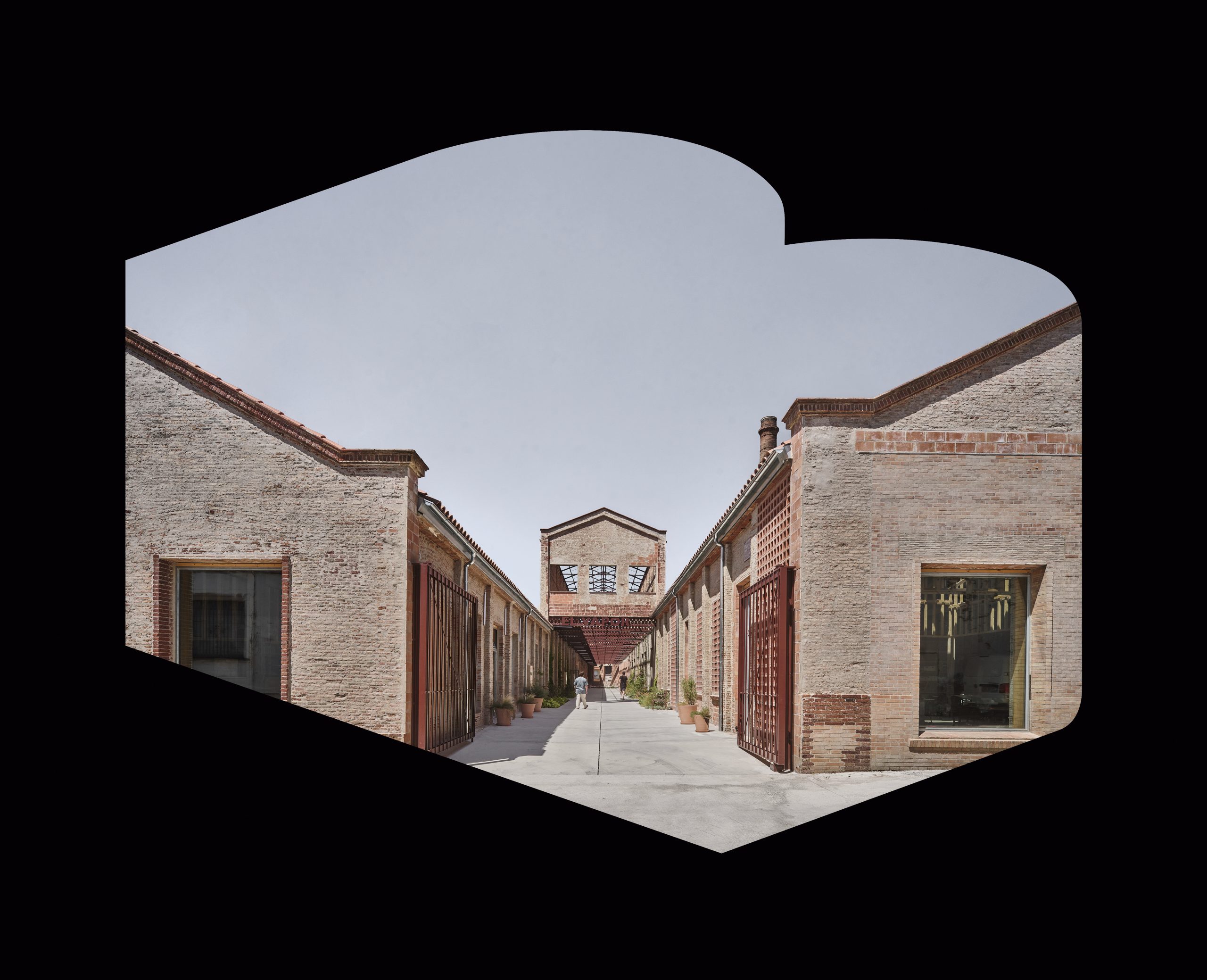
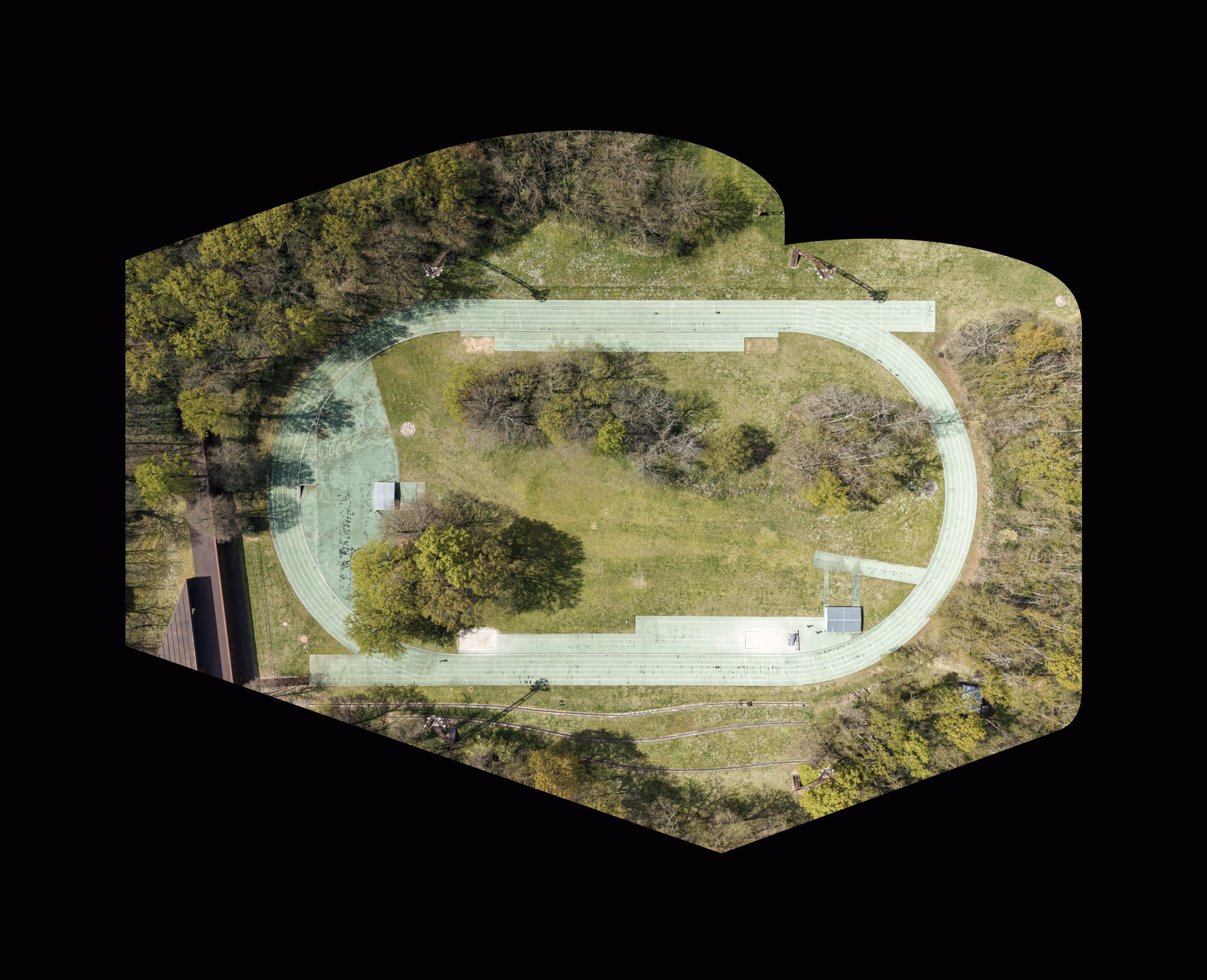
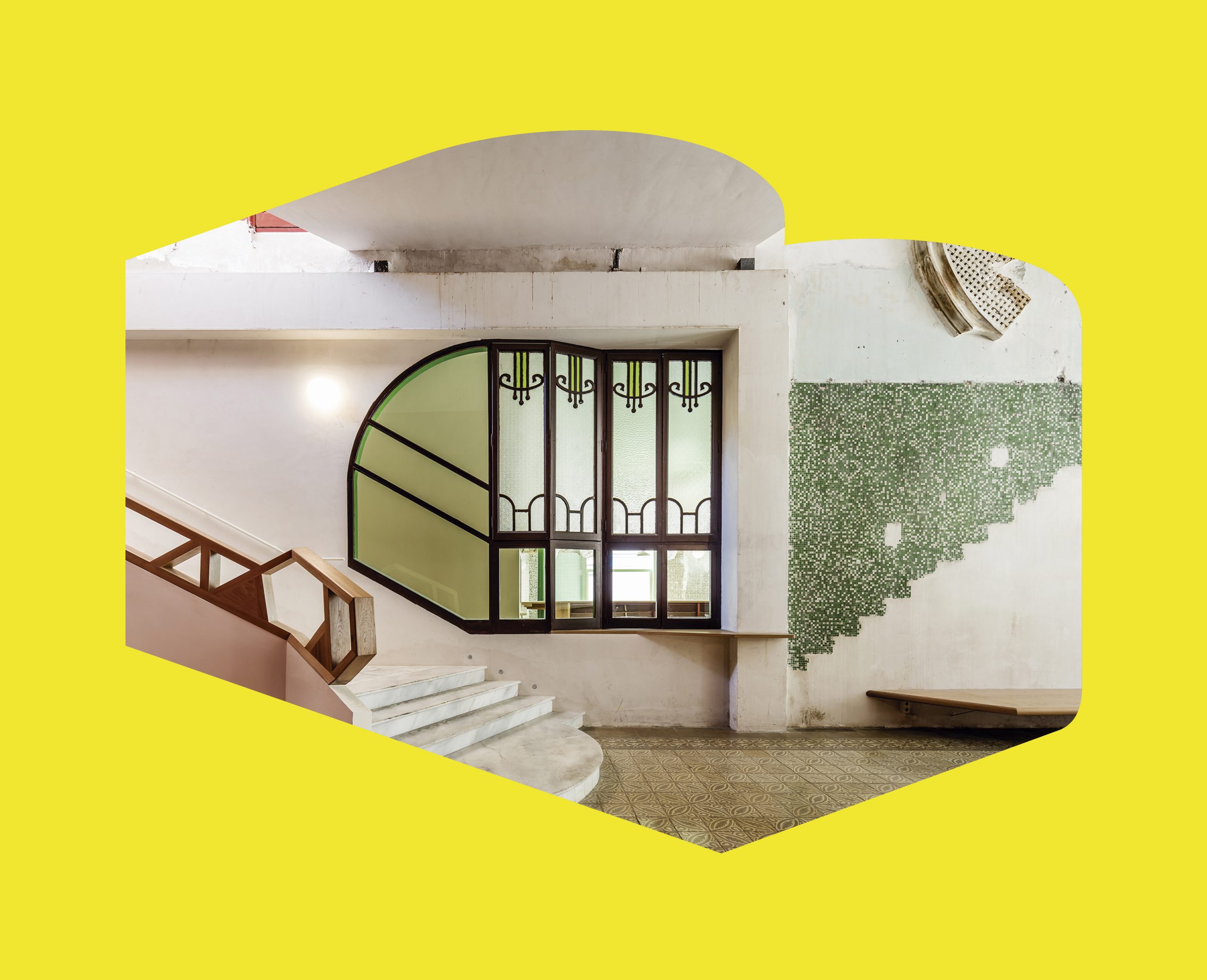
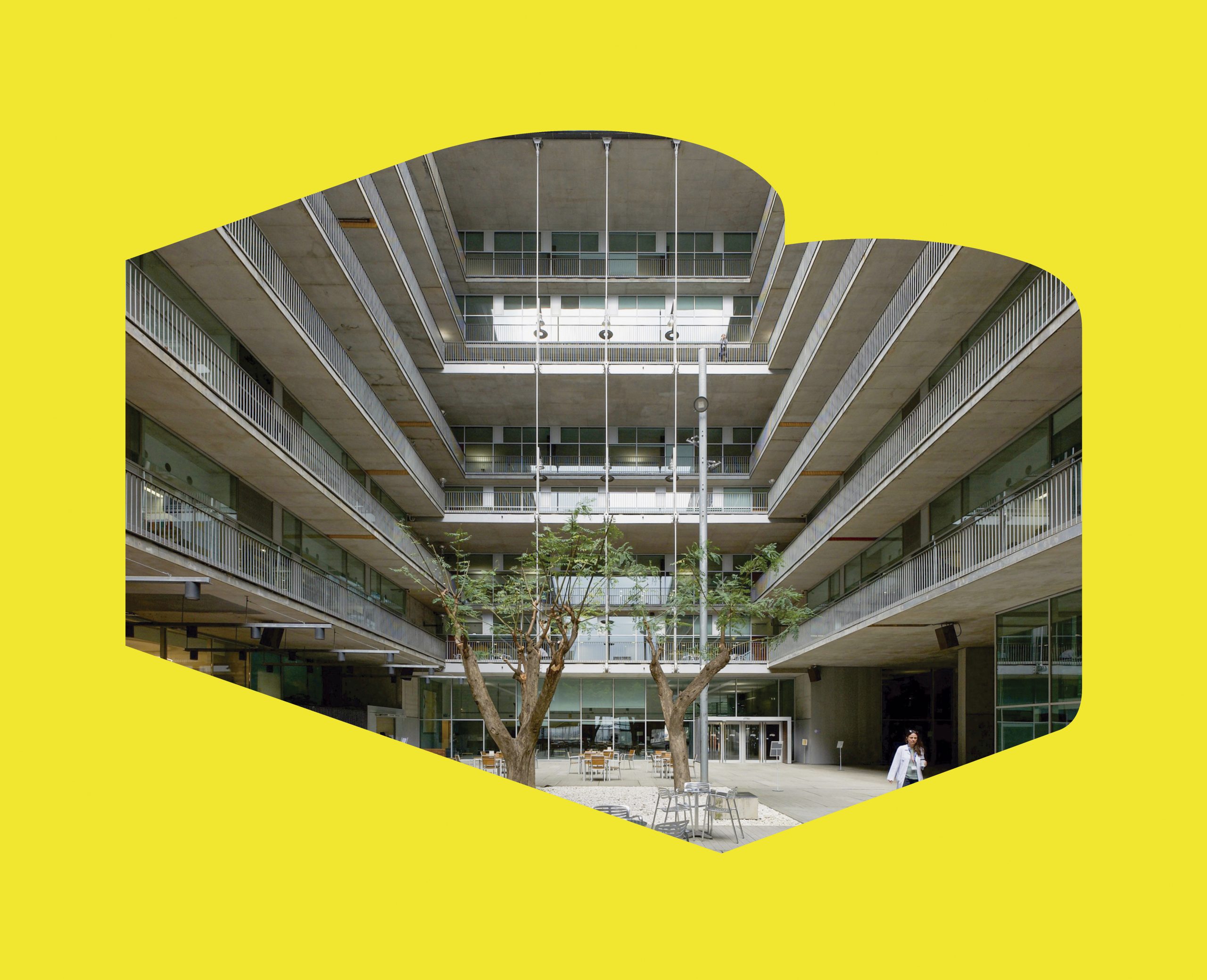
Although he carried out much of his work in Barcelona, it was in Mataró, his birthplace, where Josep Puig i Cadafalch completed his first projects. As was customary for many students from other regions who studied at the Barcelona School of Architecture, when they finished their studies, they returned to their hometowns and sometimes took on the role of municipal architects. Likewise, after completing his studies in 1891, Puig i Cadafalch began working at Mataró Town Hall a year later, where he remained until 1896.
The works built between Mataró and Argentona, the town where he spent his summers, date from this period and the years immediately following, when Puig i Cadafalch embraced the historicist modernism of his favourite teacher at the School, Lluís Domènech i Montaner. With an architectural language based on that of northern Europe, Puig i Cadafalch, given his clearly Catalanist political spirit, quickly sought to find a way to incorporate and recover forms of expression specific to the country and its culture. In fact, beyond his profession as an architect, it was his work as an art historian and archaeologist that brought him great academic prestige.
The end of this first stage coincided with a gradual increase in commissions in the city of Barcelona, which in turn gave way to a more restrained and refined style of architecture, but also one that was less fresh. This route is therefore a unique opportunity to discover the lesser-known buildings of one of the masters of Catalan architecture of the late 19th and early 20th centuries, on a short tour away from the hustle and bustle of Barcelona.